Mastering Modern Logistics: The Future of Global Shipping and Tracking
Wednesday, August 19 2026
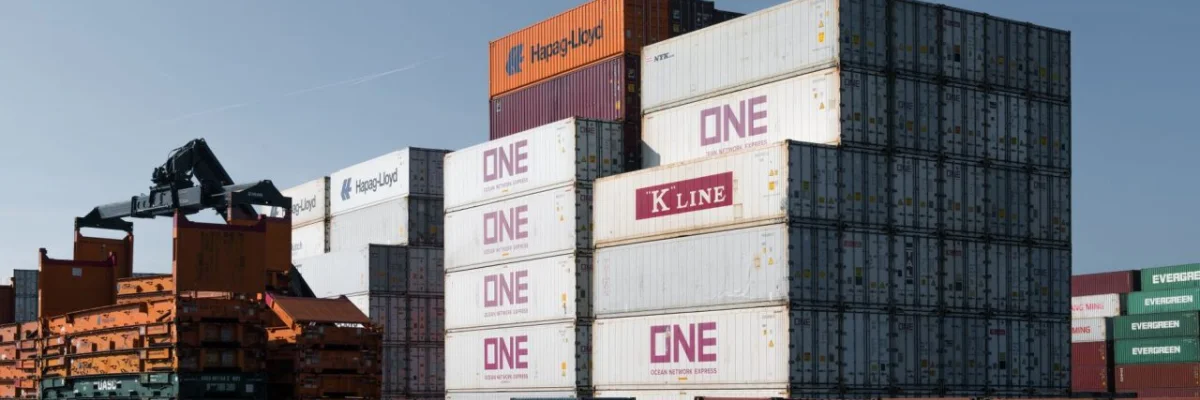
The global logistics landscape is undergoing a massive digital transformation that redefines how freight forwarders operate on a daily basis. As supply chain complexities rise, the ability to maintain precise visibility becomes the primary differentiator between successful firms and those struggling to keep pace. Freight forwarders must now leverage sophisticated cloud platforms to aggregate data from disparate sources, ensuring that every stakeholder remains informed throughout the transit process. By prioritizing technological integration and real time communication, logistics professionals can turn shipping challenges into operational strengths, ultimately delivering superior service quality while optimizing their bottom line in an increasingly interconnected global market.
The Evolution of Real Time Tracking

Real time tracking has evolved from simple milestone updates to granular visibility covering every stage of the transit cycle. This shift empowers forwarders to anticipate delays proactively, allowing them to manage client expectations with precision and professional reliability.
- Automated Status Updates: Modern software platforms provide instant notifications on shipment locations, reducing the manual burden on operational teams and minimizing human error during critical data entry tasks.
- Granular Visibility Layers: Advanced tracking solutions offer deep insights into cargo status, including port congestion metrics and inland transport delays that impact the overall scheduled delivery timeline.
- Client Portal Access: Providing customers with secure digital access to their shipment journey builds trust and transparency, significantly reducing the volume of status inquiries via email.
- Predictive Arrival Forecasting: Using sophisticated machine learning algorithms, systems now calculate accurate arrival estimates based on current weather patterns, traffic flow, and historical performance data for specific routes.
- Multi-Modal Tracking Integration: Seamlessly monitor cargo across ocean, air, and ground transport within a single interface, ensuring that handovers are managed with complete oversight and data continuity.
Adopting advanced tracking capabilities is no longer an optional luxury but a fundamental necessity for competitive freight forwarders today. By integrating these systems into your workflow, you create a robust foundation that supports rapid scaling and improved service levels. As client expectations for transparency continue to climb, your firm must be prepared to deliver accurate, instantaneous information to maintain a strong market position.
Optimizing Port Operations and Management
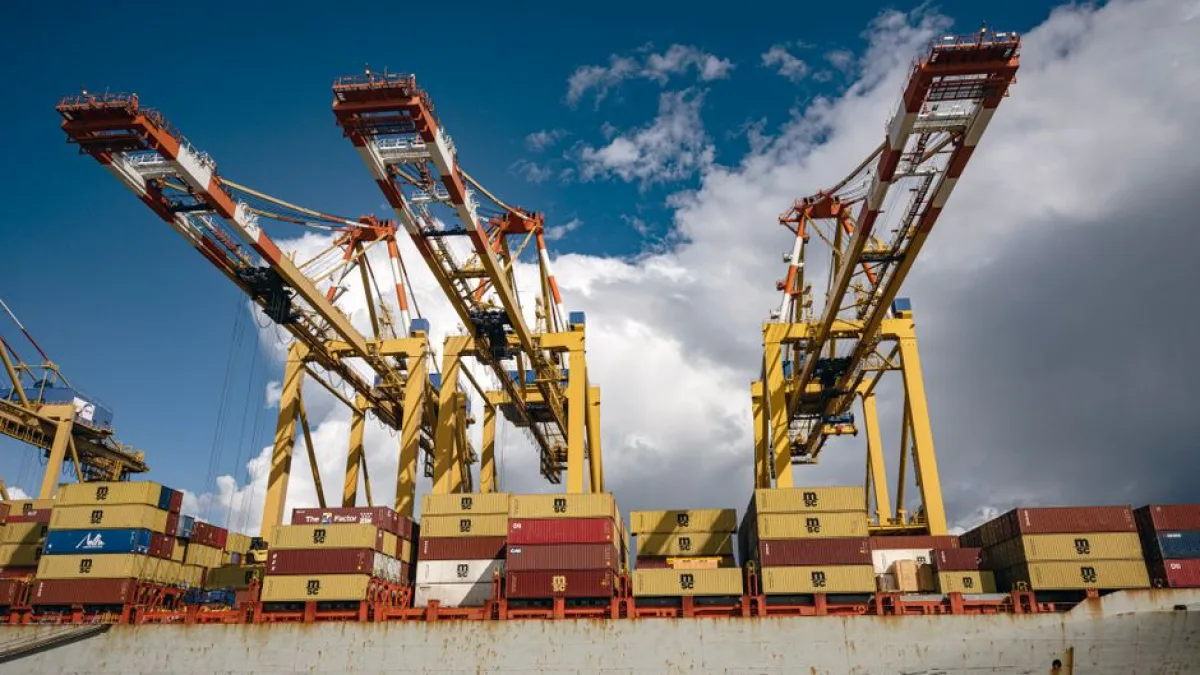
Efficient port operations rely heavily on the synchronized exchange of documentation and logistical coordination. Forwarders who utilize digital tools can navigate port congestion more effectively, ensuring that containers move through terminals with minimal friction and reduced detention costs.
- Streamlined Customs Clearance: Digitizing customs documentation speeds up the verification process, allowing for faster cargo release times while maintaining strict compliance with international trade regulations and standards.
- Drayage Coordination Efficiency: Effective management of local trucking partners is essential, and digital platforms help schedule pickups to align perfectly with vessel arrival and terminal availability.
- Detention Management Alerts: Automatic alerts notify operations teams when free time is approaching its limit, enabling proactive communication to avoid costly fees and unnecessary surcharges for clients.
- Terminal Traffic Analysis: Accessing real time data on port congestion helps forwarders select the best terminals for their shipments, significantly reducing wait times and transit delays.
- Digital Document Handling: Transitioning from paper to cloud based storage ensures that bills of lading and commercial invoices are always accessible to authorized personnel on demand.
Navigating the complexity of modern port infrastructure requires a blend of local expertise and cloud based visibility tools. When you prioritize efficient terminal management, you reduce operational bottlenecks that often plague global supply chains. By focusing on streamlining every touchpoint from the vessel to the truck, you gain the agility required to navigate sudden port disruptions while keeping your shipping costs controlled.
The Impact of Data Analytics

Data analytics transforms raw shipping information into actionable insights that drive smarter business decisions. By analyzing past performance and current market trends, freight forwarders can identify inefficiencies, optimize route selection, and improve long term profitability across all service lines.
- Route Performance Metrics: Reviewing historical transit data allows companies to identify the most reliable carriers and routes, ensuring that future shipments follow the most efficient paths possible.
- Carrier Scorecard Creation: Evaluate shipping partners based on key performance indicators like on time delivery rates and cargo safety records to ensure high quality service standards.
- Trend Forecasting Models: Analyzing seasonal demand patterns helps teams prepare for peak shipping periods, allowing for better capacity planning and smarter resource allocation during busy months.
- Cost Reduction Insights: Granular analysis of shipping expenses highlights areas where costs can be trimmed, such as identifying recurring charges or over-reliance on expensive shipping lanes.
- Operational Bottleneck Identification: Identify specific stages in the logistics process that consistently cause delays, allowing managers to implement targeted improvements that boost overall throughput and speed.
Leveraging data allows forwarders to move beyond reactive problem solving and into a proactive management strategy. When you understand the deeper patterns hidden within your shipping logs, you can make informed adjustments that yield significant results. This data centric approach fosters a culture of continuous improvement, helping your company remain resilient against market fluctuations and capable of seizing new growth opportunities.
Building Strong Client Partnerships

Transparency and reliable communication are the cornerstones of lasting client relationships. By leveraging cloud based platforms, forwarders provide a professional experience that reassures customers, fosters brand loyalty, and sets the stage for recurring business in a crowded marketplace.
- Proactive Problem Resolution: When you detect issues before the client does, you demonstrate competence and control, which builds significant trust and strengthens your professional reputation over time.
- Customized Reporting Tools: Generate personalized performance reports for your key accounts, showing them exactly how your services add value and contribute to their overall supply chain.
- Seamless Communication Channels: Centralized messaging features within your logistics platform ensure that all project discussions are archived, clear, and accessible to the relevant project team members.
- Personalized Logistics Consulting: Use your data insights to advise clients on better shipping strategies, transforming your role from a simple service provider to a trusted partner.
- Responsive Account Management: Rapid access to information allows your support team to answer client questions instantly, ensuring that you maintain the highest standards of customer satisfaction.
Exceptional client service is defined by the quality of your communication and the reliability of your data. When clients feel confident that their shipments are being managed by experts with superior tools, they are far more likely to return for future business. Consistently delivering this level of clarity transforms your firm into a vital extension of your customers own business operations.
Conclusion

Modernizing your approach to shipping and tracking is essential for success in today's complex logistics environment. By embracing cloud-based software, leveraging actionable data, and prioritizing client transparency, your freight forwarding business can overcome common industry challenges and scale effectively. Stay ahead of the competition by continuously refining your digital strategy and investing in tools that empower your team to deliver excellence every day.