Mastering Modern Logistics: The Future of Global Shipping and Tracking
Wednesday, September 9 2026
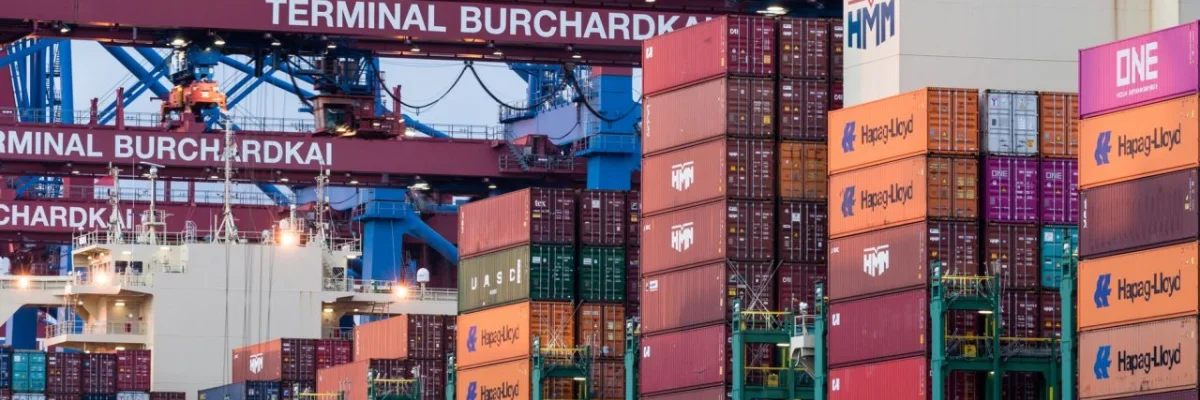
The global logistics landscape is evolving at a rapid pace, demanding that freight forwarders adopt smarter technologies to maintain a competitive edge. As supply chain complexities increase, the need for transparent, real-time data becomes paramount for operational success. Traditional manual tracking methods often fall short in an environment where clients expect instantaneous updates and proactive problem-solving. By integrating cloud-based platforms, forwarders can now transform how they manage shipments, moving from reactive firefighting to predictive management. This article explores how digital transformation in shipping and tracking empowers logistics professionals to optimize their workflows, improve client satisfaction, and drive significant business growth.
Optimizing Real Time Visibility
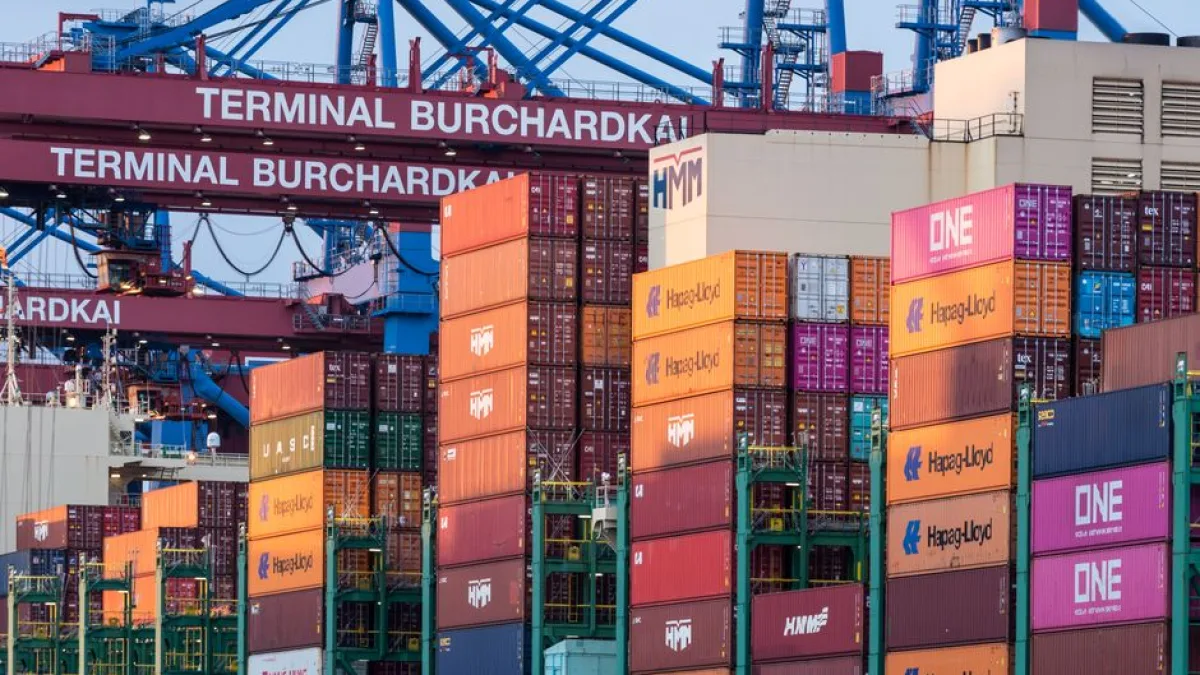
Real-time visibility serves as the backbone of modern freight forwarding, allowing companies to monitor shipments across diverse global networks. By capturing accurate data points, professionals can anticipate delays and provide precise ETAs, turning potential customer frustrations into opportunities for trust-building service.
- Live GPS Tracking: Utilizing satellite integration allows you to pinpoint the exact location of your cargo across ocean and road networks to ensure complete transparency for every client stakeholder.
- Automated Status Alerts: Proactive notifications keep your customers informed about shipment milestones without requiring manual intervention, significantly reducing the volume of incoming status inquiry emails for your operations team.
- Predictive Delay Analytics: Advanced algorithms process weather patterns and port congestion data to forecast potential bottlenecks, enabling your team to suggest alternative routing options before problems escalate further.
- Client Portal Access: Offering a self-service tracking interface empowers your customers to retrieve documentation and shipping statuses whenever they need, which improves retention and lowers your administrative overhead.
- Centralized Data Streams: Consolidating fragmented carrier feeds into a single unified dashboard eliminates the need for toggling between multiple portals, ensuring your team maintains a consistent view of operations.
Adopting a centralized approach to visibility transforms how your agency interacts with partners and clients alike. By replacing disjointed spreadsheets with dynamic cloud solutions, you create a scalable infrastructure capable of handling higher volumes without compromising quality. This level of clarity not only improves internal efficiency but also strengthens your market position as a forwarder who prioritizes technological innovation and transparency in all shipments.
Leveraging Automated Documentation

Automated documentation eliminates the tedious manual entry processes that often lead to costly shipping errors and compliance hurdles. By digitizing paperwork, forwarders can accelerate customs clearance and ensure that all vital documents are accessible within the cloud for instant audit readiness.
- Optical Character Recognition: Automated scanning technology extracts critical information from shipping labels and bills of lading, drastically reducing human error while speeding up the data entry process for teams.
- Smart Document Storage: Cloud-based folders keep your bills of lading, packing lists, and commercial invoices organized in a searchable database, ensuring compliance and easy retrieval during customs inspections.
- Digital Signature Integration: Secure electronic signature workflows allow for the rapid approval of legal documents, removing the need for physical printing or scanning while maintaining essential legal validity.
- Compliance Error Checks: Automated validation tools flag missing fields or regulatory inconsistencies in real time, preventing shipments from being held at borders due to simple clerical oversights.
- Workflow Automation Triggers: Establishing automated document routing ensures that necessary files reach the correct stakeholders instantly, shortening the turnaround time for critical international trade and customs processes.
Digital documentation is no longer just a luxury but a fundamental requirement for staying competitive in the modern global economy. Moving away from paper-based systems allows your freight forwarding agency to minimize operational delays while boosting team morale by removing repetitive tasks. Embracing these automated workflows ensures that your business remains agile, compliant, and ready to meet the demanding requirements of international trade.
Building Resilient Supply Chains

Resilience in logistics requires the ability to adapt quickly to unexpected disruptions through informed decision-making. By leveraging historical tracking data and current market insights, forwarders can build robust shipping strategies that withstand global market fluctuations and unforeseen geopolitical challenges during transit.
- Historical Performance Review: Analyzing past shipping data helps you identify recurring carrier delays, allowing you to select more reliable partners and optimize your supply chain network for performance.
- Multi-Modal Flexibility: Advanced software tools suggest alternative transit modes like rail or air when ocean freight lanes encounter congestion, providing your clients with essential contingency plans for cargo.
- Supplier Relationship Management: Integrating supplier communications directly into your tracking platform fosters closer collaboration and faster information sharing, which is vital during periods of intense international market volatility.
- Risk Mitigation Modeling: Simulations based on shipping data allow you to stress-test your supply chain, helping you develop proactive strategies for handling emergencies like port closures or strikes.
- Inventory Management Insights: Deep integration with client inventory systems gives you visibility into demand fluctuations, allowing you to synchronize logistics capacity with real-time stock levels effectively and efficiently.
Building a resilient supply chain requires a proactive mindset paired with the right technological tools to support your vision. When you anticipate challenges rather than reacting to them, you offer your clients peace of mind and greater supply chain stability. This strategic advantage differentiates your brand in a crowded market, proving that you are a partner capable of navigating any logistical challenge.
Enhancing Customer Communication

Communication serves as the heartbeat of freight forwarding, directly impacting client satisfaction and long-term brand loyalty. Modern software platforms facilitate seamless interaction by keeping stakeholders informed at every stage of the journey, ensuring that expectations are managed through clear and consistent messaging systems.
- Unified Messaging Hubs: Centralizing emails and chat logs within your shipping platform ensures that no critical conversation is lost, providing a transparent history for every active customer account.
- Personalized Client Dashboards: Customizing the tracking interface to show only relevant metrics for specific clients creates a professional experience that reinforces the value of your logistical services.
- Instant Feedback Loops: Integrating customer satisfaction surveys directly into the delivery process provides actionable insights, helping you refine your service quality based on genuine user experiences and needs.
- Proactive Problem Resolution: Automated notifications about shipment exceptions allow you to reach out to clients with solutions in hand, demonstrating your dedication and reliability even when issues arise.
- Coordinated Team Collaboration: Internal messaging tools enable your logistics team to discuss shipments internally, ensuring that every representative has the full context before speaking with any client.
Excellent communication creates a seamless bridge between your services and the evolving needs of your global customers. By utilizing sophisticated communication tools, you ensure that every client feels valued and well-informed throughout the entire logistics lifecycle. This focus on engagement builds deep trust, turning one-time customers into lifelong partners and helping your freight forwarding business thrive in an increasingly connected world.
Conclusion
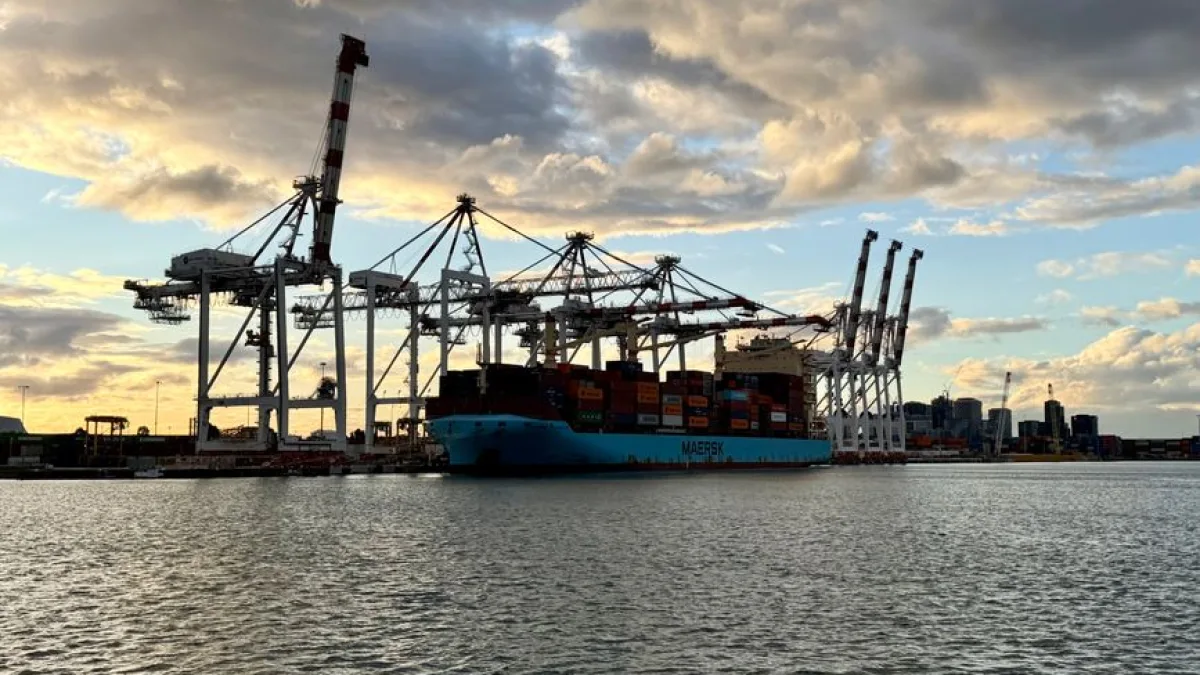
Mastering modern shipping and tracking is essential for forwarders who aim to excel in a high-speed digital market. By prioritizing real-time visibility, automated documentation, resilient strategies, and clear communication, your agency can overcome common operational barriers. Embracing these advanced cloud technologies will drive efficiency and empower your team to provide exceptional service. Start your digital transformation today to secure your future in the logistics industry.