Mastering Modern Logistics Tracking for Freight Forwarders
Tuesday, September 29 2026
In the fast-paced world of international trade, the ability to provide real-time visibility is no longer a luxury but a fundamental necessity for freight forwarders. Clients demand instant updates regarding their cargo status as goods transit through complex supply chains spanning multiple continents. By integrating advanced digital solutions, forwarders can transform reactive tracking into a proactive customer service advantage. This article explores how modern technology bridges the gap between carriers and shippers, ensuring that every stakeholder remains informed, confident, and prepared for potential disruptions, ultimately fostering long-term professional partnerships built on the pillars of transparency and consistent operational excellence.
The Shift Toward Real-Time Visibility

Modern platforms utilize advanced satellite integration to monitor vessels in motion, providing stakeholders with unparalleled clarity throughout the entire transit process. This technological leap replaces outdated manual data entry methods with automated streams of accurate, live location data.
- Automated Vessel Tracking: Integration with AIS data sources allows freight forwarders to monitor vessel positions in real-time, effectively reducing the need for manual status updates from carrier portals.
- Data Accuracy Improvement: Automated feeds eliminate the human error typically associated with manual tracking inputs, ensuring that your clients always receive reliable information regarding their sensitive shipments.
- Proactive Issue Resolution: Early identification of vessel delays enables teams to notify customers immediately, allowing them to adjust downstream inventory plans before a minor issue becomes significant.
- Enhanced Client Trust: Sharing live tracking links fosters deeper trust with cargo owners, as they feel empowered by having direct access to their freight information at all times.
Digital visibility tools allow forwarders to move beyond simple status updates by providing deep analytical insights into shipping performance. By utilizing these platforms, businesses can successfully manage exceptions and communicate effectively with their clients. Forwarders who prioritize these technologies often see improved retention rates, as customers value the ability to monitor their cargo journey with precision from origin point to final destination.
Streamlining Documentation and Communication

Efficient tracking requires seamless integration between physical movement data and the digital documentation that accompanies every shipment. When tracking and paperwork align, administrative bottlenecks vanish, leaving room for better focus on high-value logistics operations and client support activities.
- Unified Digital Portals: Centralizing shipping documents alongside tracking updates prevents information silos, allowing your staff to manage entire shipments from a single interface without switching between platforms.
- Seamless Document Sharing: Providing secure access to bills of lading and commercial invoices within the tracking environment speeds up customs clearance and reduces communication latency issues.
- Automated Notification Systems: Setting up trigger-based alerts ensures that your team and clients receive timely updates regarding milestone completions without requiring constant manual oversight or persistent effort.
- Reducing Email Backlogs: By allowing clients to self-serve through a tracking dashboard, freight forwarders significantly decrease the volume of routine status inquiry emails arriving daily.
Centralized documentation platforms empower teams to handle complex shipments with ease while maintaining full compliance. Reducing manual administrative tasks allows your staff to focus on strategic growth rather than repetitive document management. As processes become more automated, the entire organization benefits from increased efficiency and reduced errors, leading to smoother handoffs between carriers, customs agents, and the final delivery service providers.
Predictive Analytics in Global Shipping

Predictive analytics leverage historical shipment data to forecast potential transit times and identify risks before they manifest into actual delays. This forward-looking approach enables forwarders to optimize shipping routes and provide clients with accurate estimated arrival timelines consistently.
- Route Optimization Analysis: Examining past performance data helps identify which shipping lanes are prone to congestion, allowing forwarders to suggest alternative routes that offer better reliability.
- Risk Mitigation Strategy: Predicting weather patterns or port strikes enables proactive rerouting of cargo, which protects clients from significant supply chain interruptions and unnecessary cost increases.
- Historical Trend Reporting: Analyzing multi-year shipping data allows you to provide clients with valuable quarterly reports that highlight cost-saving opportunities and efficiency improvements for trade.
- Accurate Arrival Predictions: Advanced algorithms calculate expected arrival times by factoring in historical port throughput speeds, providing customers with highly precise windows for their delivery planning.
Adopting a predictive mindset shifts your business model from a service provider to a strategic partner. Your clients will benefit from the foresight you provide, which saves them time and reduces their overall logistical expenses. As you harness the power of data, you gain a competitive edge that is difficult for traditional forwarders to replicate, establishing your firm as a modern industry leader.
Building Resilient Supply Chains Together
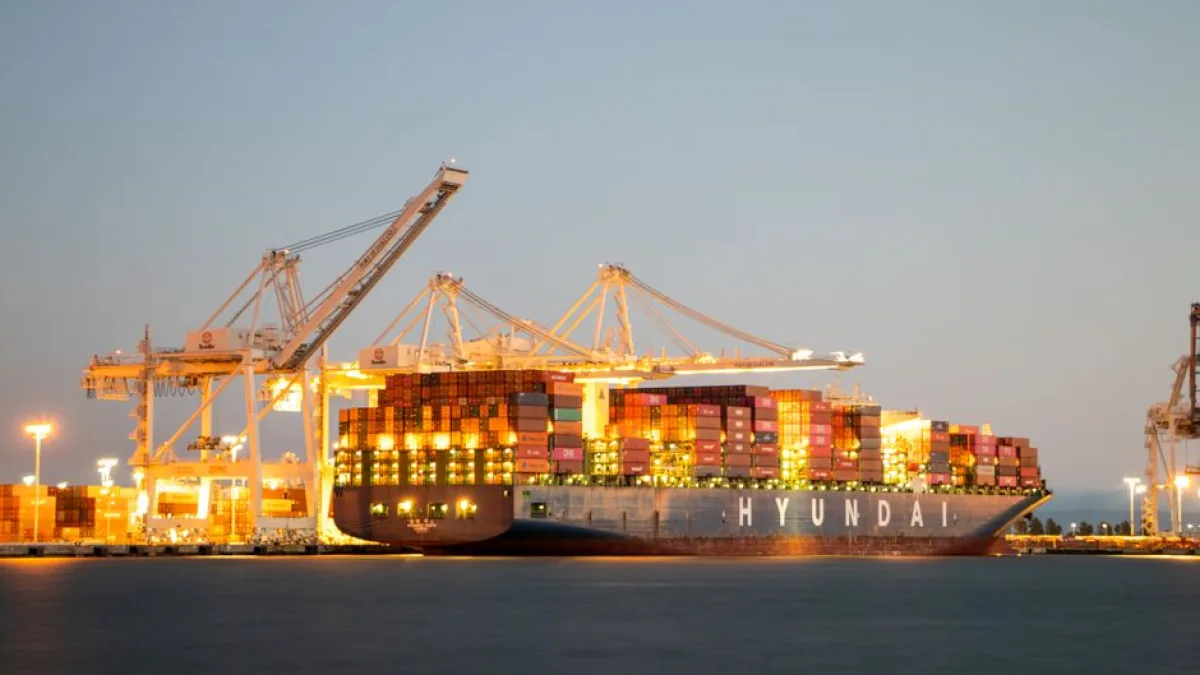
Resilience is built through strong collaboration between the forwarder, the carrier, and the end customer. By leveraging transparent tracking software, all parties share a unified view of reality, which is essential for surviving volatile market conditions and unexpected global events.
- Collaborative Platform Access: Allowing clients to invite their own partners to view specific shipment tracking creates a collaborative environment that promotes clarity across the entire supply chain.
- Transparent Exception Management: Maintaining clear communication when problems arise shows transparency, which builds long-term loyalty and demonstrates your firm's professional integrity during difficult shipment circumstances.
- Resource Allocation Efficiency: Better visibility into when shipments arrive allows for optimized warehouse scheduling, ensuring that labor resources are utilized effectively and operating costs remain under control.
- Competitive Market Positioning: Modern tracking tools make your firm more attractive to shippers who prioritize digital capability and reliable, data-driven supply chain management services globally today.
When you offer transparent tracking, you transform the shipping experience into a positive competitive differentiator. Your clients gain peace of mind knowing that their freight is in capable hands, supported by state-of-the-art technology. Focus on building these digital bridges to ensure your business remains relevant and profitable in an increasingly connected world, where information flow is just as vital as cargo flow.
Conclusion

The integration of advanced tracking software is essential for freight forwarders striving to maintain a competitive advantage in global logistics. By prioritizing visibility, predictive data, and streamlined digital documentation, professionals can deliver exceptional value to their customers. Embrace these modern technological tools today to enhance operational efficiency, foster stronger client relationships, and ensure your logistics firm thrives within the rapidly evolving landscape of international trade.