Mastering Modern Ocean Freight Operations
Sunday, October 25 2026

The landscape of global ocean freight is undergoing a radical digital transformation as forwarders face unprecedented volatility and rising customer expectations. Operating in this environment requires more than just traditional shipping expertise; it demands a strategic shift toward data-driven decision-making and seamless connectivity across the entire supply chain. As margins tighten and delays become commonplace, freight professionals must leverage cloud-based platforms to enhance visibility and streamline complex documentation processes. By embracing technology, your business can effectively navigate current logistical hurdles while setting a foundation for long-term growth and resilience in an increasingly competitive international shipping market.
Optimizing Container Loading Efficiency
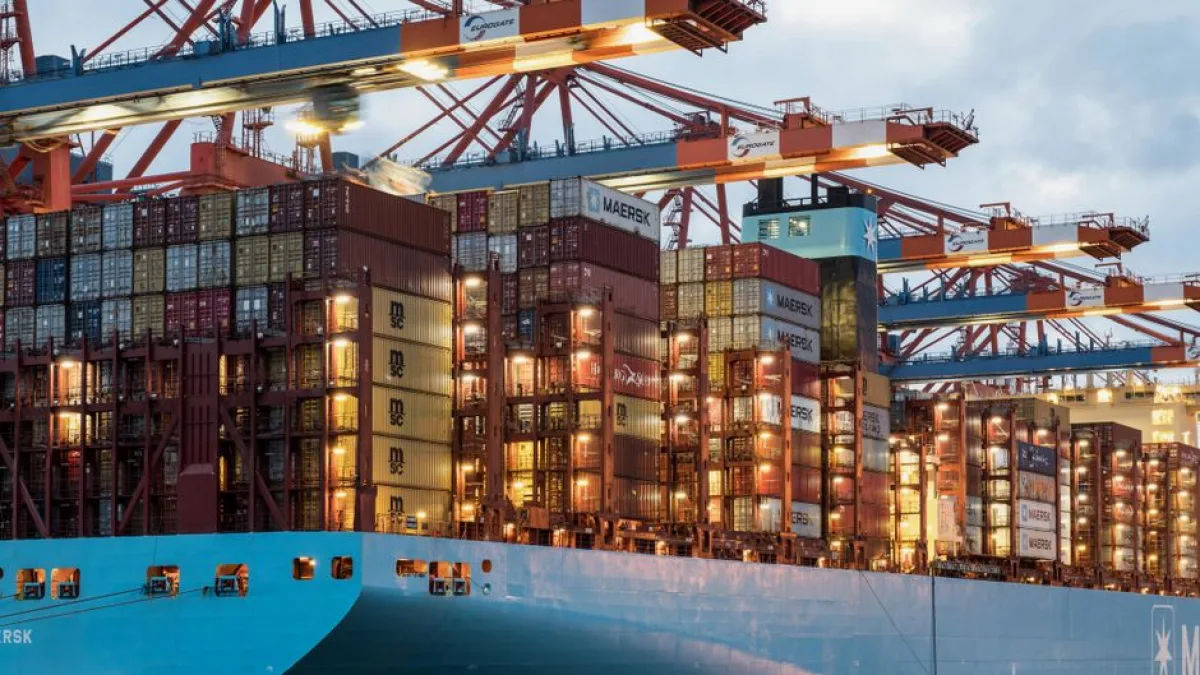
Maximizing the capacity of every container is essential for maintaining profitability in today's shipping climate. By utilizing advanced software to plan loads, freight forwarders can significantly reduce empty space and lower overall costs for their shipping clients during transit.
- Automated Load Planning: Digital tools enable forwarders to calculate optimal stowage patterns before cargo reaches the terminal, ensuring that every container is utilized to its maximum physical capacity safely.
- Weight Distribution Checks: Precise software calculations prevent overloading or improper weight distribution, which is a leading cause of transit delays and safety inspections at major global seaports.
- Pallet Optimization Logic: Advanced algorithms suggest the best configuration for pallet arrangements, helping teams minimize dead space and reduce the total number of containers required per shipment.
- Real-time Capacity Tracking: Cloud platforms provide immediate updates on container availability and booking status, allowing teams to react quickly to shifting vessel schedules or sudden cargo volume changes.
Efficient loading is the backbone of successful ocean freight management and client satisfaction. By moving away from manual spreadsheets and adopting automated planning solutions, your team can avoid costly errors and optimize workflows. This transition leads to higher load factors, reduced shipping expenses, and improved reliability for your customers. Modern software truly turns the complex task of container optimization into a streamlined operational advantage.
Streamlining Documentation and Customs

The burden of manual paperwork often slows down global trade operations significantly. Implementing digital platforms allows freight forwarders to manage bills of lading, customs declarations, and commercial invoices in a centralized, secure cloud environment accessible to all stakeholders.
- Digital Documentation Hub: Centralizing all shipping paperwork within a single platform eliminates the risk of lost files and accelerates the approval process across various international regulatory bodies.
- Automated Data Entry: Intelligent software extracts critical information from incoming invoices, reducing human error while drastically increasing the speed at which documentation is prepared for customs clearance.
- Compliance Tracking Tools: Built-in notification systems alert your staff to changing international trade regulations, ensuring that all shipments remain compliant and avoid unnecessary fines or unexpected customs holds.
- Secure Cloud Storage: Encrypted digital archiving protects sensitive customer data and provides an easy audit trail for all shipping activities, which simplifies the process for compliance reporting.
Efficient documentation is the gateway to faster transit times and reduced administrative overhead for your logistics business. By automating these repetitive yet vital tasks, you empower your team to focus on high-value client relationship management. Transitioning to digital processes not only minimizes the risk of human error but also creates a scalable workflow that supports your company as it handles increasing shipping volumes.
Enhancing Real-Time Cargo Visibility

Knowing the exact location of cargo provides immense value to shipping clients who require accurate delivery estimates. Modern tracking systems offer comprehensive transparency by integrating data from various carriers to provide a single, unified view of all shipments.
- Carrier Data Integration: Unified platforms pull information from multiple shipping lines to present a single source of truth, removing the need to visit various carrier websites daily.
- Automated Status Alerts: Proactive notifications inform your logistics team and customers immediately about vessel delays or port congestion, allowing for faster problem-solving and better expectation management strategies.
- Interactive Shipment Maps: Visualizing the entire journey of a container helps forwarders identify potential bottleneck areas before they escalate into major disruptions for your end shipping clients.
- Client Portal Access: Providing your customers with direct access to shipment updates improves trust and reduces the number of inbound inquiries your support team must handle daily.
Transparency is the most requested feature from modern cargo owners who face constant supply chain unpredictability. By providing accurate, real-time data, you position your freight forwarding business as a trusted partner rather than just another service provider. Enhanced visibility creates a competitive edge that builds loyalty and ensures your clients feel confident in your ability to manage their most valuable ocean freight shipments.
Building Sustainable Shipping Strategies
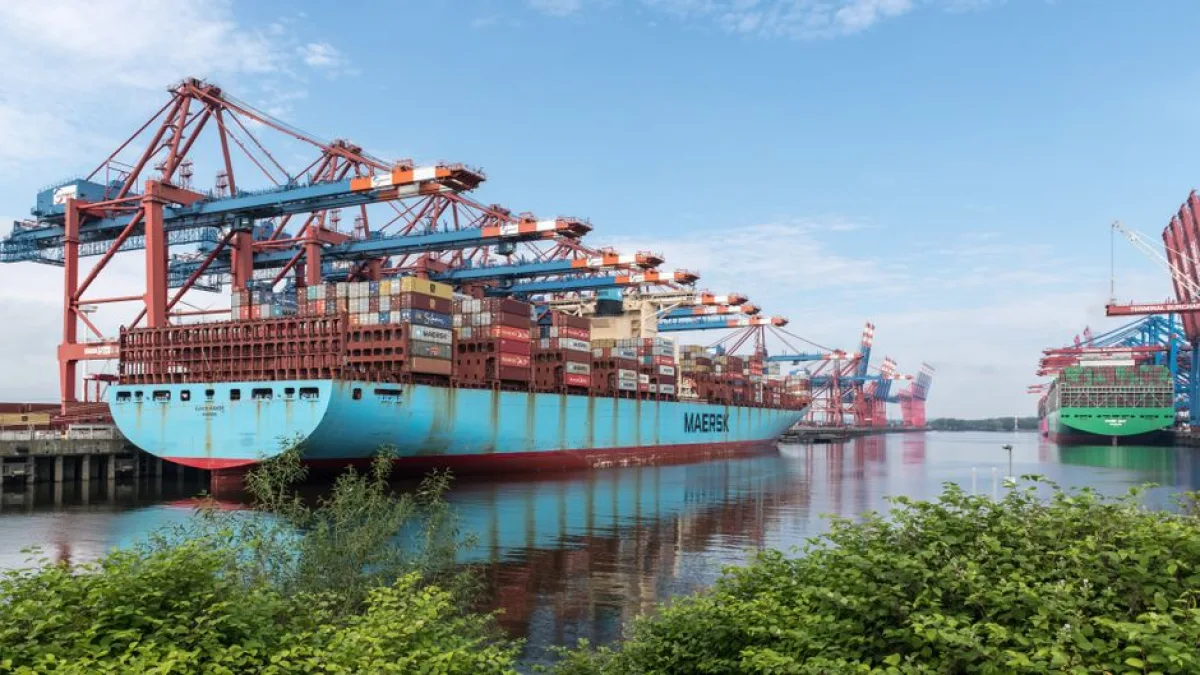
Sustainability is becoming a core requirement for major shipping partners and cargo owners worldwide. Freight forwarders must now integrate green initiatives into their standard ocean freight offerings to meet new international environmental regulations and client goals.
- Carbon Emission Tracking: Software solutions now provide detailed reporting on carbon footprints for every shipment, helping customers understand and offset their environmental impact on a global scale.
- Route Efficiency Analysis: Finding the most fuel-efficient transit paths reduces the overall carbon intensity of your logistics operations while often identifying faster shipping alternatives for your clients.
- Consolidation Service Models: Creating shared shipping solutions for smaller cargo volumes significantly lowers the total carbon output per unit, providing a greener option for many clients.
- Green Carrier Partnerships: Digital platforms make it easier to identify and prioritize shipping lines that invest in sustainable technologies, such as biofuels or modern vessel propulsion systems.
Adopting sustainable practices is no longer an optional strategy for freight forwarders who want to remain relevant. By offering transparent emission data and efficient routing, you help your clients meet their own environmental targets effectively. This proactive approach not only benefits the planet but also strengthens your brand reputation, attracting forward-thinking partners who prioritize ecological responsibility alongside high-quality, reliable ocean freight shipping services.
Conclusion
Transforming your ocean freight operations requires a commitment to digital integration and continuous process improvement. By optimizing loading, digitizing documentation, enhancing visibility, and prioritizing sustainability, your business will thrive in a complex global market. Utilize cloud-based platforms to stay ahead of the curve and provide superior value to your clients. Start your journey toward operational excellence by digitizing your freight management systems today.