Mastering Modern Shipping and Real-Time Tracking for Freight Success
Thursday, August 6 2026
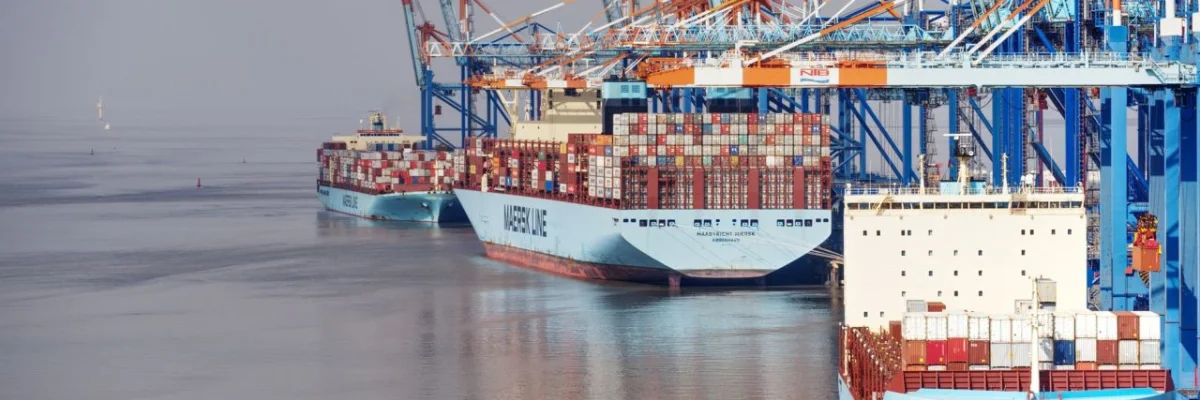
In the fast-paced world of global logistics, freight forwarders face increasing pressure to provide absolute transparency. Clients no longer accept simple port-to-port estimates; they demand granular visibility into every stage of the supply chain journey. As digital transformation reshapes the industry, leveraging cloud-based platforms becomes essential for maintaining a competitive edge. By integrating advanced tracking technologies, forwarders can proactively manage exceptions, reduce communication bottlenecks, and foster deeper trust with their partners. This article explores how modern digital tools empower professionals to master their shipping operations, ensuring that goods move efficiently while maintaining clear lines of communication across all global transportation networks.
The Power of End-to-End Visibility

Modern visibility platforms provide comprehensive oversight of cargo movements from initial pickup to final delivery. By centralizing data from multiple carriers, forwarders gain a unified view that eliminates information silos, allowing for faster decision-making and improved accuracy throughout the entire shipping lifecycle.
- Real-time status updates: Automated alerts provide instant notifications regarding shipment milestones, helping your team resolve potential delays before they impact your clients and overall supply chain operational efficiency.
- Centralized data management: Consolidating shipment documentation into a single cloud platform ensures that every stakeholder accesses accurate information, reducing administrative errors and improving overall team collaboration speed.
- Proactive exception handling: Detecting potential disruptions early allows you to implement contingency plans immediately, ensuring that cargo flow remains consistent even when unexpected weather or port issues arise.
- Enhanced client communication: Providing customers with direct access to tracking portals builds significant trust and reduces the volume of repetitive status requests sent to your support team.
- Data-driven performance analytics: Reviewing historical shipping patterns helps identify recurring bottlenecks, enabling you to optimize carrier selection and improve long-term profitability across your various global trade lanes.
Achieving total visibility transforms your business model from reactive firefighting into strategic planning. When your team spends less time hunting for shipment statuses, they dedicate more energy to high-value tasks like negotiation and business development. Embracing this level of transparency positions your freight forwarding agency as a trusted partner capable of handling complex logistics challenges with precision, reliability, and consistent technological innovation for your clients.
Optimizing Ocean Freight Tracking
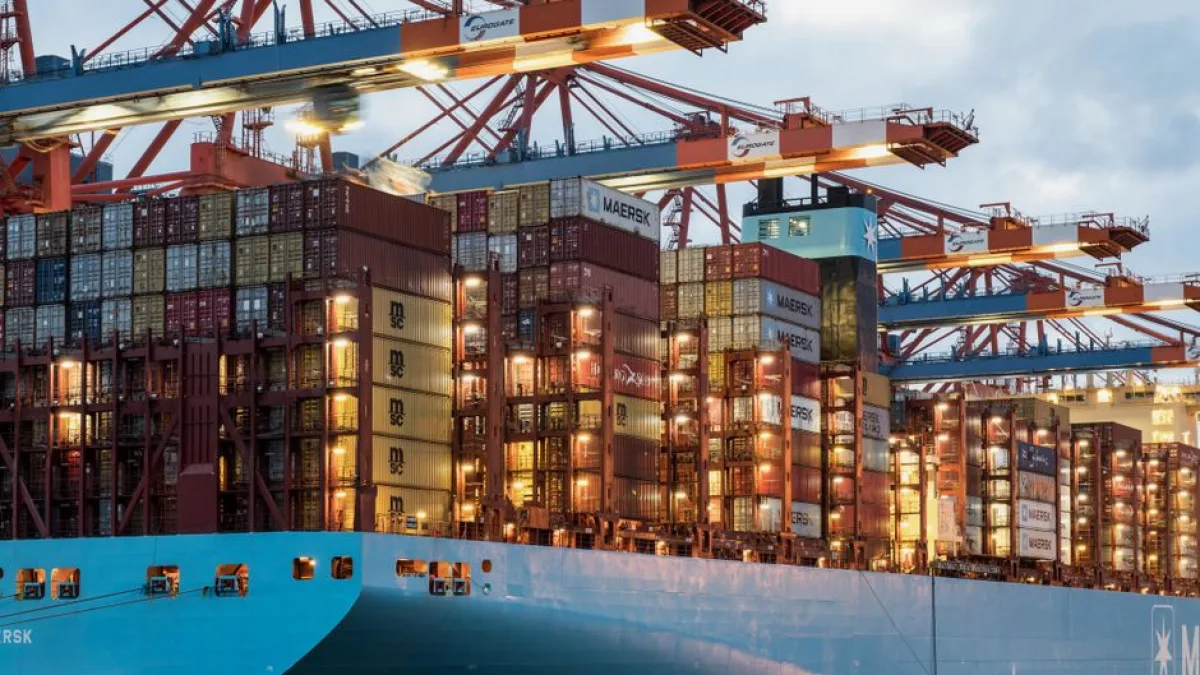
Ocean freight remains the backbone of global trade, yet it is notoriously prone to unforeseen delays. Advanced tracking integration allows forwarders to monitor vessel schedules and port congestion, providing the critical insights needed to manage client expectations during long maritime transits.
- Vessel schedule monitoring: Continuous tracking of vessel departures and arrivals enables your logistics team to forecast delivery dates accurately, minimizing the impact of schedule adjustments or deviations.
- Port congestion awareness: Identifying high levels of congestion at major hubs allows you to suggest alternative routing options to your clients, effectively bypassing significant shipping delays.
- Accurate milestone reporting: Providing precise information regarding container gating and vessel discharge keeps all stakeholders informed during the critical transition points of international ocean freight movements.
- Carrier performance tracking: Analyzing data across different shipping lines helps you identify which providers offer the most reliable service, guiding future booking decisions and price negotiations.
- Automated arrival alerts: Setting up customized triggers for vessel arrivals ensures that your team prepares customs paperwork well in advance, preventing costly demurrage and detention charges.
Mastering ocean freight tracking requires a proactive approach to data management and carrier communication. By utilizing automated systems to monitor maritime operations, you significantly reduce the uncertainty often associated with global shipping. This level of oversight ensures your logistics network remains agile, enabling you to navigate complex international routes while maintaining excellent service standards that keep your shipping partners happy and loyal.
Streamlining Air Cargo Operations

Air freight represents speed and precision, necessitating rapid information flow to match physical movement. Effective tracking systems ensure that high-value or time-sensitive shipments are accounted for at every touchpoint, reducing handling risks and optimizing the overall rapid distribution process.
- Instant shipment tracking: Real-time visibility into flight departures and arrivals allows you to manage urgent consignments with maximum confidence, ensuring that critical supply chain deadlines are met.
- Documentation digitalization: Linking digital copies of air waybills and manifests directly to tracking entries prevents lost paperwork and streamlines the customs clearance process for imports.
- Security and monitoring: Enhanced tracking features often include temperature or shock monitoring for sensitive goods, providing critical proof of condition during the entire air transport journey.
- Seamless ground connectivity: Integrating flight data with last-mile trucking updates ensures a smooth transition between modes, which is essential for maintaining strict delivery timelines for clients.
- Rapid exception resolution: Quick identification of flight cancellations or routing changes empowers your team to book alternative space immediately, protecting your most time-sensitive cargo shipments.
Air cargo demands a level of detail that traditional tracking methods simply cannot provide. By leveraging cloud software, you ensure that every shipment detail is captured, stored, and shared in seconds. This digital agility allows your team to handle complex logistics scenarios with ease, reinforcing your reputation for speed and reliability in the high-stakes world of international air freight forwarding operations.
Leveraging Tech for Last Mile Success

The final leg of the delivery process is often the most complex and critical for customer satisfaction. Utilizing robust tracking software for local cartage provides the necessary oversight to ensure that shipments arrive at their final destinations exactly when expected.
- Precise GPS tracking: Monitoring the exact location of delivery vehicles helps you provide clients with accurate arrival windows, improving the reliability of your local distribution operations.
- Digital proof capture: Requiring electronic signatures and photo verification upon delivery creates an undeniable record of completion, protecting your company from potential liability and disputes.
- Dynamic route planning: Software-driven route optimization reduces fuel consumption and delivery times, allowing your drivers to complete more stops efficiently while keeping operating costs quite low.
- Real-time status updates: Offering customers live delivery maps or SMS updates improves transparency, directly leading to higher satisfaction levels and increased repeat business for you.
- Driver performance insights: Collecting data on local delivery times helps you assess contractor performance, ensuring that your final mile service standards remain high across every region.
The last mile is where your brand promise meets reality for the end customer. By investing in modern tracking and logistics technology, you gain the tools necessary to deliver a seamless experience that stands out in a crowded market. When every delivery is tracked and documented with precision, you build long-term trust and establish a strong foundation for future growth in your logistics business.
Conclusion

Successfully navigating the modern logistics landscape requires a blend of reliable technology and strategic oversight. By prioritizing digital tracking tools, your freight forwarding firm can achieve new levels of transparency and operational excellence. Start by evaluating your current software capabilities and identifying areas for automation. Embrace digital transformation today to provide your clients with the consistent and high-quality service they expect.