Mastering Modern Shipping and Real Time Tracking
Monday, October 19 2026
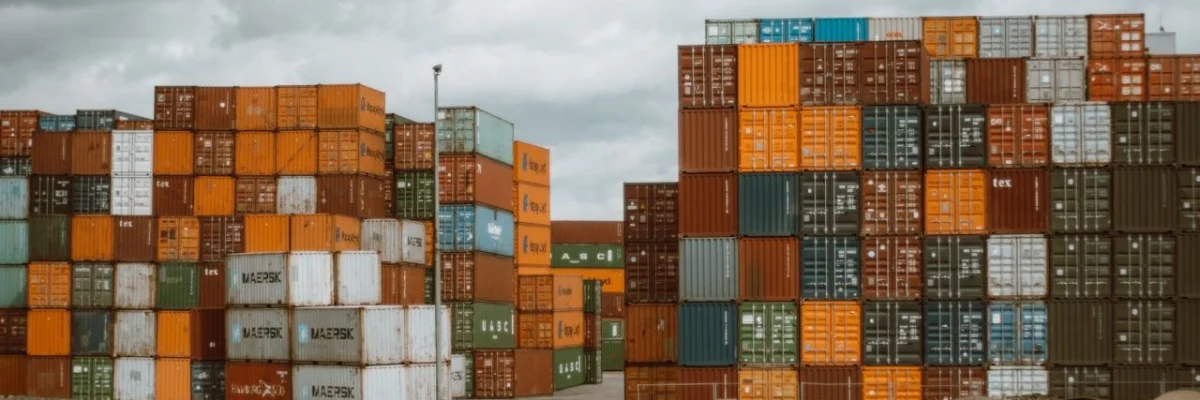
The global logistics landscape is undergoing a massive transformation as supply chains become increasingly complex and demanding. Freight forwarders are now tasked with moving cargo across borders with higher speed and total visibility. As clients expect real time updates at every stage of the journey, professionals must leverage advanced digital tools to stay competitive. This article explores how cloud based platforms like MakeCargo empower forwarders to streamline their shipping workflows while providing unparalleled tracking transparency for global partners. By embracing these innovative technologies, companies can significantly reduce operational friction and build stronger, more reliable relationships with their global customer base.
Optimizing Shipment Visibility
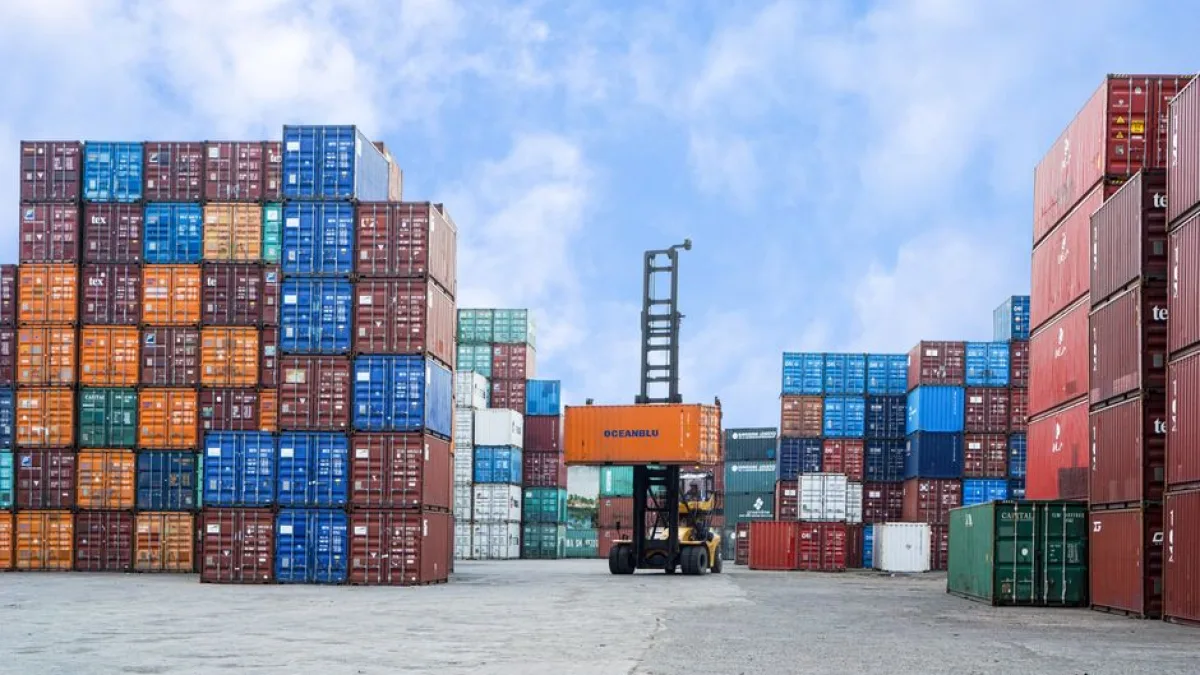
High quality tracking data starts at the port where every movement matters for schedule integrity. By integrating automated status updates directly into your workflow, you eliminate manual data entry errors and provide your clients with accurate container tracking throughout the entire trip.
- Automated status updates: Real time triggers ensure that your shipping dashboard reflects the latest vessel position without manual intervention, saving your logistics team hours of tedious administrative work every week.
- Container milestone alerts: Receive proactive notifications when your shipment arrives at key ports or crossing points, allowing you to manage client expectations before any potential delays turn into crises.
- Visual tracking maps: Modern freight software provides interactive map interfaces that allow stakeholders to see exactly where cargo is located in relation to destination ports at any moment.
- Data integrity checks: Automated systems cross reference carrier data against your internal records to ensure that every tracking event is accurate, reliable, and free from human processing errors.
- Custom client portals: Empower your customers by granting them secure access to view their live shipment progress, reducing the volume of inbound emails and phone calls regarding location.
Adopting these visibility tools transforms your daily operations by turning passive data into an active advantage. Instead of chasing information through endless carrier websites or messy email chains, your team can focus on solving complex logistical challenges. This shift not only improves internal efficiency but also positions your freight forwarding business as a transparent, technology forward partner that modern shippers can trust for their business.
Streamlining Global Logistics Workflows
Efficient shipping requires more than just tracking containers because your backend documentation must match the pace of physical movement. Cloud based platforms consolidate your communication, booking data, and compliance documents into one accessible interface that keeps your entire global team aligned.
- Integrated documentation management: Upload and store vital documents like bills of lading and commercial invoices securely in the cloud to ensure all parties access the latest project versions.
- Unified communication logs: Keep every message related to a specific shipment in a centralized feed to prevent vital information from being buried deep within personal email accounts.
- Collaborative workflow tools: Enable team members across different time zones to update project statuses simultaneously, ensuring that no bottleneck occurs due to local office downtime or delays.
- Custom workflow templates: Standardize your shipping procedures by creating repeatable task lists that guide your staff through every necessary step for different shipping lanes or cargo types.
- Secure data sharing: Exchange sensitive shipping information with verified external partners through encrypted channels that protect your company from digital security threats while maintaining high operational speed.
By unifying your workspace, you effectively remove the information silos that often plague traditional logistics firms. A synchronized team can react to disruptions much faster, maintaining high service levels regardless of the complexity involved in specific lanes. Investing in software that brings your processes together is a strategic move that prepares your organization to handle increased volume while maintaining consistent service quality standards.
Leveraging Real Time Data Analytics

Analytics turn raw shipment numbers into actionable insights that help you optimize your service routes and costs. By analyzing historical tracking data, forwarders can identify recurring bottlenecks and make informed adjustments that improve reliability for all future shipping lanes and client requests.
- Route performance analysis: Evaluate how different carriers and transit paths perform over time to determine which options provide the most consistent delivery speeds for your specific cargo.
- Cost trend tracking: Monitor your shipping expenses against changing market rates to find opportunities for better negotiation and improved profit margins on high volume freight routes.
- Carrier reliability scores: Assign performance metrics to your logistics partners based on past transit times, helping you select the best vendors for urgent shipments that require speed.
- Forecasting future needs: Use past cargo data to predict upcoming seasonal spikes in demand, allowing you to secure space on vessels well before the shipping market tightens.
- Custom reporting tools: Generate detailed performance reports that highlight your operational efficiency, providing your management team with the clear evidence needed to support future investment strategies.
Turning data into strategy is what separates top tier freight forwarders from the competition. When you leverage advanced analytics, your decisions are driven by hard facts rather than guesswork or intuition. This analytical approach reduces risks associated with carrier selection and helps you optimize pricing models. Ultimately, you gain a clearer picture of your business health while identifying precise areas where improvements yield maximum results.
Enhancing Customer Satisfaction Levels

The final measure of a successful shipment is the satisfaction of your customer. Providing proactive updates through a branded, user friendly interface builds trust and ensures that your clients feel well informed and cared for throughout the entire shipping process from start to finish.
- Branded client experiences: Deliver tracking updates through a portal that carries your unique company branding, strengthening your professional identity and keeping your business top of mind.
- Proactive issue resolution: Identify potential transit delays early and reach out to clients with solutions before they even notice a problem, demonstrating a high level of care.
- Transparent billing processes: Include clear tracking information alongside digital invoices to remove any confusion regarding charges and ensure your clients understand exactly what they are paying for.
- Responsive support channels: Integrate chat tools directly into your tracking page so clients can get instant answers to their questions without leaving your secure digital ecosystem.
- Simplified status notifications: Send automated email or SMS alerts that keep stakeholders informed at critical milestones, ensuring they always have the right information at their fingertips.
Customer satisfaction in logistics is built on the foundation of consistent and honest communication. When you provide your clients with a seamless digital experience, they are significantly more likely to return for future business. Investing in the client side of your technology stack demonstrates that you value their time and operational needs. This commitment to service creates long term loyalty and helps your business grow.
Conclusion

Modern shipping demands a blend of advanced tracking technology and efficient digital workflows to remain competitive. By utilizing a platform like MakeCargo, freight forwarders can provide real time visibility, optimize their internal processes, and drive higher customer satisfaction. Start integrating these digital solutions today to simplify your operations, reduce administrative burdens, and scale your logistics business with confidence in an increasingly complex global market.