Mastering Modern Shipping and Tracking for Freight Forwarders
Friday, July 24 2026

In the fast-paced world of international logistics, maintaining total visibility over complex global supply chains is no longer a luxury but a fundamental necessity. Freight forwarders are increasingly tasked with managing multifaceted shipments while satisfying client demands for real-time updates and seamless transparency. Transitioning toward cloud-based digital ecosystems allows teams to consolidate tracking data, reduce manual processing errors, and provide superior service levels that drive long-term customer loyalty. By embracing centralized software solutions, forwarders can proactively manage exceptions and navigate the volatility of modern ocean and air freight markets with confidence, precision, and efficiency across every operational touchpoint.
Optimizing Real-time Visibility
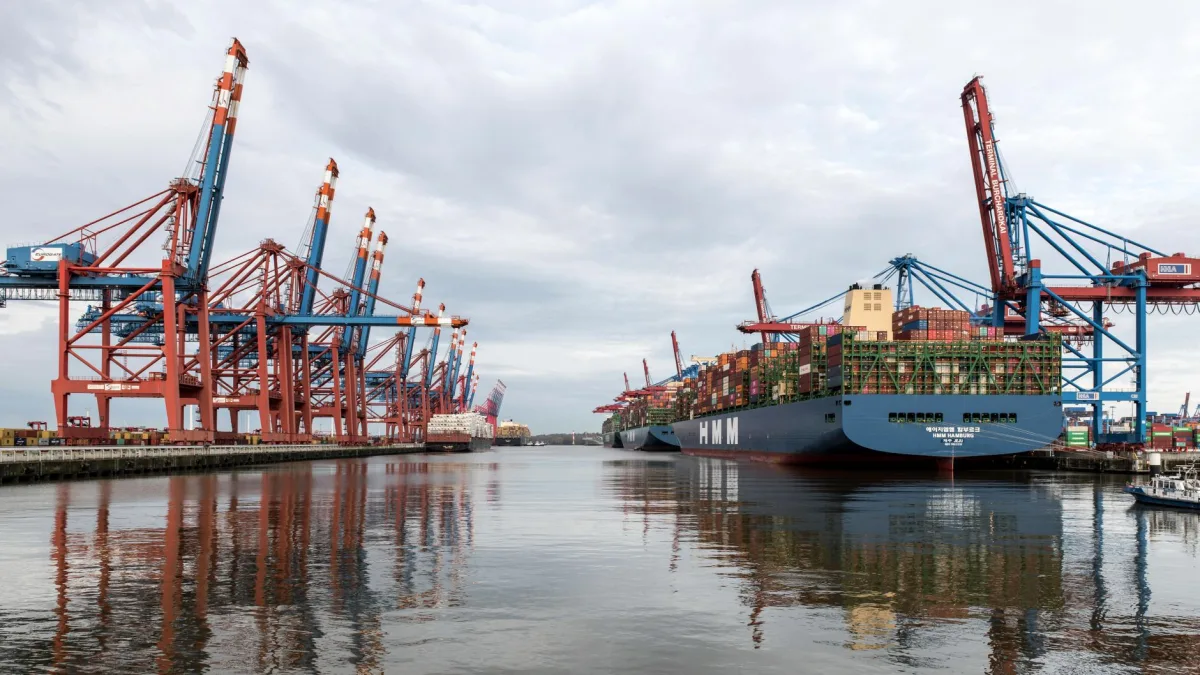
Modern digital platforms transform how forwarders approach cargo monitoring by pulling live data streams directly from carrier systems. This shift ensures that operations teams can identify potential bottlenecks before they escalate, providing clients with the actionable insights they expect from partners.
- Automated Data Streams: Integrate directly with carrier APIs to receive instant updates on vessel status, terminal gates, and arrival times without manual data entry or redundant communication workflows.
- Proactive Exception Alerts: Configure intelligent notification systems that flag delays or dwell time issues immediately, allowing your team to inform clients and arrange contingency plans well in advance.
- Centralized Documentation Hub: Consolidate all shipping documents, including bills of lading and customs declarations, into one accessible location for improved transparency between internal teams and your global partners.
- Client Portal Access: Empower your customers with self-service tracking links that display live status updates, reducing the volume of inbound status inquiries your team handles daily.
By leveraging these advanced visibility tools, forwarders reduce the operational burden of reactive status checks. This automated flow of information replaces fragmented email threads with a single source of truth. Ultimately, firms that prioritize digital transparency cultivate stronger client relationships, proving their value as reliable logistics partners who manage potential disruptions with speed and complete professional oversight while driving significant growth for their businesses.
Streamlining Carrier Communications

Consistent communication remains the bedrock of successful freight operations. Moving away from manual email chains to integrated messaging systems allows forwarders to maintain a clear audit trail while ensuring that every stakeholder remains perfectly aligned throughout the entire shipping journey.
- Unified Messaging Logs: Keep every conversation with carriers, agents, and consignees logged within the shipment file to eliminate knowledge silos and maintain accountability across your busy operations staff.
- Standardized Response Templates: Utilize pre-built templates for common inquiries to ensure consistent messaging and save valuable time during high-pressure shipping windows where speed is absolutely essential for success.
- Automated Task Reminders: Schedule internal notifications to prompt follow-ups with carriers, ensuring that no document deadline or milestone is missed during the long and complex transit period.
- Collaborative Document Editing: Work on essential shipping documents in real-time within the platform to avoid version control issues and ensure that all stakeholders view the latest information.
Efficient communication protocols reduce the friction typically associated with international logistics. When information flows seamlessly between parties, forwarders minimize the risk of human error and documentation delays. This organized approach to messaging ensures that your team spends less time searching for information and more time focusing on high-value tasks, resulting in improved profitability and exceptional service standards for every single client.
Enhancing Operational Data Accuracy

Accurate data is the foundation of every successful shipment. Forwarders must move beyond manual spreadsheets to eliminate data discrepancies that often lead to costly delays at customs checkpoints or storage terminals, ensuring your operations remain fast and compliant.
- Automated Data Validation: Use smart software logic to catch entry errors at the point of creation, preventing downstream issues that often arise from incorrect weight or quantity input.
- Historical Performance Analytics: Analyze past shipping lanes and carrier performance data to make better future logistics decisions based on actual transit times rather than optimistic estimates.
- Compliance Error Prevention: Utilize software features that automatically flag missing regulatory codes or incomplete customs filings, keeping your shipments moving smoothly across all international borders without interruption.
- Inventory Management Sync: Connect your shipping software with client inventory systems to ensure that stock arrivals match purchase orders, providing a complete end-to-end view for your customers.
Maintaining high data integrity standards minimizes the hidden costs that frequently plague freight forwarding operations. When your information is consistent and reliable, you build a foundation of trust that benefits every party involved. By continuously optimizing data accuracy, firms can reduce the time spent on administrative corrections, allowing them to scale operations efficiently while maintaining high levels of operational control and compliance.
Leveraging Scalable Software Solutions

Scaling a freight forwarding business requires a robust digital infrastructure that grows alongside your volume. Investing in cloud-based software ensures that your team remains agile and fully prepared to handle increased complexity without compromising on the quality of your shipping services.
- Cloud Access Flexibility: Allow your remote and office-based teams to access shipment data from anywhere in the world, ensuring that your operations never stop regardless of location.
- Seamless System Integration: Connect your freight forwarding platform with accounting and ERP tools to automate billing processes and improve cash flow management across your entire business entity.
- Customizable Reporting Tools: Generate insightful performance reports on demand to demonstrate your logistical efficiency to key accounts and refine your internal processes based on concrete operational metrics.
- Security and Redundancy: Protect your sensitive client data with enterprise-level security features and automated daily backups that ensure your business information is safe from accidental loss.
Scalability is the key to surviving and thriving in the competitive logistics landscape. By adopting cloud-native tools, forwarders gain the flexibility needed to pivot quickly when market conditions change. This strategic investment in technology not only supports current workflows but also lays the essential groundwork for future growth, enabling your organization to provide top-tier service while optimizing costs across every department.
Conclusion

Transforming your shipping and tracking operations requires a commitment to digital tools that prioritize visibility, communication, and data accuracy. By adopting modern software solutions, freight forwarders gain a significant competitive edge in a crowded market. Start streamlining your processes today to provide the transparency your clients demand and the operational efficiency your business needs to grow successfully in the long term.