Mastering Modern Shipping and Tracking for Freight Forwarders
Thursday, July 30 2026

In the rapidly evolving landscape of international logistics, the ability to provide real-time visibility is no longer a luxury but a fundamental necessity for freight forwarders. Clients now demand instant access to their shipment status, forcing professionals to move beyond manual updates and spreadsheets. By leveraging cloud-based platforms like MakeCargo, forwarders can synchronize data across their entire supply chain network. This shift toward digital transparency reduces human error, enhances operational efficiency, and builds long-term trust with global partners. Embracing these advanced tracking technologies empowers your team to focus on strategic growth rather than repetitive, time-consuming status inquiries.
The Evolution of Real-Time Tracking

Modern digital tracking platforms transform raw data into actionable insights for every logistics team. By moving away from legacy tracking systems, forwarders can now visualize the exact position of cargo, significantly reducing the uncertainty that typically plagues the standard transit process.
- Enhanced Data Accuracy: Automated tracking integrations eliminate manual entry errors by syncing data directly from carrier systems, ensuring that your clients always receive the most precise and reliable shipment updates.
- Automated Client Notifications: Configure custom triggers to inform your partners immediately when status changes occur, which minimizes the need for manual status reports and saves your team valuable time.
- Centralized Information Access: Store all relevant shipment documents and status history in one secure digital location, making it easy for team members to collaborate and respond to inquiries.
- Reduced Operational Costs: Streamline your workflows by reducing the time spent on phone calls and email threads, allowing your staff to manage more shipments with greater efficiency and precision.
Optimizing your tracking capabilities is essential for maintaining a competitive edge in today's global market. When your clients have access to a reliable, user-friendly portal, they are more likely to remain loyal to your services. By adopting these digital tools, you demonstrate a commitment to excellence that differentiates your firm from competitors who still rely on outdated and slow manual communication methods.
Improving Supply Chain Visibility
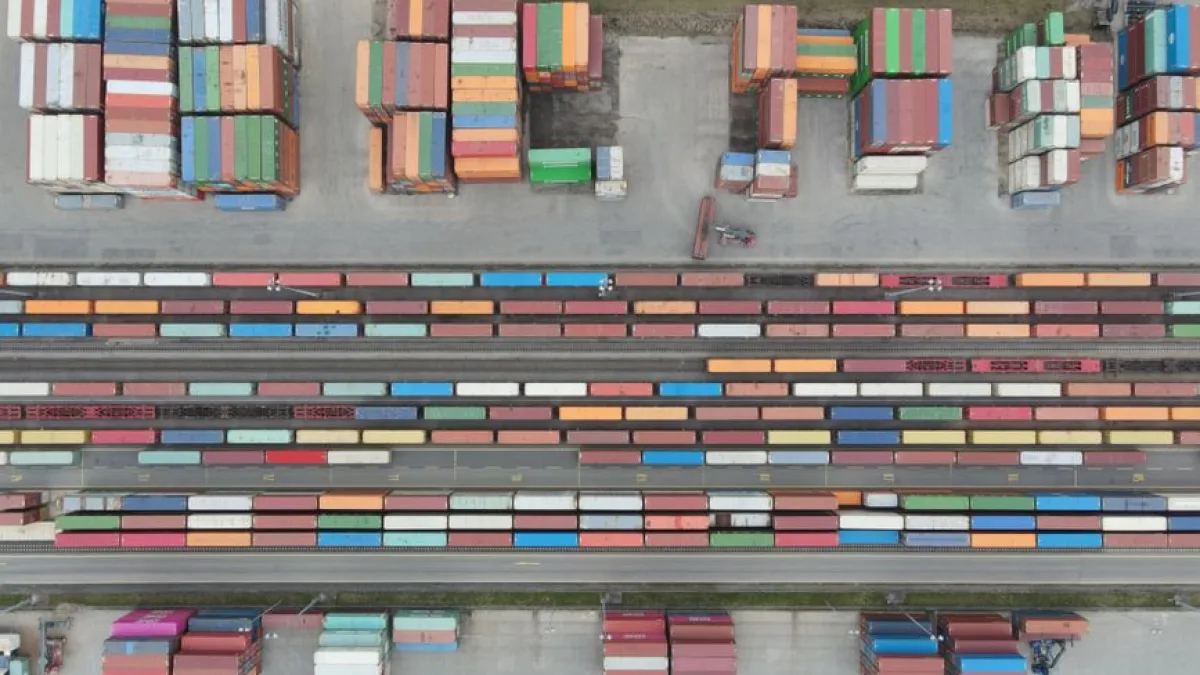
Enhanced visibility across your entire supply chain allows for proactive issue management rather than reactive firefighting. With cloud-based software, freight forwarders gain a bird-eye view of all ongoing movements, enabling them to anticipate bottlenecks before they impact the final delivery timeline.
- Proactive Exception Management: Identify potential delays early in the transit process, allowing your team to inform clients and arrange alternative solutions before the shipment is significantly impacted by disruptions.
- Predictive Milestone Alerts: Utilize advanced tracking logic to anticipate arrival dates based on historical performance data, providing your customers with more accurate delivery estimates for their global shipments.
- Global Network Integration: Connect seamlessly with overseas agents and carriers to ensure that tracking data remains consistent and updated regardless of where the cargo is currently moving.
- Client-Facing Dashboards: Provide your shippers with private, branded tracking portals that display the live status of their freight, which builds transparency and enhances your overall brand reputation globally.
Managing the complexity of modern logistics requires tools that provide deep insights into every shipment stage. Forwarders who prioritize visibility are better equipped to handle international disruptions and maintain high levels of customer satisfaction. By integrating these systems into your daily workflow, you transform your logistics operations into a highly transparent service that consistently delivers reliable information to your important client base.
Optimizing Communication and Collaboration

Effective communication between stakeholders is the backbone of successful freight forwarding operations. Cloud-based platforms facilitate instant interaction, ensuring that every participant in the logistics chain stays informed about shipment status updates, preventing misunderstandings during the international transport process.
- Unified Messaging Systems: Consolidate all shipment-related communications into a single platform, ensuring that no critical information is lost in cluttered email inboxes or disconnected messaging apps between different partners.
- Permission-Based Access Controls: Assign specific access levels to clients, agents, and internal staff, ensuring that sensitive data is shared only with the appropriate parties while maintaining overall document security.
- Real-Time Collaboration Tools: Allow team members to update shipment notes or modify delivery instructions instantly, providing everyone with a single source of truth for every active cargo file.
- Improved Partner Relationships: Foster stronger connections with overseas agents by providing them with a transparent platform where they can contribute updates and access documentation without unnecessary friction or delays.
When communication is streamlined, the entire freight forwarding operation becomes more agile and responsive to market changes. By removing the silos that often separate internal departments from external partners, you create a cohesive environment that prioritizes speed and accuracy. This collaborative approach leads to faster decision-making, fewer errors during the documentation process, and a significantly improved experience for all your logistics clients.
Leveraging Analytics for Performance

Data analytics offer a wealth of information that can guide future business decisions and improve service delivery. By tracking performance metrics, freight forwarders can identify trends, evaluate carrier reliability, and uncover hidden inefficiencies within their standard operating procedures over the long term.
- Carrier Performance Evaluation: Analyze historical tracking data to compare different shipping lines and providers, helping you select the most reliable partners for your future high-value logistics shipments.
- Optimizing Transit Times: Review reporting dashboards to identify common delay patterns, allowing you to optimize route selections and provide more realistic delivery promises to your demanding global customers.
- Service Level Monitoring: Measure how quickly your team responds to tracking inquiries and manages exceptions, identifying areas where you can implement training to enhance the overall customer service experience.
- Strategic Growth Planning: Utilize detailed analytics to forecast seasonal demand and allocate resources effectively, ensuring that your firm is prepared for spikes in volume during peak shipping seasons.
Moving toward a data-driven business model is the best way to ensure long-term sustainability and profitability in the freight industry. By consistently analyzing the information gathered through your tracking platform, you can continuously refine your processes and offer superior value to your clients. This analytical approach empowers your firm to make informed decisions that promote growth and operational excellence in logistics.
Conclusion

Modernizing your approach to shipping and tracking is vital for success in today's logistics industry. By utilizing cloud-based software, improving supply chain visibility, fostering seamless collaboration, and leveraging data analytics, you can elevate your freight forwarding business to new heights. Start implementing these digital strategies today to reduce your overhead costs and provide your clients with the transparent, high-quality service they deserve.