Mastering Modern Shipping and Tracking for Freight Forwarders
Thursday, August 6 2026
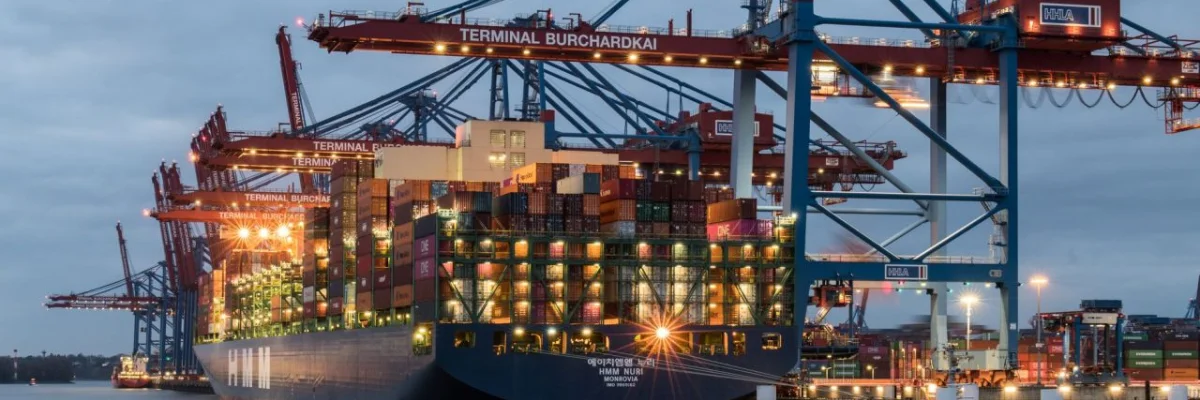
In the fast-paced world of logistics, freight forwarders are under constant pressure to provide real-time updates and seamless coordination for their global clients. As supply chain complexities grow, the demand for transparent and instantaneous visibility into cargo movement becomes a critical competitive advantage. Professionals who harness sophisticated digital tools can successfully mitigate risks, reduce operational delays, and foster long-term trust with shippers. This guide explores the essential pillars of modern shipping and tracking, offering actionable strategies to help your logistics business navigate the evolving landscape of international trade with precision, efficiency, and unparalleled data accuracy in every shipment.
The Digital Visibility Mandate

Digital visibility tools act as the central nervous system for modern freight forwarders. By integrating cloud technology, teams can monitor shipments across multiple transit modes, ensuring that every stakeholder receives timely information regarding their cargo status throughout the entire journey.
- Automated Tracking Updates: Implement automated push notifications that inform your clients of location changes immediately, reducing the need for manual status checks and eliminating repetitive administrative work for your staff.
- Real-time Data Integration: Connect your internal systems with global carrier APIs to pull live data, ensuring that your team always has access to the latest shipment milestones and coordinates.
- Client Portal Access: Provide a dedicated portal for shippers to view their goods, which increases professional transparency and reduces the high volume of email inquiries reaching your team.
- Centralized Document Storage: Link essential shipping documents like bills of lading and commercial invoices directly to the tracking record to ensure that all relevant paperwork remains easily accessible.
Adopting a centralized tracking approach minimizes communication silos and empowers your team to handle complex logistics scenarios with ease. When data is accessible and accurate, forwarders can proactively identify potential delays before they impact the final delivery schedule. Investing in visibility software is no longer a luxury but a fundamental necessity for any forwarder aiming to maintain high service standards in today's market.
Managing Complex Logistics Exceptions
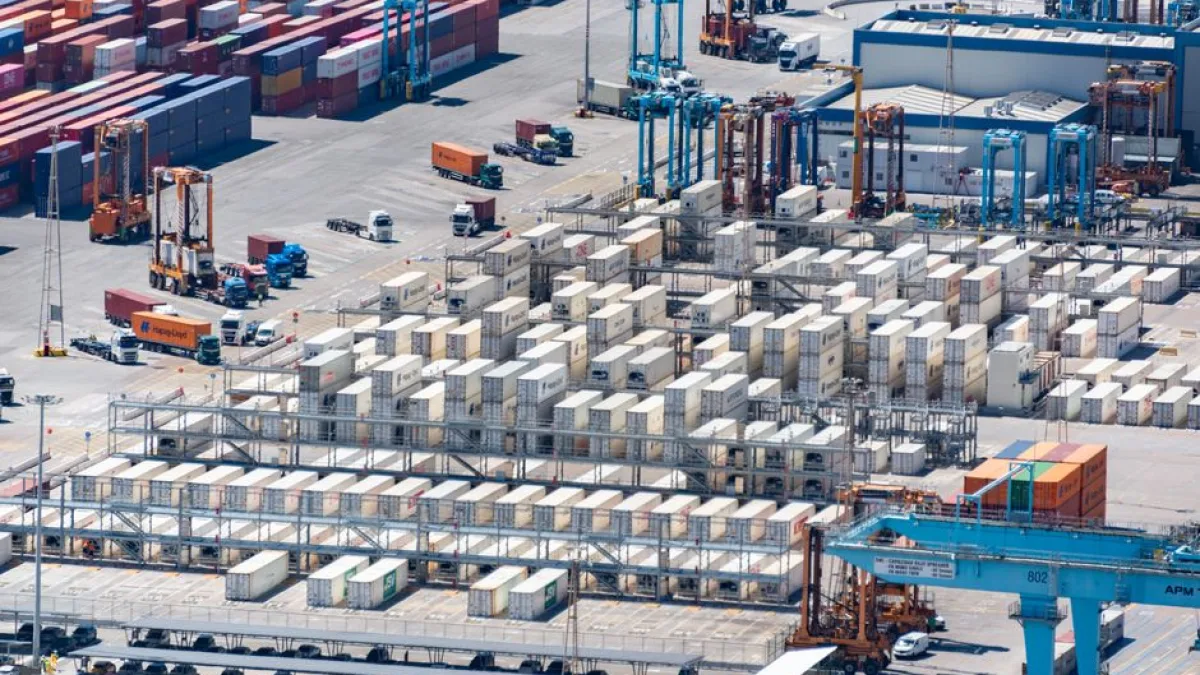
Exceptions like weather delays or customs holds are inevitable in global logistics. Managing these interruptions requires a reactive communication strategy combined with robust analytical tools to find alternative routes or resolve compliance issues before they escalate into major problems.
- Proactive Risk Alerts: Set up smart notifications that trigger alerts whenever a vessel deviates from its planned schedule or hits an unexpected stop, allowing for swift corrective action.
- Contingency Planning Tools: Utilize logistics software to simulate alternative routing options during disruptions, helping your team make data-driven decisions that save time and reduce extra operational costs.
- Customs Compliance Monitoring: Track regulatory requirements across borders to ensure that all necessary documentation is submitted accurately, preventing costly inventory impounds at busy international border entry points.
- Collaborative Issue Resolution: Use internal messaging features within your platform to connect agents and carriers, streamlining the troubleshooting process when an unexpected logistics bottleneck occurs during transit.
Navigating exceptions effectively demonstrates your value as a strategic partner rather than just a service provider. By keeping clients informed during challenging transit periods, you build resilience and trust that standard forwarding services often fail to cultivate. This approach ensures that your operations remain stable and predictable even when external environmental factors threaten the efficiency of the global supply chain network.
Optimizing Communication with Stakeholders

Effective communication bridges the gap between complicated transit data and client peace of mind. By refining how you share updates and resolve queries, your freight forwarding business can significantly improve customer satisfaction scores and reduce the daily burden on staff.
- Streamlined Update Workflows: Utilize templates and automated email triggers to maintain a professional tone, ensuring that all communications remain consistent across your entire organization and client base.
- Multi-Channel Support Strategies: Offer diverse communication channels like live chat or dedicated account management tools to meet clients where they prefer to interact with your team.
- Historical Data Analysis: Review past communication logs to identify common points of confusion for shippers, which allows you to proactively adjust your outreach and documentation strategies accordingly.
- Internal Team Syncing: Maintain internal logs of all external conversations to ensure that every team member understands the current status of a client shipment at all times.
Optimizing your communication style is about more than just speed; it is about providing clear and actionable insights that simplify the complexities of international freight. When clients feel supported and well-informed, they are more likely to return for future business. Prioritizing structured interactions will transform your operational workflow, resulting in happier clients and a significantly more efficient team environment every day.
Leveraging Advanced Data Analytics

Data is a powerful asset that can uncover hidden inefficiencies within your shipping operations. By analyzing transit times, carrier performance, and recurring bottlenecks, forwarders can optimize their processes and negotiate better rates while improving their overall service delivery model.
- Carrier Performance Reviews: Track individual carrier metrics to identify which partners provide the most reliable service, enabling you to select the best vendors for your client shipments.
- Transit Time Analysis: Audit historical shipping data to detect patterns in delayed routes, allowing you to suggest smarter, faster, and more cost-effective transit options for your customers.
- Cost Saving Identification: Visualize your total shipping expenditure to find areas where consolidation could reduce costs, ultimately helping your clients save money on their recurring logistics operations.
- Market Trend Forecasting: Use predictive analytics to anticipate fluctuations in demand or capacity, which prepares your business for seasonal changes and ensures you have sufficient carrier availability.
Data-driven decision making is the definitive hallmark of a modern freight forwarding enterprise. By moving beyond basic status checks and diving deep into performance metrics, your firm can provide superior insights that differentiate your service in a crowded market. Consistently reviewing these analytics will lead to refined strategies, increased profitability, and a more strategic approach to managing complex global supply chains.
Conclusion

Success in the freight forwarding industry hinges on your ability to combine transparency with strategic operational efficiency. By mastering the art of modern shipping and tracking, you position your firm as an essential partner in the global trade ecosystem. Keep focusing on digital integration and data analysis to stay ahead, and reach out to our team at MakeCargo to enhance your shipping operations today.