Mastering Modern Shipping and Tracking for Freight Forwarders
Saturday, August 8 2026
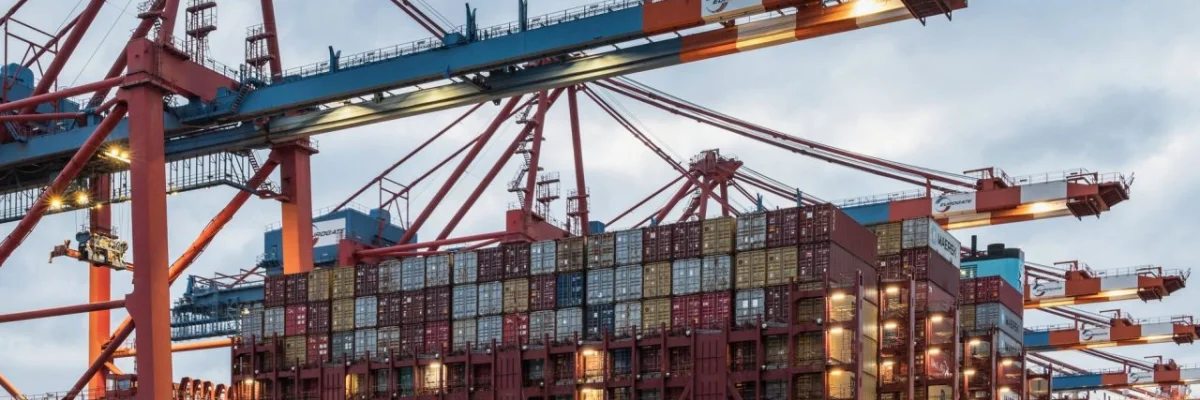
The global logistics landscape is undergoing a massive transformation as digital expectations from clients reach an all-time high. Freight forwarders today must move beyond manual spreadsheets and legacy communication methods to maintain a competitive edge. Modern shipping and tracking solutions are no longer just a luxury but a fundamental necessity for operational success. By centralizing data and providing real-time transparency, forwarders can significantly reduce administrative overhead while improving service reliability. Adopting these advanced technologies ensures that cargo movement is seamless, allowing logistics professionals to focus on strategic growth rather than getting bogged down by endless status updates and repetitive customer inquiries.
The Evolution of Visibility
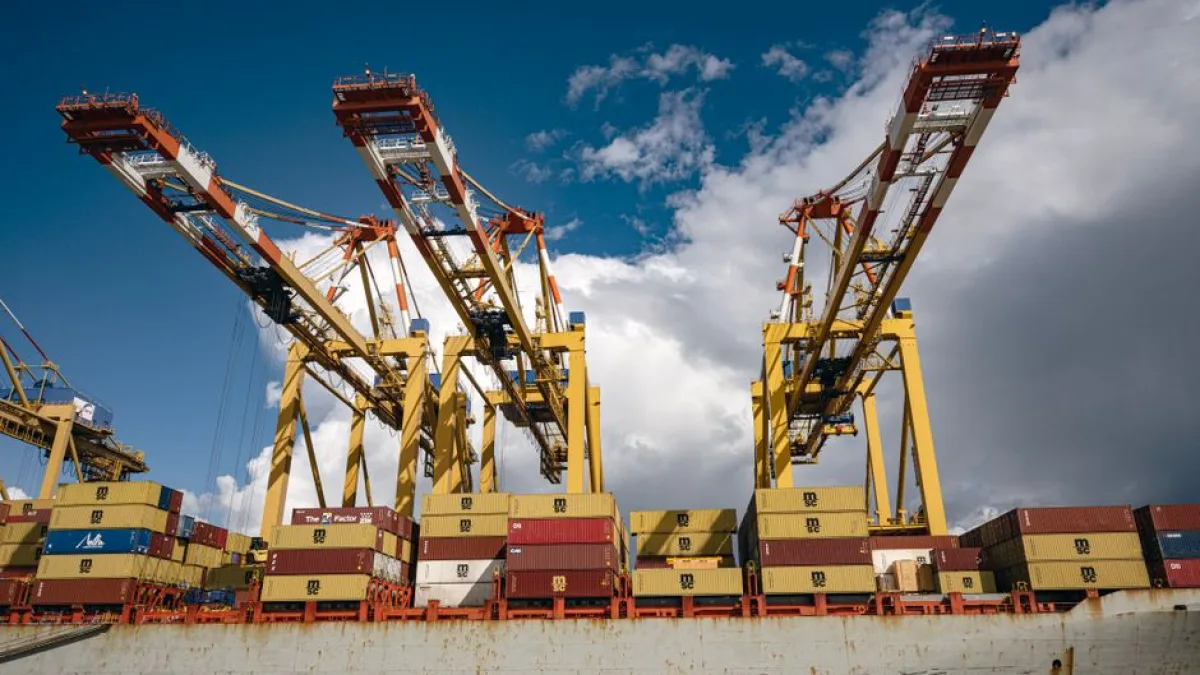
Real-time visibility has become the gold standard for global trade operations today. As shippers demand granular data, freight forwarders must utilize integrated tracking platforms to provide accurate updates, effectively bridging the communication gap between transit points and final warehouse delivery destinations.
- Real-time status updates: Automated alerts provide instant notifications regarding shipment milestones, helping your team proactively manage delays and keep stakeholders informed without relying on manual phone calls or emails.
- Centralized data access: Consolidating all shipping documents and tracking links into a single cloud dashboard eliminates information silos, ensuring that every team member views the exact same data.
- Proactive delay mitigation: Advanced tracking systems identify potential bottlenecks early, allowing you to re-route shipments or notify clients of expected arrival shifts before issues become critical service failures.
- Enhanced client trust: Providing your customers with transparent access to their cargo locations builds long-term loyalty and reduces the time your team spends answering repetitive status requests.
- Improved resource allocation: With better visibility, logistics managers can optimize their internal workflows, ensuring that staff members focus their time on complex problem solving instead of basic tracking.
Achieving total visibility is the first step toward transforming your logistics business from a reactive operation into a proactive powerhouse. When clients can see exactly where their freight is located at any moment, they feel more confident in your services. This confidence leads to stronger partnerships, better retention rates, and a reputation for excellence that separates your brand from traditional, slower competition in the industry.
Digital Documentation Management

Moving away from paper trails is essential for maintaining efficient shipping processes. Digital documentation allows forwarders to store bills of lading and customs forms securely, ensuring that compliance requirements are met swiftly while minimizing the risk of losing vital shipment paperwork.
- Seamless document storage: Cloud-based platforms securely store every shipping document, allowing for instant retrieval and easy sharing with carriers, customs officials, and clients during the entire transit process.
- Automated compliance checks: Integrated tools scan documents for errors or missing information, which prevents costly customs holds and ensures your shipments move through borders without unnecessary regulatory friction.
- Instant file sharing: Secure portals enable you to share shipping invoices and clearance documents with partners instantly, significantly reducing the turnaround time for your international logistics operations daily.
- Version control consistency: Automatic updates ensure that your team always works with the most recent version of a document, eliminating the confusion caused by duplicate email attachments and revisions.
- Enhanced data security: Cloud platforms utilize enterprise-grade encryption to protect sensitive client data and trade secrets, offering a much safer alternative to traditional physical filing cabinet storage systems.
Adopting digital documentation management streamlines your back-office operations and reduces the administrative burden on your team. By removing the manual labor associated with paper filing, your company can process higher shipment volumes with fewer errors. This efficiency directly impacts your bottom line, as you spend less time searching for lost documents and more time executing complex logistics tasks that add real value.
Integrating Automated Carrier Updates

Connecting directly with carrier APIs provides a direct pipeline of data that removes human intervention from the tracking process. This integration ensures that your internal systems stay synchronized with global shipping schedules, resulting in highly precise arrival estimates for all your customers.
- Direct API connections: Linking your platform directly to carrier networks ensures that tracking information is updated instantly, providing your team with the most accurate data available today.
- Eliminated manual entry: Automated synchronization removes the need for manual data input, which dramatically reduces the chance of human error and saves your staff valuable time during busy periods.
- Consistent shipment tracking: Standardized data streams across multiple shipping lines guarantee that your clients receive a uniform experience, regardless of which carrier is actually moving their specific cargo.
- Accurate arrival projections: Advanced algorithms analyze carrier data to generate reliable estimated arrival times, which helps your clients plan their inventory levels and warehousing activities with much greater confidence.
- Automated exception handling: Systems can automatically flag significant tracking exceptions, allowing your operations team to resolve issues immediately without searching through thousands of shipment updates on various sites.
By automating the flow of information between carriers and your software, you create a seamless experience that benefits everyone involved in the supply chain. Clients receive timely, accurate information without needing to contact your support staff repeatedly. This high level of service is a key differentiator that allows freight forwarders to thrive in a market that is increasingly defined by digital speed and transparency.
Optimizing the Client Experience

A superior client experience is built on the foundation of intuitive software and accessible information. When your customers have a clear view of their shipments through a branded portal, they are more likely to return for repeat business and refer your services to others.
- Customizable client portals: Provide your customers with a personalized login area where they can track their freight, download invoices, and view shipment reports at their own convenience daily.
- Interactive dashboard tools: Intuitive interfaces allow clients to filter and sort their active shipments, providing them with a highly organized view of their logistics activity and status.
- Real-time mobile access: Modern tracking solutions offer mobile-responsive designs, ensuring your clients can check their shipment status from any location, even when they are away from their desks.
- Streamlined inquiry resolution: Integrated chat features allow clients to ask specific questions about a shipment directly within the portal, keeping all conversation logs tied to relevant data.
- Data-driven performance reports: Offer your clients detailed analytics on their own shipping history, which helps them identify trends and make better decisions for their long-term supply chain.
Investing in an optimized client experience turns simple shipping transactions into long-term professional partnerships. By providing tools that make your customers feel empowered and informed, you remove friction from their daily operations. This proactive approach to customer service builds significant brand loyalty, proving that your freight forwarding business is committed to utilizing the best technology available to support their success in a competitive market.
Conclusion

Modernizing your shipping and tracking operations is vital for staying relevant in today's fast-paced logistics environment. By leveraging automation, digital documentation, and direct carrier integrations, your freight forwarding business can offer unmatched transparency to your clients. Embracing these advanced technological solutions will not only save your team time but also foster stronger relationships through increased reliability, setting your brand apart in the global marketplace.