Mastering Modern Shipping and Tracking for Freight Forwarders
Sunday, August 9 2026
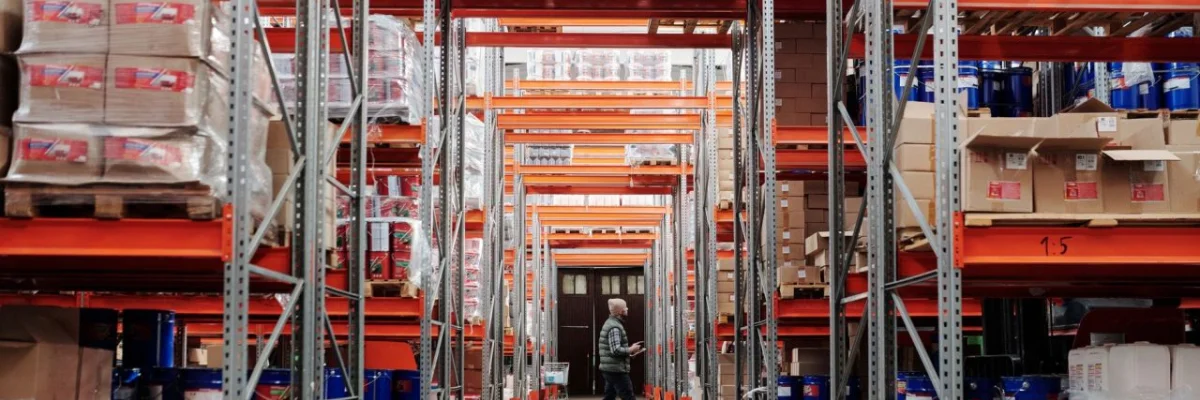
In the fast-paced world of international logistics, the ability to provide real-time visibility is no longer a luxury but a fundamental necessity for freight forwarders. Clients demand instant updates on their shipments, expecting transparency from port of origin to final delivery destination. Modern cloud-based software platforms have transformed how professionals manage these complex data flows by integrating disparate systems into one unified interface. As global supply chains face increasing volatility, adopting advanced shipping and tracking tools allows your business to stay ahead of disruptions, improve customer satisfaction, and maintain a competitive edge in a crowded global marketplace.
Optimizing Real-Time Visibility
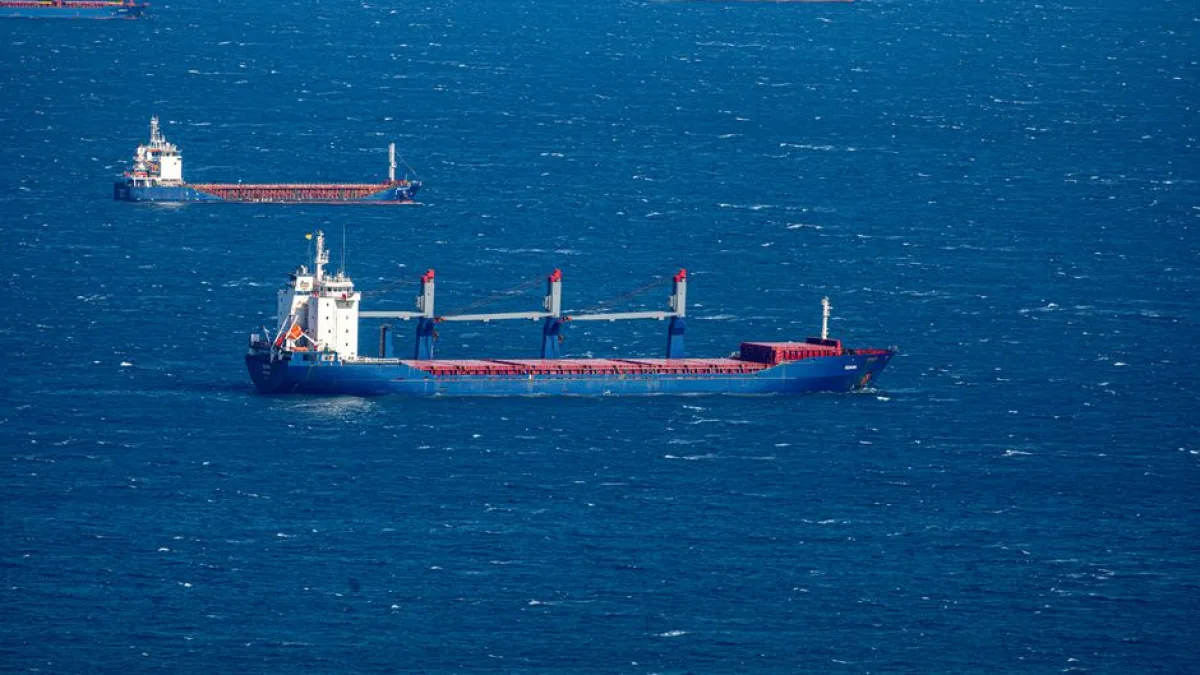
Visualizing the movement of goods across oceans provides essential insights into supply chain health and operational performance. Modern dashboards translate raw GPS and satellite data into actionable intelligence, helping teams anticipate potential delays before they impact the final delivery schedule for clients.
- Automated status updates: Receive instant notifications triggered by geofencing technology when a vessel arrives at a specific port or terminal, ensuring your team is always informed of milestone progress.
- Global map integration: Visualize multiple shipments simultaneously on an interactive digital map, allowing managers to identify bottlenecks or congestion zones that require immediate attention or proactive routing.
- Carrier data synchronization: Integrate directly with major shipping line APIs to pull accurate tracking information, effectively eliminating the need for manual data entry or checking individual carrier websites.
- Customer portal transparency: Empower your clients to access their own shipment status through a secure portal, reducing the volume of inbound status inquiries handled by your operations staff.
- Exception alerts management: Configure custom triggers that alert your team when a shipment deviates from the planned route or exceeds expected transit times, enabling rapid crisis response strategies.
By leveraging high-quality digital tracking systems, forwarders can significantly reduce manual overhead while providing superior service levels. This proactive approach to shipment monitoring ensures that every stakeholder remains informed throughout the entire logistics process. As automation becomes the standard in freight forwarding, your business must focus on high-value tasks while letting technology manage the routine data gathering and status reporting requirements effectively.
Streamlining Documentation Workflows
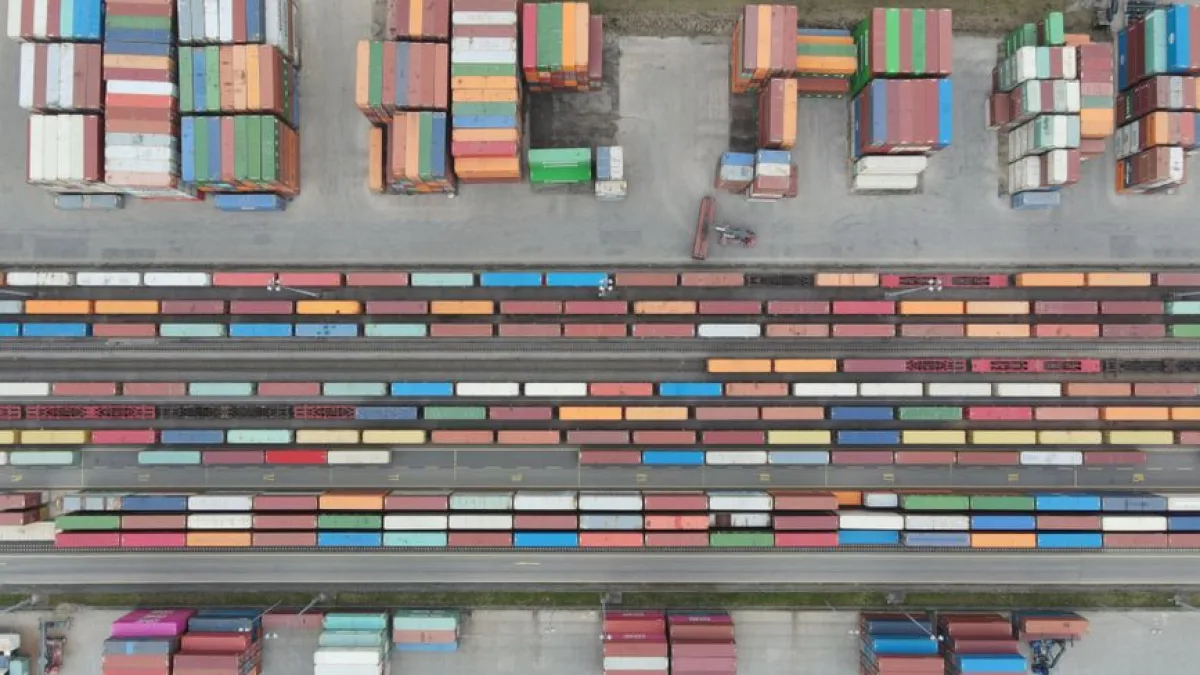
Digital documentation management is the backbone of efficient freight forwarding operations and global trade compliance. By centralizing invoices, bills of lading, and customs forms in the cloud, teams can reduce errors and speed up processing times for critical international shipments.
- Electronic document storage: Maintain a secure and searchable archive of all shipping documentation, ensuring that vital records are accessible to authorized personnel from any global location instantly.
- Standardized file templates: Use pre-built document templates to ensure consistency across all international shipments, significantly reducing the time spent on repetitive administrative tasks for your logistics teams.
- Automated audit trails: Keep a comprehensive record of document edits and approvals, providing full visibility into the history of every file for compliance and quality control purposes.
- Secure document sharing: Enable seamless collaboration with external partners, such as customs brokers and local transporters, by sharing encrypted links to documents rather than relying on unsecured email.
- Optical character recognition: Implement scanning tools that automatically extract data from physical documents, converting them into digital formats that can be easily integrated into your existing tracking systems.
Efficient documentation is essential for maintaining the momentum of global cargo movement. By automating the capture and organization of files, freight forwarders prevent costly delays caused by administrative bottlenecks. Investing in a robust cloud platform ensures that documentation stays synchronized with physical cargo movement, creating a cohesive experience that satisfies both regulatory requirements and client expectations for accurate, timely shipment processing.
Integrating Carrier API Solutions
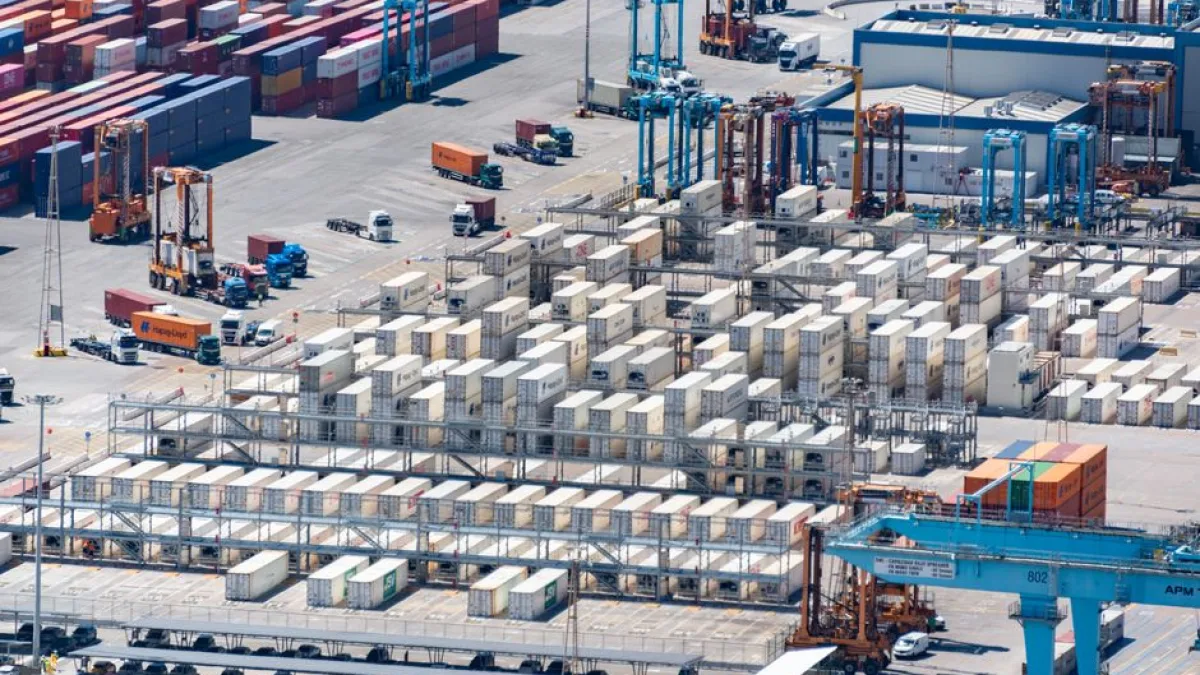
Direct API integration with major ocean and air carriers is essential for modern freight forwarders. By connecting your platform directly to carrier systems, you ensure that shipment data remains consistent, accurate, and updated in real-time across your entire organizational infrastructure.
- Eliminate manual entry: Remove the risk of human error by importing data directly from carrier systems, which ensures that tracking numbers and container IDs are always perfectly accurate.
- Reduce operational latency: Access live data feeds that provide instantaneous updates, allowing your team to make informed routing decisions based on the most current global shipping information.
- Standardize data formats: Convert heterogeneous carrier data into a single, unified format within your software, making it easier to analyze performance metrics across different shipping lines and regions.
- Scalable technical growth: Build a modular logistics infrastructure that can easily incorporate new carrier partners as your network expands, supporting long-term business growth and operational agility effortlessly.
- Enhanced data security: Utilize encrypted API protocols to protect sensitive client and shipment information, ensuring that data exchanges meet modern cybersecurity standards and privacy compliance regulations.
Connecting your internal systems to carrier networks builds a foundation for long-term operational excellence. By focusing on data integrity through automated synchronization, you minimize the risk of discrepancies that often lead to customer frustration or logistical errors. A well-integrated carrier API strategy allows your team to spend less time chasing information and more time optimizing routes and managing client relationships effectively.
Managing Exceptions and Delays

Global logistics is rarely predictable, making proactive exception management a critical skill for any freight forwarder. Identifying potential delays early allows for effective mitigation strategies that protect client timelines and minimize the financial impact of unforeseen events at port or transit hubs.
- Proactive delay identification: Monitor external factors such as weather patterns or labor strikes to anticipate potential shipping disruptions, allowing you to inform clients before issues escalate significantly.
- Alternative routing options: Develop contingency plans that enable quick switches between transport modes or carrier services, ensuring that time-sensitive cargo reaches its destination despite major transit obstacles.
- Collaborative problem solving: Use shared communication tools within your platform to coordinate with international agents and terminal operators, ensuring a unified response to sudden supply chain interruptions.
- Comprehensive incident logging: Document all exception cases in detail to identify recurring patterns, providing the necessary data to refine future shipping strategies and avoid similar issues later.
- Automated client notifications: Draft and send personalized status updates immediately when an exception occurs, maintaining professional trust through clear communication and timely resolution of reported shipping problems.
Navigating complexity requires both high-quality data and a strategic mindset. By anticipating challenges before they manifest as delays, forwarders can differentiate their services through reliability and expert problem solving. Effective exception management transforms unexpected events into opportunities to demonstrate value and professional competence. When your team is equipped with the right tools, handling even the most difficult logistical challenges becomes a manageable operational process.
Conclusion

Mastering shipping and tracking is essential for modern freight forwarding success. By prioritizing real-time visibility, streamlining document management, integrating carrier APIs, and proactively managing exceptions, you can elevate your service offerings significantly. These strategies not only improve operational efficiency but also build lasting trust with your clients. Invest in the right cloud-based technology today to ensure your business remains agile in a changing world.