Mastering Modern Shipping and Tracking for Freight Forwarders
Monday, August 10 2026

In the rapidly evolving landscape of global logistics, the demand for transparency has never been higher. Freight forwarders are under constant pressure to provide real-time updates while managing complex supply chains across multiple modes of transport. Moving beyond manual tracking processes requires a robust digital strategy that leverages automation and cloud-based integration. By prioritizing accurate data flows and predictive analytics, forwarders can enhance customer satisfaction and operational agility. This guide explores the essential components of effective shipment monitoring, helping your team deliver consistent reliability while scaling your business in a competitive market environment that rewards precision and technological innovation.
Optimizing Real-Time Visibility
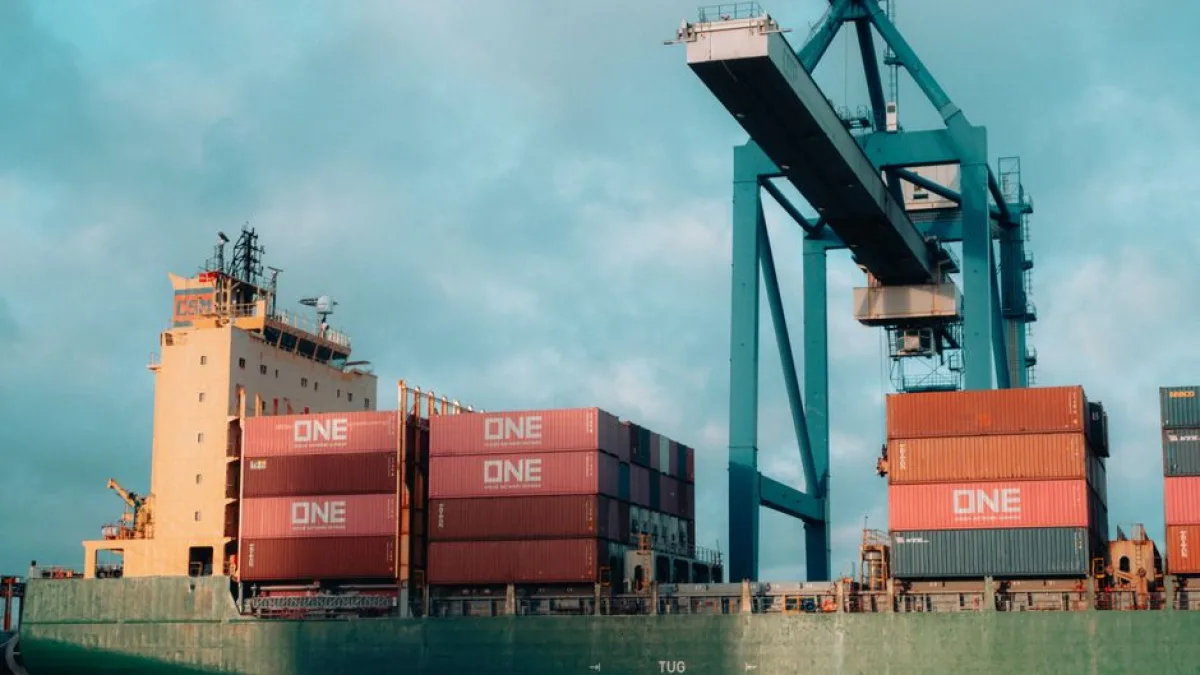
Achieving total visibility into your shipments requires seamless integration between your freight forwarding software and carrier systems. By eliminating information silos, you ensure that every team member accesses identical, up-to-the-minute data, which effectively minimizes the risk of manual communication errors and expensive delays.
- Centralized Data Integration: Connect your platform directly with ocean and air carriers to pull automated status updates, ensuring your dashboard reflects the most current information available for every shipment.
- Proactive Alert Systems: Set up automated notifications that trigger when a vessel misses a milestone or enters a specific geofence, allowing your team to address issues before escalation.
- Collaborative Client Portals: Provide your customers with a secure, self-service portal where they can monitor their shipments in real-time, reducing the volume of status inquiries hitting your inbox.
- Standardized Data Formats: Use uniform digital standards to ingest and process updates from diverse transport providers, maintaining high data quality across your entire network of logistics partners.
By streamlining how data moves through your internal systems, you significantly reduce the administrative burden on your operations team. This proactive approach to tracking does not just save time but builds immense trust with your clients. When you provide immediate, accurate answers, you position your brand as a professional leader in the industry, ultimately fostering long-term partnerships and securing a competitive edge in logistics.
Leveraging Automated Milestone Tracking

Automated milestones transform the tracking experience by replacing manual entry with intelligent workflows. When a container leaves the port or arrives at a customs terminal, your system should update instantly, keeping stakeholders informed without requiring a single manual email or phone call.
- Defined Milestone Events: Map out key transit phases such as vessel departure and customs clearance to trigger automatic system updates, ensuring consistent visibility throughout the entire ocean journey.
- Exception Management Workflows: Configure your software to flag specific milestones that do not meet scheduled timelines, enabling your dispatchers to intervene immediately to resolve potential bottlenecks or delays.
- Automated Customer Updates: Utilize automated email or SMS triggers that inform your clients of successful milestones, keeping them in the loop while you focus on high-value tasks.
- Data Accuracy Validation: Implement logic checks that verify the timestamps and status codes received from carriers, ensuring that human error does not corrupt your shipment tracking metrics.
Automation serves as the backbone of a modern freight forwarding business. By removing the manual element from milestone reporting, you eliminate human error and improve the velocity of your internal communications. This technology enables your team to handle larger volumes of shipments with greater accuracy, allowing you to scale your operations profitably while providing the high level of service your clients truly deserve.
Enhancing Predictive Analytics Capabilities

Predictive analytics allow freight forwarders to anticipate disruptions rather than simply reacting to them. By analyzing historical shipping data and current environmental factors, you can estimate arrival times with much higher accuracy, helping your clients manage their own inventory needs with greater confidence and predictability.
- Arrival Time Forecasting: Integrate machine learning tools that evaluate port congestion, weather patterns, and historical carrier performance to provide reliable delivery estimates to your various shipping clients.
- Historical Performance Reviews: Analyze past shipment logs to identify which carriers or routes consistently face delays, allowing you to optimize future shipping strategies based on actual data.
- Capacity Planning Tools: Use historical volume trends to predict upcoming shipping demand, helping you negotiate better rates and secure equipment space before the market tightens significantly.
- Trend Analysis Reporting: Generate customized reports for your clients that highlight their shipping patterns and potential opportunities to reduce costs or improve their total transit times.
When you shift your focus from reactive status updates to predictive insights, you become a strategic consultant for your customers. Providing data-driven suggestions on routes or carrier selection adds tangible value to your service offering. This capability sets your agency apart from those relying on basic tracking, making you an indispensable partner in your clients' complex international supply chain operations today.
Streamlining Document Management Workflows

Tracking shipments is only half the battle; managing the associated documentation is equally critical for successful operations. Integrating your documents with your tracking system ensures that bills of lading and customs forms are always readily available, simplifying the entire shipping cycle for everyone involved.
- Unified Document Storage: Store all essential shipping documents directly within the shipment record, ensuring that your team and partners can access required paperwork without searching through endless emails.
- Automated Document Uploads: Use digital capture tools to scan or drag-and-drop documents, which then automatically associate with the correct file based on the shipment ID or bill number.
- Secure Client Access: Grant your shippers access to retrieve their specific shipping documents through your portal, reducing document requests and improving your turnaround times for critical paperwork.
- Compliance Tracking Features: Flag incomplete or missing documentation early in the process to ensure that all legal and customs requirements are met before the cargo reaches the border.
Integrated document management creates a friction-free environment for your operations. By keeping files linked to your tracking data, you minimize search time and prevent costly mistakes related to missing or expired documentation. This efficiency translates into faster customs clearance and smoother port operations. When your data and documents coexist in one cloud environment, you operate with superior speed and total transparency.
Conclusion

Optimizing your shipping and tracking processes is essential for thriving in today's logistics industry. By utilizing cloud technology, automated milestones, and predictive analytics, you can deliver exceptional value while reducing your internal overhead costs. Start refining your digital strategy today to ensure your freight forwarding business remains competitive and scalable. Embracing these technological advancements will empower your team to exceed client expectations consistently.