Mastering Modern Shipping and Tracking for Freight Forwarders
Thursday, August 13 2026

In the rapidly evolving landscape of global logistics, freight forwarders are facing unprecedented pressure to provide granular visibility to their clients. As supply chains become more complex, the ability to track shipments in real-time has moved from a competitive advantage to a basic market expectation. Leveraging cloud-based technology allows logistics providers to bridge the gap between departure and destination, ensuring transparency and accountability at every milestone. This guide explores the essential components of modern tracking systems, helping you optimize operations and enhance client satisfaction while navigating the intricacies of international freight movement with precision and confidence.
The Evolution of Visibility
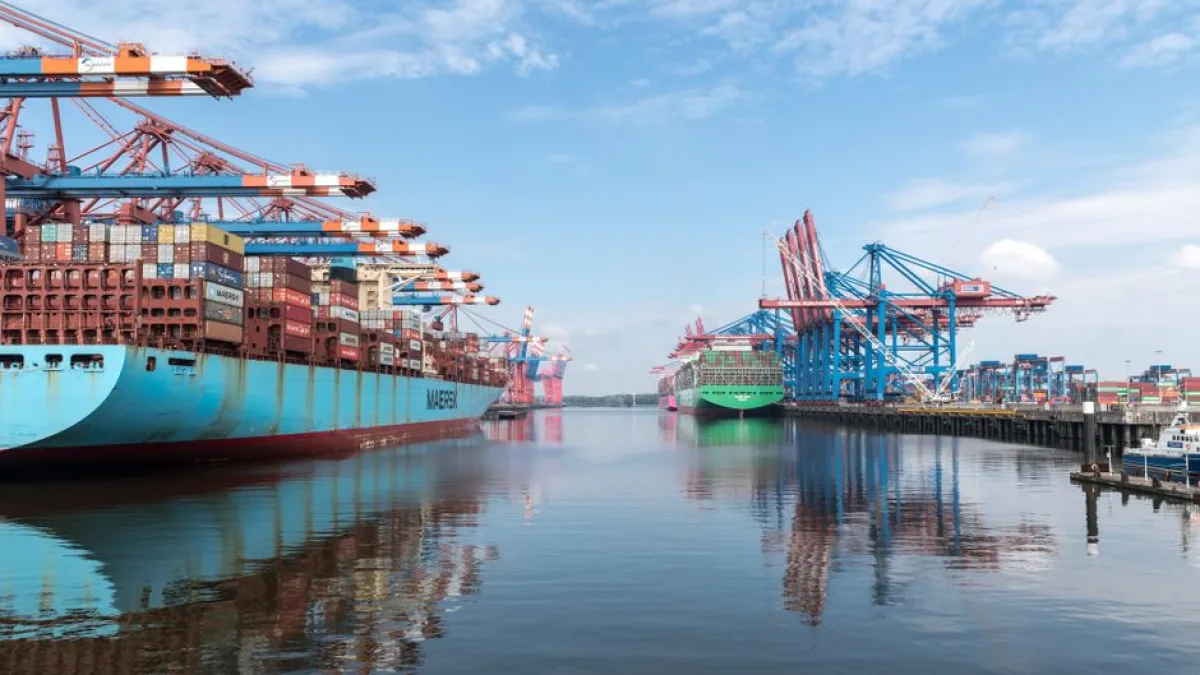
Digital tracking solutions have transformed how forwarders monitor cargo progress across the globe. By integrating advanced API connections and IoT hardware, companies can now capture live data points that were previously impossible to monitor through traditional spreadsheets or manual entry methods.
- Automated Data Streams: Integrate your logistics software with carrier APIs to receive instant status updates, reducing the manual burden on your team while increasing overall tracking data accuracy levels.
- Real-time Vessel Tracking: Utilize satellite-based tracking systems to monitor ocean freight movements, allowing you to provide clients with precise location data regardless of their position on the ocean.
- Predictive Arrival Estimates: Apply machine learning algorithms to historical data and weather patterns, enabling your team to provide more accurate estimated arrival times for complex international shipment routes.
- Client Portal Integration: Offer your customers a dedicated dashboard that displays live shipping updates, which significantly reduces the volume of status inquiries handled by your operations staff daily.
Modern visibility platforms empower your staff to move beyond reactive updates and embrace a proactive management style. When you provide immediate access to shipment statuses, you foster trust and loyalty with your partners. This shift in operational focus allows your firm to handle exceptions before they become costly delays, ultimately driving higher performance metrics and solidifying your reputation as a reliable logistics industry leader.
Leveraging Cloud Technology

Cloud infrastructure provides the backbone for scalable freight management, enabling secure data storage and universal access. By centralizing documentation and tracking data, forwarders can ensure that every stakeholder views the same information, eliminating common errors caused by inconsistent communication channels.
- Centralized Information Hub: Maintain all shipping documentation within a single cloud-based repository, ensuring that your global team has immediate access to critical files from any remote location.
- Secure Data Sharing: Implement robust permission levels within your platform to share sensitive tracking data with verified partners while maintaining strict confidentiality and protecting your proprietary client information.
- Scalable System Infrastructure: Benefit from cloud platforms that grow alongside your business, allowing you to add new users and data capacity without the need for expensive hardware installations.
- Disaster Recovery Plans: Protect your operational continuity by utilizing cloud backups, which ensure your critical shipping data remains safe and recoverable even during unforeseen local server failures.
Cloud systems remove the geographical barriers that often slow down traditional freight forwarding businesses. By allowing your team to collaborate on shipment tracking from different parts of the world, you improve efficiency and accelerate document processing times. This modern approach to infrastructure guarantees that your operations remain agile, supporting faster decision-making processes and ensuring that your team can deliver top-tier service regardless of any external disruptions.
Streamlining Workflow Automation

Automation is the key to handling increased shipping volumes without sacrificing the quality of your client interactions. By automating routine tasks such as tracking notifications and status updates, your team can redirect their focus toward high-value activities like relationship management and problem resolution.
- Automatic Status Alerts: Configure your platform to send triggered emails to clients when milestones are met, ensuring that relevant parties remain informed without requiring constant manual intervention.
- Exception Management Flows: Set up automated warnings for delayed shipments, enabling your operations team to intervene immediately and provide proactive solutions to your valued clients before issues escalate.
- Document Generation Tools: Use your shipping data to auto-populate essential freight documents, which saves significant time and prevents common human errors associated with manual data entry processes daily.
- Standardized Operational Workflows: Create uniform tracking procedures across all your branches to ensure consistent service levels, regardless of which local office is managing a specific client freight shipment.
Automation allows your operations team to handle large volumes of cargo with greater efficiency and fewer mistakes. By removing repetitive manual labor from their daily schedules, you permit your staff to focus on solving complex logistical challenges. This transformation creates a more productive work environment, improves individual job satisfaction, and ultimately contributes to higher levels of profitability for your freight forwarding firm over time.
Optimizing Client Experience

Delivering an exceptional customer experience is rooted in clear, consistent communication throughout the shipping lifecycle. When clients feel confident about their cargo status, they are more likely to return for future business, providing you with a stable revenue stream and enhanced growth opportunities.
- Branded Customer Portals: Customize your tracking interface to match your corporate branding, which reinforces your company identity and builds professional trust with every client login session performed.
- Customized Reporting Tools: Generate tailored performance reports for your clients, highlighting key metrics like transit times and on-time performance to demonstrate the unique value your firm provides consistently.
- Proactive Communication Strategies: Reach out to clients with updates before they have a chance to ask, establishing your firm as a transparent and reliable partner in global logistics.
- Mobile Accessibility Support: Ensure your tracking dashboard is fully mobile-optimized, allowing your clients to monitor their shipments conveniently from their smartphones or tablets while they are traveling.
Satisfied customers are your most effective marketing asset in the competitive freight industry. By prioritizing an intuitive tracking experience, you differentiate your brand and build strong, lasting professional relationships. Investing in user-focused features today ensures that your clients remain satisfied with your service levels, creating a sustainable competitive edge that keeps your business relevant and profitable in an increasingly crowded global freight marketplace.
Conclusion

Mastering modern shipping and tracking is essential for any forwarder aiming to succeed in today's digital logistics environment. By embracing cloud technology, automating core workflows, and prioritizing the user experience, you create a robust foundation for long-term growth. Use these strategies to transform your operations and provide the visibility your clients demand. Explore the MakeCargo platform to implement these advanced tracking tools effectively today.