Mastering Modern Shipping and Tracking in Freight Forwarding
Friday, August 14 2026
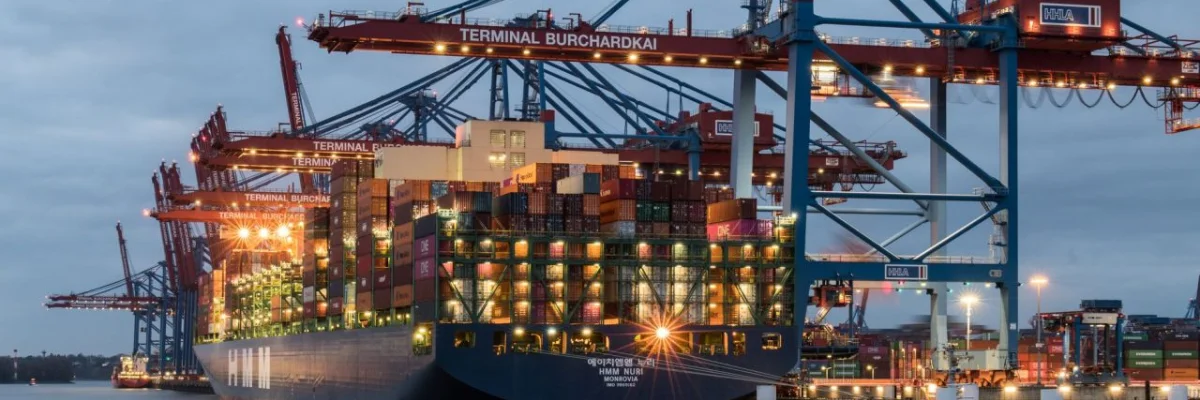
The global supply chain landscape is evolving rapidly, forcing freight forwarders to move beyond manual tracking methods toward more integrated, digital solutions. Clients now expect real-time visibility into their shipments from the moment cargo leaves the warehouse until it arrives at the final destination. This demand for transparency places pressure on logistics providers to adopt sophisticated tracking technology. By leveraging cloud-based platforms, forwarders can minimize manual errors, improve operational efficiency, and build stronger relationships with shippers who rely on data-driven insights. Staying ahead in this competitive industry requires a commitment to technological adaptation and a proactive approach to managing complex global shipping routes.
Optimizing Shipment Visibility
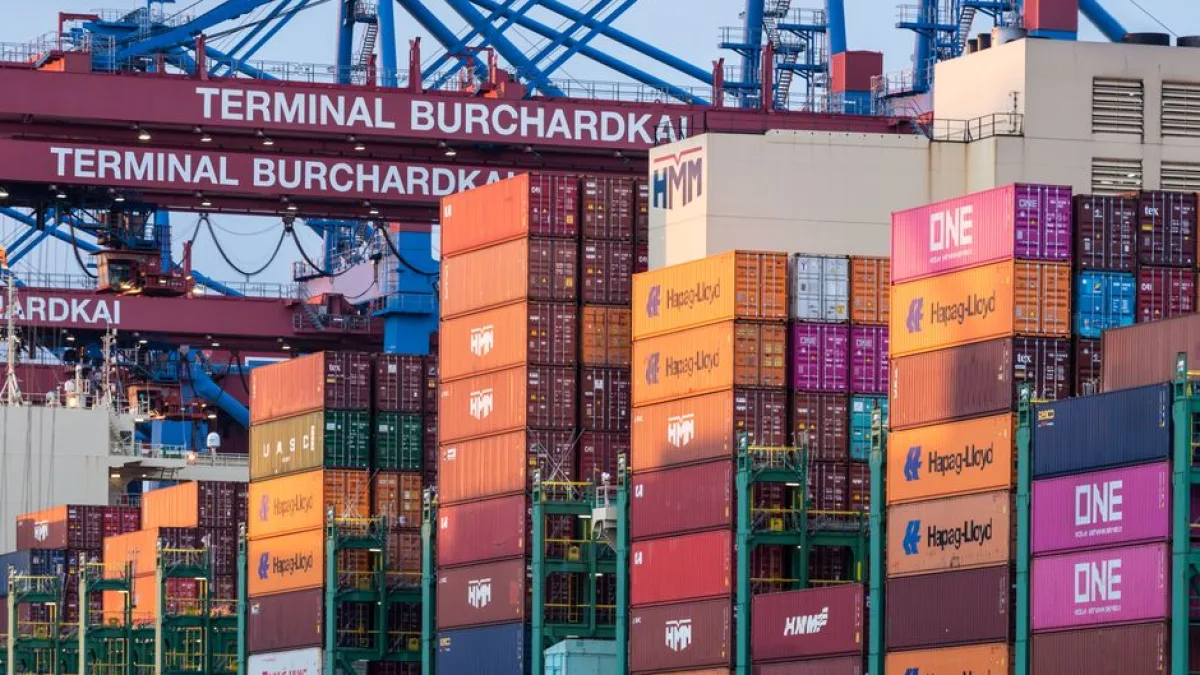
Real-time visibility serves as the backbone of modern freight forwarding, allowing logistics providers to anticipate delays before they impact the bottom line. Utilizing cloud tools enables teams to monitor vessel movements and inland transit milestones with unprecedented accuracy and automated precision.
- Automated status updates: Integrate direct carrier feeds into your management system to ensure that every milestone change is automatically recorded without the need for manual data entry or email.
- Centralized data dashboards: Maintain a single source of truth for all active shipments so your entire operations team can quickly access critical information regarding current vessel locations.
- Predictive delay alerts: Leverage historical data and live tracking signals to identify potential port congestion or weather disruptions early enough to pivot your logistics strategy effectively.
- Customer portal access: Empower your clients with self-service tracking capabilities that allow them to monitor their cargo status 24/7, reducing the high volume of inbound status inquiries.
Adopting these advanced visibility strategies changes the client experience significantly by replacing uncertainty with reliable information. When your team spends less time answering basic status questions, they can focus on high-value logistics planning and problem solving. This shift toward digital transparency not only satisfies current market demands but also positions your freight forwarding business as a modern partner that values speed and data accuracy.
Integrating Carrier API Connections

Modern freight forwarding relies heavily on seamless API integrations to bridge the gap between carrier systems and your operational software. By establishing robust digital links, you eliminate communication silos that often lead to inaccurate data and missed shipment milestones.
- Seamless data synchronization: Connect your platform directly to major shipping lines and airlines to pull schedule changes, voyage updates, and container movements directly into your internal workflow.
- Reduced manual labor: Automate the retrieval of shipping documents and tracking milestones to save hours of administrative time previously spent chasing updates via phone or email.
- Enhanced data precision: Minimize human errors by relying on automated data streams rather than manual transcription, ensuring that all stakeholders view the exact same transit information.
- Scalable operational growth: Utilize digital infrastructure that allows your team to handle a significantly higher volume of global shipments without needing to expand your administrative headcount.
API integrations serve as the foundation for a truly automated freight forwarding business, enabling you to scale operations while maintaining high service levels. When your software communicates directly with carriers, you capture granular details that remain hidden in traditional email threads. This technical maturity allows for smarter decision making and creates a resilient supply chain that can withstand the volatility of global shipping markets.
Improving Exception Management Workflows

Managing exceptions is perhaps the most difficult aspect of freight forwarding, requiring quick responses when transit plans go off course. Efficient tracking allows you to identify issues early, enabling proactive communication with clients to manage their expectations during transit.
- Real-time alert systems: Configure automated notifications for specific events like vessel delays, missed transshipments, or port strikes so your operations team can respond with instant urgency.
- Standardized recovery protocols: Create predefined workflows for common shipping exceptions to ensure that your team follows consistent, effective steps to resolve delays and maintain service levels.
- Proactive client communication: Inform customers about potential disruptions before they find out on their own, which builds trust and maintains professional credibility even during challenging shipments.
- Detailed performance metrics: Track the frequency and root causes of transit exceptions to identify long-term trends and adjust your carrier selection based on historical reliability data.
Handling disruptions effectively distinguishes a top tier forwarder from the competition. By moving from reactive problem solving to proactive exception management, you minimize the financial impact of delays and preserve long-term client relationships. Using your software to categorize and document these incidents allows for better planning in the future, ultimately creating a more robust supply chain strategy that benefits both your business and clients.
Leveraging Advanced Data Analytics

Data is the most valuable asset for a freight forwarder, yet many companies fail to utilize the information generated by their daily shipping activities. Analytics turn basic tracking data into actionable intelligence that helps you optimize costs and improve route performance.
- Historical trend analysis: Examine past shipping data to identify seasonal patterns or carrier weaknesses, allowing you to negotiate better rates and choose more reliable routes annually.
- Cost per shipment: Calculate the true profitability of individual lanes by analyzing total transit times, administrative overhead, and carrier costs within your cloud management platform software.
- Carrier performance scoring: Assign objective ratings to your shipping partners based on actual performance metrics like on-time delivery percentages and responsiveness to transit delay notifications.
- Operational efficiency reports: Identify bottlenecks in your internal processes to understand where your team spends the most time and how you can optimize daily workflows.
When you harness the power of your own data, you stop guessing and start making evidence-based decisions. This analytical approach leads to improved profitability, better carrier negotiations, and a clearer understanding of your competitive position in the logistics market. Consistent monitoring of your performance metrics ensures that your freight forwarding operations remain agile, cost-effective, and aligned with the evolving needs of global commerce.
Conclusion

Successful shipping and tracking requires a blend of reliable software tools, smart API integrations, and a commitment to data-driven decision making. By focusing on visibility, proactive exception management, and deep analytics, freight forwarders can provide superior value to their clients. Evaluate your current processes today to identify where technology can bridge the gap between operational complexity and total supply chain control for your business.