Mastering Modern Shipping and Tracking for Freight Forwarders
Tuesday, August 18 2026
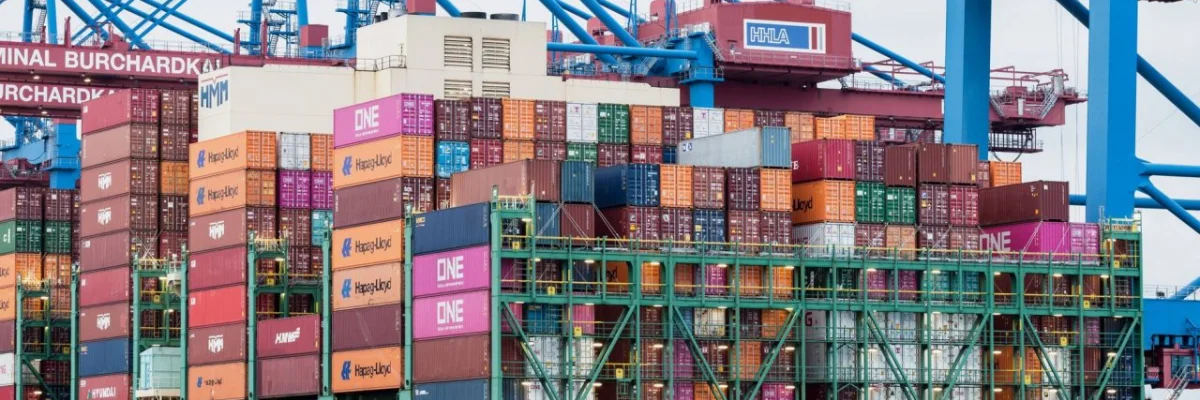
In the fast-paced world of logistics, visibility has become the most valuable currency for freight forwarders. As global supply chains grow increasingly complex, clients no longer settle for static updates or delayed status reports. The ability to provide real-time tracking is a competitive necessity that defines operational success. Modern digital platforms now offer unprecedented transparency into cargo movement, from the initial pickup to final delivery. By leveraging cloud-based technology, forwarders can proactively manage risks and keep their customers informed. This comprehensive guide explores how to elevate your tracking capabilities and build stronger trust through data-driven logistics management and seamless communication.
The Evolution of Visibility

Digital dashboards now provide instant oversight for global shipping movements across various transport modes. These systems transform raw data into actionable insights, allowing teams to monitor exceptions immediately. High-quality visualization tools empower forwarders to act quickly on delays.
- Centralized Data Management: Consolidate information from multiple carriers into a single user-friendly interface to eliminate data silos and improve overall decision speed for your entire logistics operations team.
- Real-time Status Updates: Provide customers with precise, automated notifications regarding shipment milestones to reduce the volume of manual inquiry emails and boost your overall service quality ratings.
- Predictive Exception Alerts: Configure automated triggers that notify your staff the moment a delay is detected, enabling you to resolve potential issues before they become major customer complaints.
- Historical Performance Analytics: Use collected tracking data to analyze carrier performance trends, helping you identify the most reliable partners for your future shipping requirements and cost objectives.
- Mobile Access Capabilities: Allow your field agents and clients to check cargo status from any location, ensuring that critical information is always available on any connected device.
Adopting centralized tracking software changes how forwarders interact with their global carrier network. Instead of chasing status updates through phone calls or disconnected spreadsheets, your team can rely on a single source of truth. This shift reduces administrative overhead and minimizes the risk of human error. By embracing these digital tools, you create a more resilient logistics environment that prioritizes speed and consistent accuracy.
Optimizing Carrier Connectivity
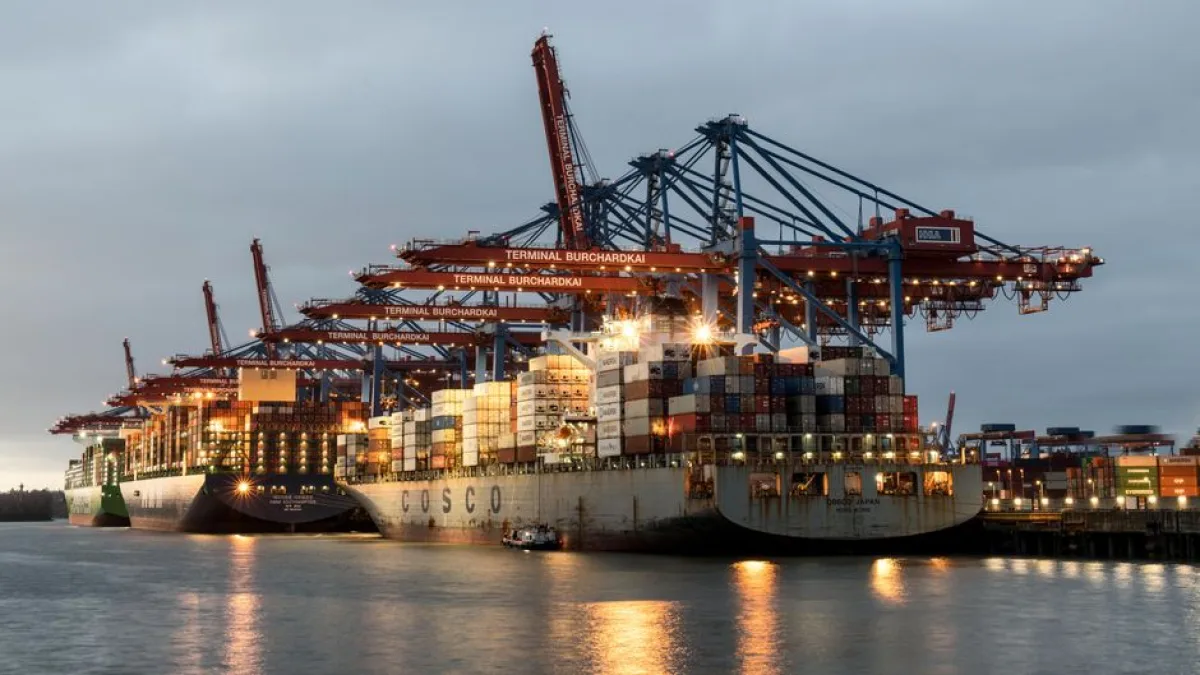
Integrating directly with ocean and air carriers simplifies the flow of essential tracking data. This seamless connectivity removes the need for manual inputs and ensures your platform remains updated. Consistent data streams foster better collaboration between all logistics stakeholders.
- API Integration Power: Connect your software directly to major carrier databases to receive automatic updates, ensuring your dashboard always displays the latest location and status information.
- Electronic Data Interchange: Utilize standardized EDI formats to exchange shipment details with partners, creating a highly efficient digital ecosystem that supports rapid communication and documentation processing.
- Unified Carrier Portals: Streamline your workflows by managing all carrier interactions within one internal software interface, significantly reducing the time spent navigating disparate websites and login pages.
- Automated Milestone Tracking: Capture key events such as arrival at terminal or customs clearance automatically, which saves your staff hours of manual data entry tasks every week.
- Standardized Data Formatting: Ensure that all incoming shipment data follows a uniform structure, which improves report generation and makes complex analytical tasks much easier to execute correctly.
Effective connectivity serves as the backbone of a high-performing freight forwarding operation. By automating the data exchange process, you eliminate bottlenecks that often plague traditional shipping methods. This allows your team to focus on strategic tasks like network optimization and client relationship management. Consistent, accurate data fosters trust with your customers, positioning your firm as a reliable partner in an unpredictable global market.
Managing Customer Transparency

Transparency builds lasting professional relationships by keeping clients informed at every stage of the shipment lifecycle. When customers feel empowered with live information, they experience higher levels of satisfaction. Clarity in communication is essential for long-term retention.
- Client-Facing Tracking Portals: Grant your customers secure login access to a personalized portal, allowing them to monitor their active shipments without needing to contact your support team.
- Automated Status Notifications: Send proactive emails or SMS alerts during key transit milestones, ensuring that your clients receive critical information exactly when they need to see it.
- Customizable Reporting Tools: Generate detailed shipment status reports tailored to specific client needs, demonstrating your commitment to providing high-value service through transparent data and clear communication.
- Interactive Document Access: Provide instant digital access to bills of lading and invoices within the tracking interface, which accelerates the billing cycle and improves overall documentation management.
- Proactive Exception Communication: Explain transit delays clearly and provide potential solutions, which helps maintain client confidence even when unexpected disruptions occur within the global shipping route network.
Client loyalty is frequently determined by how your team handles information flow during transit. When forwarders use modern tracking tools to provide constant updates, clients feel in control of their own inventory. This transparency reduces anxiety and builds deep professional trust over time. Investing in customer-facing technology proves that you value their time and are dedicated to maintaining a high standard of professional service.
Building Future-Ready Operations
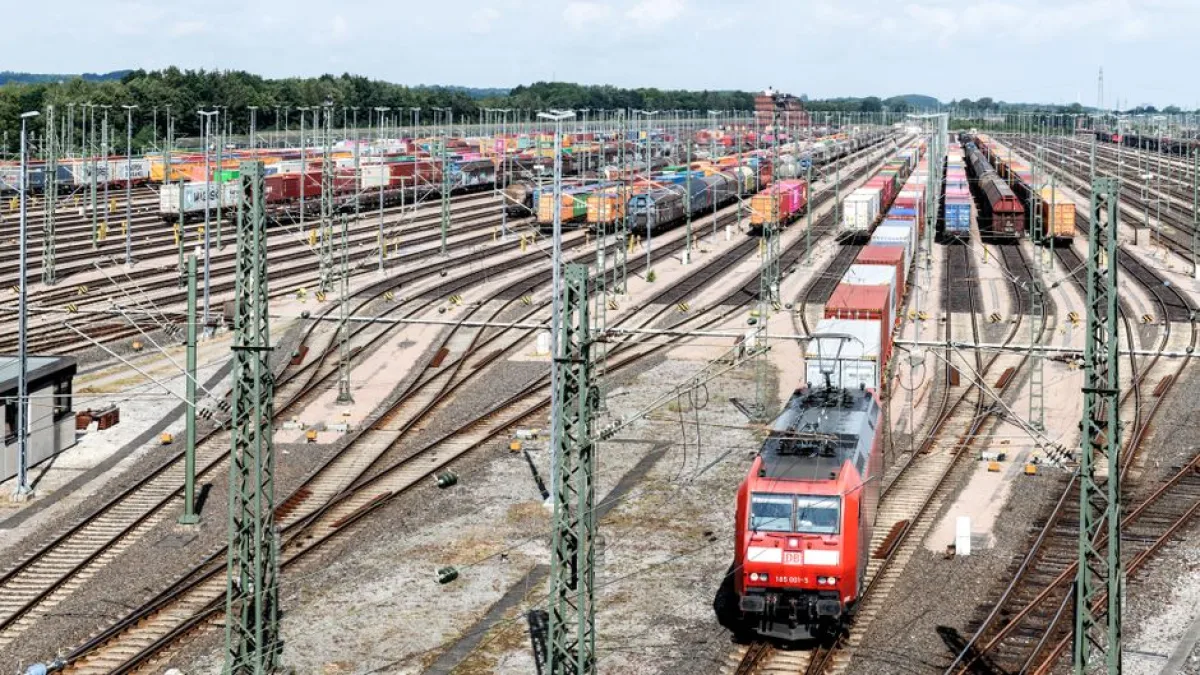
Planning for future growth requires a robust technological foundation that scales alongside your business. A flexible software architecture allows you to adopt new features as industry standards continue to evolve. Preparation is the key to maintaining a competitive advantage.
- Cloud Infrastructure Benefits: Leverage the scalability of cloud-based freight platforms to handle increased shipping volumes without experiencing performance degradation or requiring expensive new hardware system installations.
- Automated Workflow Efficiency: Use intelligent software automation to manage repetitive tasks, allowing your team to scale operations effectively without needing to add significant administrative headcount during growth.
- Data Security Protocols: Protect your sensitive client shipping data with industry-leading security measures, ensuring compliance with global privacy regulations and maintaining a reputation for total business reliability.
- Continuous Feature Upgrades: Partner with software providers that release frequent updates, ensuring that your logistics tools always incorporate the latest technology to solve emerging freight forwarding challenges.
- Customizable System Modules: Tailor your platform functions to fit your unique niche, whether you focus on refrigerated freight, heavy haulage, or high-velocity retail shipping and distribution requirements.
The logistics industry is constantly changing, and forwarders who invest in adaptive technology are best positioned for success. By focusing on scalable infrastructure and data-driven improvements, you ensure your business remains relevant and profitable. Future-ready operations are not just about today's needs, but about building the foundation for next year's expansion. Stay agile by prioritizing systems that grow as quickly as your client portfolio.
Conclusion

Modernizing your approach to shipping and tracking is vital for achieving sustainable growth in the current freight forwarding market. By integrating advanced technology, improving connectivity, and prioritizing customer transparency, you transform your operations into a high-value asset for your clients. Consistent execution of these strategies ensures long-term success, helping you navigate the complexities of global trade while delivering exceptional service that keeps your customers returning.