Mastering Modern Shipping and Tracking for Freight Forwarders
Thursday, August 20 2026

The global logistics landscape is undergoing a massive digital transformation that demands unprecedented visibility and precision. Freight forwarders are no longer just movers of goods; they are information brokers who must provide real time insights to stay competitive in a volatile market. As customers expect instant updates on their shipments, the ability to track cargo across complex multimodal routes has become a primary differentiator. By leveraging cloud based platforms, professionals can bridge the gap between physical freight movement and digital data management, ensuring transparency and operational excellence at every single stage of the international supply chain lifecycle.
Optimizing Real Time Visibility

Achieving total visibility begins with digitizing the movement of goods from the warehouse floor to the final destination. Modern tracking tools convert raw data points into actionable insights that help teams anticipate potential bottlenecks before they impact your scheduled delivery timelines.
- Integrated Tracking Systems: Centralizing your tracking data within a single cloud platform eliminates information silos and provides a unified view of your entire global shipment portfolio for your staff.
- Automated Status Alerts: Proactive notifications sent directly to stakeholders keep clients informed about critical milestones without requiring manual intervention from your logistics coordinators or customer support service team members.
- Geospatial Data Accuracy: Utilizing high quality satellite data allows you to monitor vessel movements with precision, ensuring that you can verify arrival times and manage transit exceptions effectively.
- Client Portal Access: Empowering customers with self service tracking dashboards reduces the volume of repetitive status requests, allowing your staff to focus on high value logistics challenges daily.
- Predictive Analytics Integration: Advanced algorithms analyze historical shipping patterns to forecast transit times more accurately, giving your team a strategic advantage when planning complex international freight forwarding routes today.
By implementing these robust visibility solutions, forwarders can move away from reactive firefighting and towards proactive shipment management. Your clients will appreciate the increased transparency that comes with instant status reporting and accurate arrival projections. When your systems are fully connected, you build trust and long term loyalty, which are essential components for growth in today's fast paced and interconnected global logistics marketplace.
Managing Exceptions and Delays
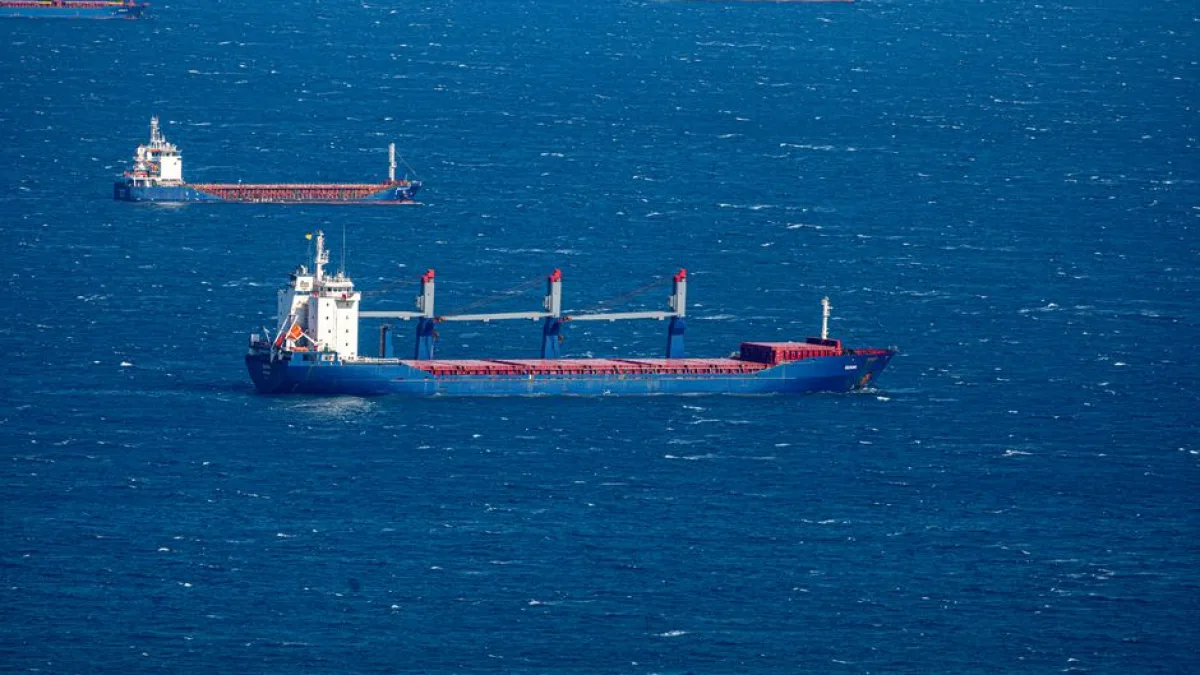
Disruptions such as severe weather or port congestion are inevitable parts of the shipping business. Having a structured approach to identifying and resolving these exceptions allows forwarders to maintain high service levels despite the external pressures of the supply chain.
- Proactive Exception Alerts: Configure your system to flag delays the moment a ship falls behind schedule, enabling your team to take corrective action before the cargo reaches port.
- Multimodal Alternative Planning: Rapidly evaluating secondary transport routes ensures that your clients goods keep moving even when primary infrastructure encounters unexpected closures or massive capacity constraints during peak periods.
- Effective Stakeholder Communication: Transparently sharing details about shipment delays helps maintain trust with your customers, turning difficult delivery situations into opportunities for demonstrating your professional crisis management capabilities throughout transit.
- Root Cause Analysis: Reviewing historical data from recurring delays helps you identify systemic weaknesses in your carrier network, allowing for better selection of service providers in the future.
- Collaborative Resolution Tools: Shared digital workspaces allow your team to work with carriers and warehouse staff to resolve clearance issues quickly, minimizing the impact of dwell time.
Effective exception management transforms your logistics operations from a reactive cost center into a resilient competitive advantage. When your team knows exactly how to navigate unforeseen delays, you protect your clients from unnecessary costs and operational headaches. Building a culture of transparency during difficult shipping periods ultimately solidifies your reputation as a reliable and expert partner in the international freight industry.
Leveraging Automated Documentation

Streamlining the flow of shipping documents is just as important as tracking physical containers. Automated document processing reduces human error and accelerates the customs clearance process by ensuring that all regulatory requirements are met accurately and within strict legal timeframes.
- Standardized Document Templates: Using pre built templates ensures that bills of lading and commercial invoices are formatted correctly, reducing the risk of administrative errors during the customs process.
- Digital Document Storage: Keeping all critical shipping records in a centralized cloud vault provides your team with instant access to necessary paperwork whenever audit requests arise.
- Automated Compliance Checks: Advanced software tools verify that your documentation meets current international trade regulations, preventing costly penalties and shipment seizures at international border checkpoints during transit.
- Instant Sharing Capabilities: Securely sending electronic documents to agents and port authorities cuts down on processing time, ensuring that cargo moves through terminals with minimal delays today.
- Integrated Workflow Approvals: Assigning specific tasks for document review keeps your team accountable, ensuring that every piece of paperwork is validated by the right expert before submission.
Transitioning to a paperless environment significantly boosts your operational efficiency and reduces administrative overhead. When documentation moves at the speed of digital, your freight forwarding operations become much more agile and capable of handling larger volumes of business. This focus on precision not only speeds up the clearance process but also minimizes the risks associated with manual data entry for your company.
Enhancing Customer Experience

The final pillar of success in modern freight forwarding is the overall experience you provide to your clients. A seamless interface combined with responsive communication ensures that customers feel supported at every step of their shipment journey across the vast global network.
- Branded Tracking Portals: Customizing your digital interfaces with your company logo builds brand recognition and establishes a professional image that resonates with your diverse client base globally.
- Personalized Reporting Suites: Generating custom reports tailored to specific customer needs provides valuable insights into their shipping performance, helping them optimize their own internal inventory management strategies.
- Real Time Feedback Loops: Collecting client feedback after each shipment allows you to identify areas for service improvement, showing customers that their satisfaction is your main priority.
- Mobile Accessibility Options: Ensuring your tracking platform is accessible on smartphones allows clients to monitor their shipments from anywhere, increasing their convenience and overall engagement with you.
- Dedicated Account Management: Providing clients with a single point of contact supported by data driven tools ensures that they receive high quality service during all interactions.
Delivering an exceptional customer experience requires a balance of powerful technology and a human touch. When your clients have access to clear data and efficient support, they are much more likely to remain loyal to your services for years. Investing in these digital relationships creates a stable foundation for your freight forwarding business to thrive in a competitive and increasingly transparent global economy.
Conclusion
Modern shipping and tracking require a combination of robust software and a strategic mindset. By focusing on visibility, exception management, documentation, and customer experience, you position your firm for sustainable success. Utilize these tools to drive efficiency, reduce operational risks, and strengthen your client partnerships. When you align your digital strategy with high quality service, you become an indispensable partner in the global supply chain.