Mastering Modern Shipping and Tracking for Freight Forwarders
Friday, August 21 2026

In the fast-paced world of logistics, precision is the currency of trust. Freight forwarders today face unprecedented pressure to provide real-time updates and seamless coordination across complex international supply chains. Relying on legacy systems no longer suffices when clients demand instant visibility into their cargo movements. By adopting digital-first strategies and automated tracking solutions, forwarders can eliminate manual errors and significantly boost operational efficiency. This shift not only satisfies modern consumer expectations but also empowers your team to handle larger volumes with greater ease. Embrace the evolution of digital shipping tools to stay competitive and drive long-term business growth.
Optimizing Real-Time Visibility
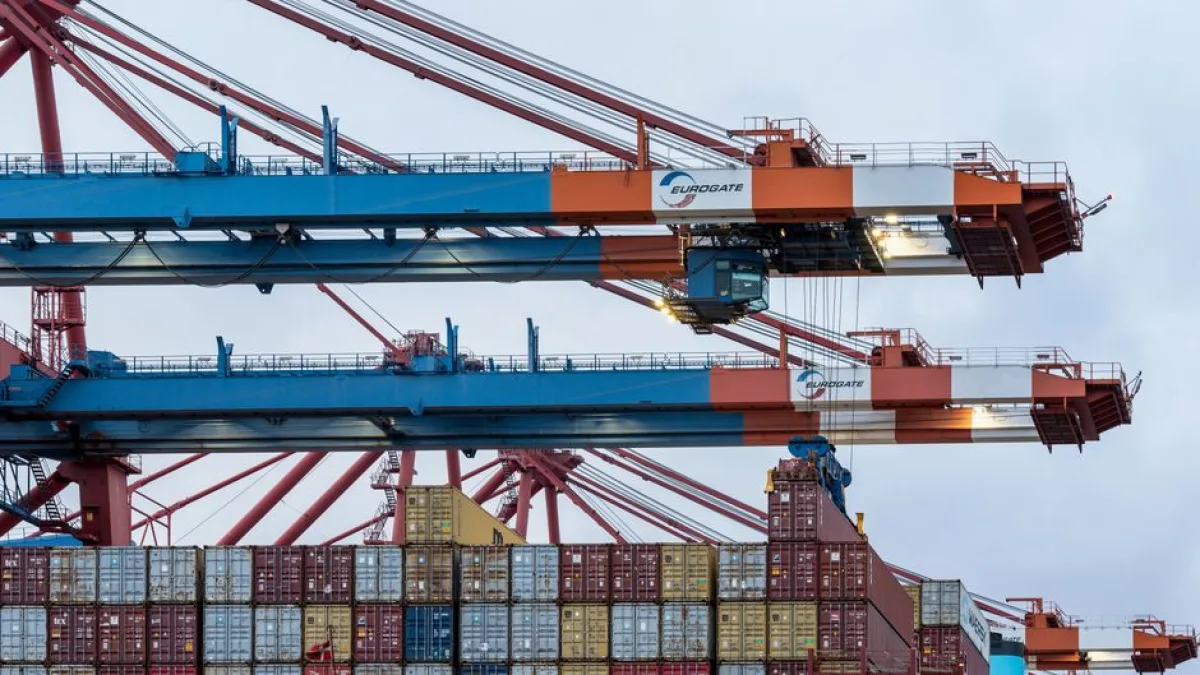
Integrating sophisticated tracking tools ensures that every stakeholder has immediate access to critical shipment updates. By centralizing data from multiple carriers, you create a single source of truth that simplifies communication and reduces the frequency of time-consuming status inquiries from clients.
- Automated status updates: Automatically send notification emails or portal alerts to customers whenever a container moves between key checkpoints to ensure they always stay informed about their ongoing freight shipment.
- Centralized data access: Consolidate information from various carriers and regional ports into one user-friendly dashboard that provides a clear overview of all your active international logistical operations today.
- Reduced manual queries: Decrease the daily volume of manual emails and phone calls by empowering your clients to view their tracking history directly through your branded customer logistics portal.
- Proactive exception management: Detect delays or routing changes as soon as they happen so your team can communicate potential issues and offer alternative solutions to customers before they escalate.
Achieving total transparency requires moving beyond basic spreadsheets and outdated legacy interfaces. Modern freight forwarders must prioritize cloud-based platforms that aggregate carrier data instantly. When your staff spends less time searching for tracking numbers and more time solving complex logistical challenges, the overall quality of service improves drastically. Start optimizing your visibility today to build deeper, more resilient partnerships with your global client base.
Leveraging Digital Logistics Platforms

The right software transforms how your team manages documentation and transit schedules. Utilizing a cloud-based platform allows for seamless collaboration across your entire organization, ensuring that everyone remains on the same page regarding current shipping priorities and specific client requirements.
- Seamless document sharing: Eliminate file version confusion by hosting all shipping invoices, bills of lading, and customs paperwork within a secure platform accessible to authorized team members globally.
- Enhanced team collaboration: Allow different departments to collaborate on specific shipments in real-time, which significantly reduces internal delays and improves the speed of processing your export documentation.
- Improved data accuracy: Remove the risk of manual entry errors by utilizing digital forms that pull data directly from client systems, ensuring consistency throughout the entire shipping process.
- Scalable operational growth: Support your increasing business volume by leveraging software that grows with your company, allowing for the addition of new users and clients with ease.
Technology acts as the backbone of every successful modern freight forwarding business. When you select a robust software platform, you effectively remove the operational bottlenecks that hinder rapid scaling and consistent service delivery. Investing in these digital capabilities allows you to focus on high-value tasks while the software handles repetitive administrative functions. Your team will appreciate the improved workflow and increased productivity levels.
Enhancing Customer Experience Standards

Customer satisfaction in the freight industry depends on how effectively you handle information transparency. Providing a superior experience means delivering clear, actionable insights through a professional interface that reflects your brand value and commitment to reliable, modern shipping solutions.
- Branded client portals: Offer your customers a dedicated, professional environment where they can track shipments and access documents under your specific company branding to reinforce brand loyalty.
- Transparent communication channels: Build lasting trust by providing open and honest updates regarding shipment statuses, even during unexpected delays or unforeseen global logistics challenges that may occur.
- Personalized notification settings: Allow your clients to choose their preferred method and frequency for receiving updates, ensuring they receive the information that matters most to their business.
- Efficient dispute resolution: Provide a clear digital record of all shipping events and communications, making it easier to resolve any discrepancies or disputes with clients and partners.
Clients are no longer just buying shipping space; they are buying the peace of mind that comes with knowing their goods are handled professionally. By focusing on the quality of your customer-facing tools, you differentiate your services from competitors who still rely on manual processes. Creating a frictionless experience builds long-term retention and encourages satisfied clients to recommend your services to others.
Predictive Analytics in Shipping

Harnessing the power of predictive analytics helps your team anticipate common disruptions before they impact your clients. By analyzing historical shipping data, you can identify patterns that might indicate future delays, allowing for more strategic planning and better overall route optimization.
- Identify potential bottlenecks: Analyze historical transit times to predict high-traffic periods at specific ports, allowing you to suggest alternate routes that avoid congestion and save your clients time.
- Optimize carrier selection: Review performance metrics for different shipping lines to ensure you are consistently recommending the most reliable and cost-effective carriers for your specific client needs.
- Data-driven decision making: Shift your strategy from reactive problem solving to proactive planning by utilizing actionable insights gathered from your own successful historical shipping data and trends.
- Cost reduction strategies: Leverage data to identify opportunities for reducing shipping costs, such as consolidating shipments or adjusting transit schedules to take advantage of better market rates.
Data is the most valuable asset in modern logistics management today. By integrating predictive analytics into your daily tracking operations, you move from being a simple service provider to a strategic logistics partner. This high-level insight allows you to offer proactive advice that saves your clients money and time. Stay ahead of the curve by turning raw data into your competitive advantage.
Conclusion

Transforming your shipping and tracking capabilities is no longer optional for forwarders who want to succeed in the modern era. By prioritizing real-time visibility, digital collaboration, and data-driven insights, you build a foundation for sustainable growth and client retention. Start your journey today by auditing your current tech stack and implementing the tools needed to deliver a truly world-class freight forwarding experience.