Mastering Modern Shipping and Tracking for Freight Forwarders
Friday, August 28 2026
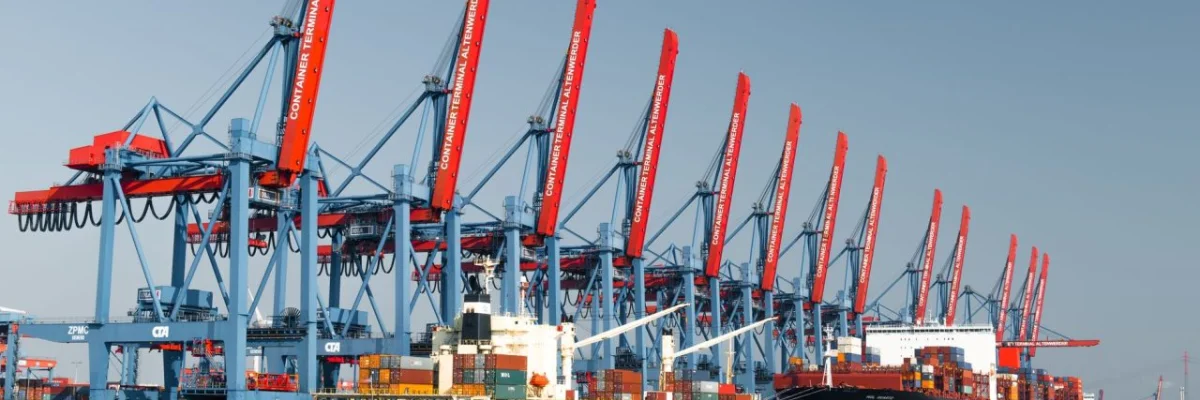
The global logistics landscape is undergoing a massive transformation driven by digitalization and the demand for real-time visibility. For freight forwarders, the ability to provide accurate and instantaneous shipping updates is no longer just an added value but a fundamental necessity for survival. Clients now expect total transparency from the moment a booking is confirmed until the final delivery at the warehouse. By leveraging cloud-based platforms like MakeCargo, forwarders can integrate tracking data seamlessly into their operations, reducing manual intervention while significantly boosting customer trust and operational efficiency in a highly competitive and complex international market.
Optimizing Real-Time Visibility
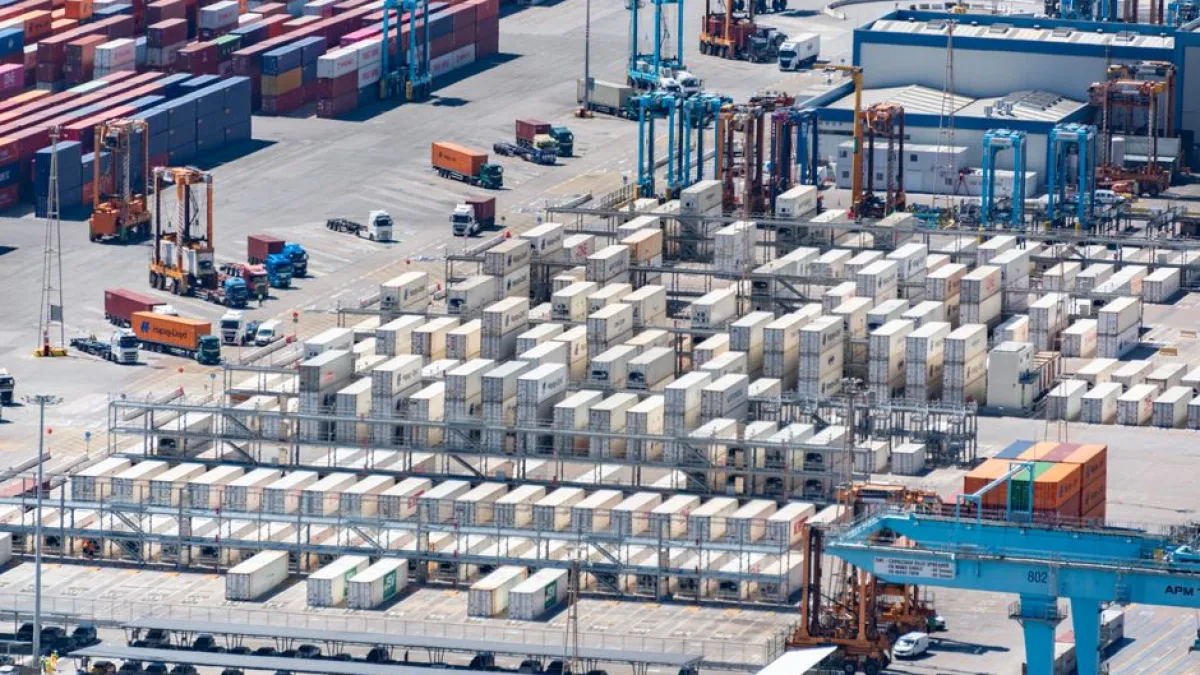
Real-time visibility acts as the backbone of modern freight forwarding, ensuring that stakeholders stay informed about the status of their cargo at every transit point. This proactive approach minimizes uncertainty and allows for rapid decision-making when inevitable shipping delays occur.
- Enhanced Data Accuracy: Automated tracking updates ensure that the information shared with clients is always current, eliminating the common errors associated with manual data entry and outdated spreadsheet management systems.
- Proactive Issue Resolution: Immediate notifications regarding container status changes allow logistics teams to anticipate potential bottlenecks and pivot strategies before small logistical challenges evolve into major, costly service failures.
- Client Trust Building: Providing customers with a transparent view of their shipments fosters stronger long-term relationships and establishes your brand as a reliable leader within the logistics industry.
- Reduced Manual Workload: Integrating live data feeds directly into your software platform automates status reporting, which saves your team significant time that can be better spent on complex operations.
By prioritizing visibility, forwarders can transform their service delivery models from reactive to proactive workflows. This transition is essential for scaling operations effectively while maintaining high satisfaction levels among diverse client bases. Leveraging modern cloud technology ensures that every movement is recorded and visible, giving your team the power to manage exceptions without compromising the integrity of your overall supply chain logistics strategy.
Streamlining Global Documentation

Managing shipment documentation often creates administrative burdens that slow down the entire supply chain. Digitizing these processes is a critical step for forwarders who want to ensure compliance and maintain a high velocity of goods across international borders.
- Automated Filing Systems: Cloud-based document management allows for instant retrieval and storage of invoices, bills of lading, and customs declarations, keeping your essential files organized and easily accessible.
- Compliance Error Reduction: Standardized digital templates help ensure that every required field is filled correctly, which minimizes the risk of costly customs delays due to missing or inaccurate information.
- Secure Cloud Storage: Protecting sensitive client data through robust encryption and automated backups ensures that your business remains compliant with global security standards and internal privacy policy requirements.
- Streamlined Approval Flows: Digital workflows facilitate faster signatures and approvals from partners or clients, which significantly shortens the lead time required to finalize critical shipping documents before cargo departure.
Efficient documentation management directly influences how quickly your cargo moves from origin to destination without unnecessary friction. By centralizing all shipping paperwork within a unified software interface, you create a source of truth for your entire organization. This structural improvement prevents information silos and ensures that your operations remain audit-ready, secure, and prepared for the challenges of modern global trade compliance.
Integrating Automated Carrier Updates

Direct integration with ocean and air carriers provides a continuous flow of data that keeps your operations synchronized. This level of connectivity is what differentiates a modern logistics provider from traditional competitors struggling with legacy communication methods.
- Unified Data Streams: Connecting your platform directly to major carrier APIs creates a seamless stream of information that updates your system status automatically without needing manual manual refreshing.
- Direct Carrier Communication: Automated status triggers allow your software to communicate directly with shipping lines, ensuring that your team receives immediate updates regarding vessel schedules and port movements.
- Multi-Carrier Support: Managing diverse tracking requirements across multiple carriers becomes simplified when your software consolidates disparate data formats into one clear, readable dashboard for your internal team.
- Exception Management Tools: Smart alerts notify your operations managers specifically when carrier schedules deviate from the original plan, allowing for immediate corrective action and communication with impacted end customers.
Synchronizing your internal systems with carrier data is essential for maintaining accuracy in a fast-paced environment. It eliminates the frustration of checking individual carrier websites manually, freeing your staff to focus on high-value logistics tasks. By consolidating carrier updates into one intuitive dashboard, you enhance your operational response time, ensuring that your cargo moves as efficiently as possible through the global supply network.
Leveraging Advanced Analytics Tools

Data analytics offer a strategic advantage by revealing patterns in shipping performance and resource utilization. Forwarders who harness these insights gain a deeper understanding of their costs, transit times, and overall operational performance across different trade lanes.
- Transit Time Analysis: Evaluating historical performance data helps identify which routes or carriers consistently meet their service level agreements, allowing for better future planning and more accurate client quotes.
- Operational Cost Control: Detailed reporting on every shipment enables your team to pinpoint areas of waste, helping to optimize spending and improve overall profit margins for the company.
- Customized Performance Reports: Generating tailored reports for your key clients demonstrates your commitment to their success and provides them with the actionable insights they need to optimize supply.
- Informed Strategic Decisions: Using empirical data to guide your growth strategy ensures that your business investments are backed by evidence rather than intuition, leading to more sustainable long-term success.
Analytics are not just for large enterprises but are vital tools for any freight forwarder seeking to thrive. By transforming raw tracking data into meaningful business intelligence, you empower your team to make decisions that drive efficiency. Consistent monitoring of your performance metrics will reveal hidden opportunities for optimization, ultimately securing your position as a data-driven partner in a complex global economy.
Conclusion

Modernizing your shipping and tracking operations is vital for maintaining relevance in the fast-paced logistics sector. By utilizing integrated digital platforms, freight forwarders can provide superior transparency, reduce manual labor, and drive strategic growth through data-driven decisions. Embrace these technological advancements today to streamline your workflows, satisfy your clients, and build a more resilient, competitive business that is prepared for future industry demands.