Mastering Modern Shipping and Tracking for Freight Forwarders
Friday, August 28 2026
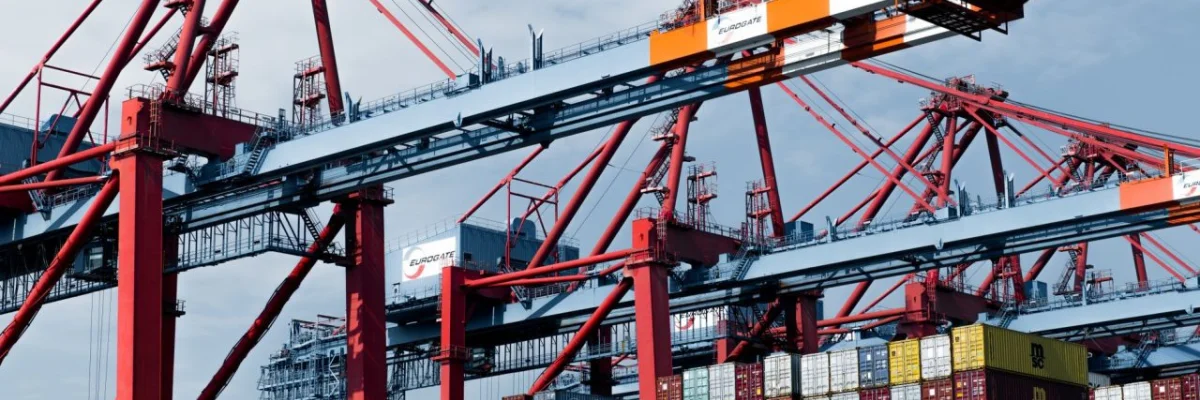
In the fast-paced world of logistics, visibility has become the most valuable currency for freight forwarders striving to maintain a competitive advantage. As global supply chains face increasing complexity and unpredictable disruptions, the ability to provide real-time updates is no longer a luxury but an absolute requirement for client retention. By leveraging advanced digital platforms, forwarders can transform opaque shipping processes into transparent workflows that empower stakeholders. This shift not only builds deep trust with your customers but also optimizes operational efficiency, ensuring that cargo moves seamlessly from origin to destination while reducing the risk of costly communication delays.
The Evolution of Real-time Visibility
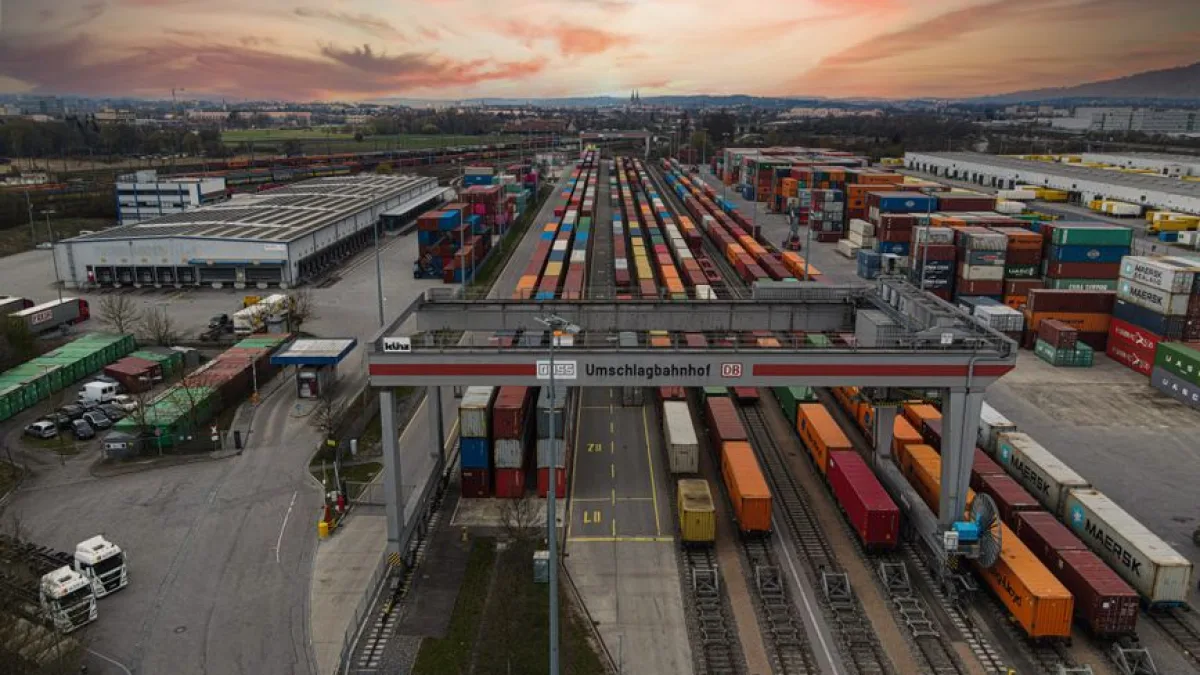
Modern tracking tools allow forwarders to monitor shipments across multiple transit points with precision. By integrating live data feeds, logistics professionals can proactively address potential bottlenecks before they escalate, ensuring that every participant remains informed throughout the entire complex international journey.
- Automated status updates: Eliminate manual data entry tasks by utilizing automated tracking systems that push notifications to clients instantly whenever their cargo reaches a significant transit milestone or location.
- Predictive arrival forecasting: Use historical data and current transit conditions to provide accurate estimated arrival times that help your customers manage their own warehouse labor and inventory schedules efficiently.
- Exception management alerts: Receive immediate notifications for delays or unexpected port congestion which allows you to pivot your shipping strategy quickly and communicate solutions before customers become frustrated.
- Centralized data access: Consolidate all tracking information into a single cloud-based portal so your team can view current shipment statuses without searching through disjointed email chains or spreadsheets.
- Improved customer trust: Provide your clients with a professional self-service tracking interface that reduces the need for manual status requests while increasing overall satisfaction with your logistics services.
Adopting sophisticated visibility tools is a foundational step for any growing freight forwarding business. When you provide transparent updates, you position your firm as a reliable partner capable of handling intricate supply chain demands. This proactive stance effectively minimizes uncertainty, fosters long-term business relationships, and elevates your reputation as a high-tech service provider in an industry that is increasingly demanding rapid, accurate digital information flow.
Optimizing Global Port Operations
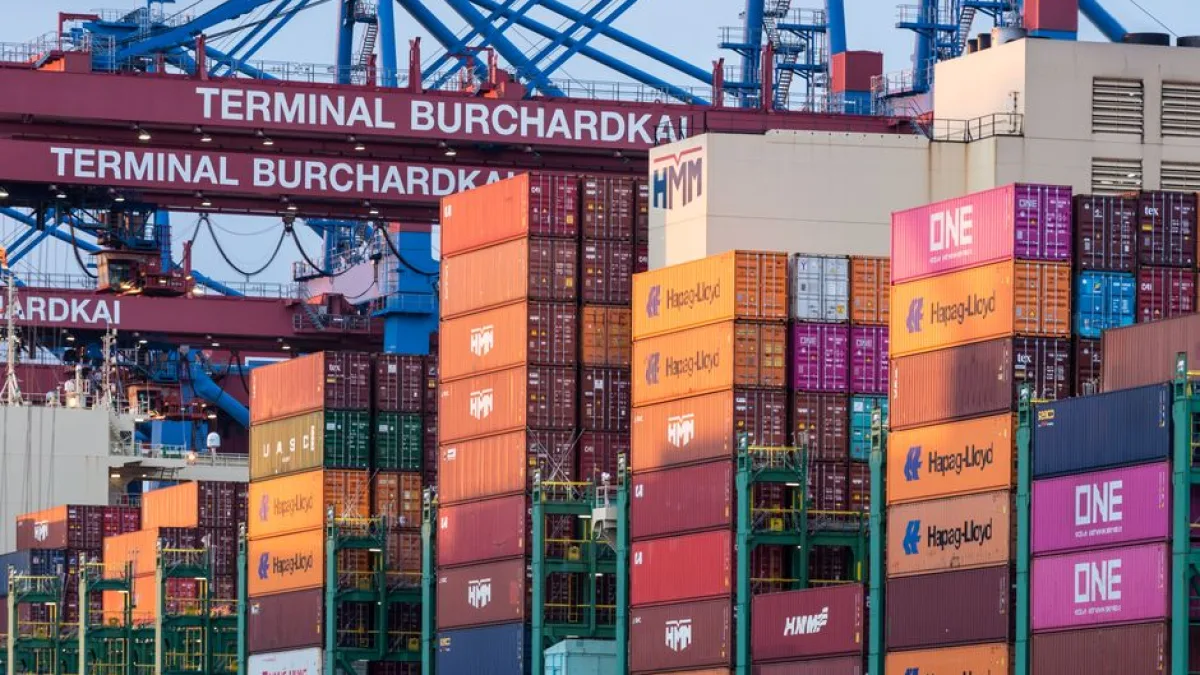
Port operations represent a critical phase where cargo movement is often slowed by administrative overhead or coordination errors. Streamlining these interactions through digital platforms ensures that containers are processed faster and documentation is verified without the usual manual delays found in legacy systems.
- Electronic document submission: Transition from paper based filing to secure electronic document management systems that speed up customs clearance and reduce the risk of lost or misplaced paperwork.
- Real time port updates: Gain visibility into port congestion levels and terminal activity so your team can schedule pick-ups and deliveries during off-peak hours for better results.
- Integrated communication channels: Connect with local port authorities and carriers directly within your software platform to resolve discrepancies immediately rather than waiting for slow external responses from others.
- Automated scheduling workflows: Coordinate ground transport and container unloading times with ease by using digital calendars that sync directly with the status of your incoming sea freight.
- Compliance tracking tools: Maintain rigorous adherence to international shipping regulations and local laws by using built-in checklists that guide your team through necessary export or import steps.
Efficiency at the port level directly translates to faster transit times and lower costs for your clients. By automating the coordination between carriers and terminals, you eliminate the friction that often stalls cargo movement. Forwarders who prioritize these digital workflows manage to avoid common pitfalls, resulting in a leaner supply chain that is prepared for growth and capable of handling higher volumes without extra personnel.
Enhancing Transparency with Clients

Providing clients with a clear view into their shipping process is the most effective way to demonstrate your professional value. When customers feel empowered by information, they are far more likely to remain loyal to your services despite global market price fluctuations.
- Customizable client portals: Create branded dashboard experiences where your customers can log in to view their own unique cargo information, documents, and transit history in one place.
- Proactive status notifications: Send automatic email or SMS alerts to stakeholders, ensuring they are always in the loop without needing to contact your team for manual status updates.
- Historical shipment reports: Provide detailed analytics and reporting tools that help your clients review their own shipping patterns and identify areas to optimize for future budget savings.
- Secure document sharing: Manage sensitive shipping files in a protected digital environment that allows for easy access and collaboration between your firm and your diverse customers.
- Multi-user permission levels: Control exactly who sees which piece of information by setting specific access rights for different customer contacts to ensure data security and professional privacy.
Transparent communication is the cornerstone of a successful logistics partnership. By giving your clients access to accurate tracking data, you effectively reduce their anxiety and build a relationship rooted in accountability. This high level of service differentiates your brand in a crowded market, making your freight forwarding services the preferred choice for companies that demand clarity and reliability in their complex supply chain operations.
The Role of Data Analytics

Data is the engine that drives informed decision making in the shipping industry today. By analyzing past performance and tracking metrics, freight forwarders can uncover hidden inefficiencies, refine their carrier selections, and negotiate better rates based on actual performance rather than guesswork.
- Carrier performance metrics: Evaluate the speed and reliability of your transport partners by reviewing historical tracking data to ensure you are only working with the best providers.
- Cost analysis tools: Break down shipping expenses by route or carrier to identify where your margins are being affected and find new ways to improve total profitability.
- Predictive market modeling: Analyze long term shipping trends and seasonal demand shifts to prepare your operations for peak seasons well in advance of any major disruptions.
- Bottleneck identification reports: Review data to find recurring delays at specific locations or with certain processes, allowing you to implement permanent fixes that improve your overall service.
- Operational efficiency benchmarking: Compare your internal team performance against industry standards to ensure your processes remain agile, cost effective, and aligned with the latest global logistics practices.
Data analytics transforms raw numbers into actionable intelligence that guides your strategic planning. Forwarders who utilize these insights can make smarter choices regarding routes, carriers, and resource allocation. This leads to a more resilient business model that thrives on precision and performance metrics. Embracing an analytical mindset allows you to move beyond basic shipping services and provide strategic value that keeps your customers thriving.
Conclusion
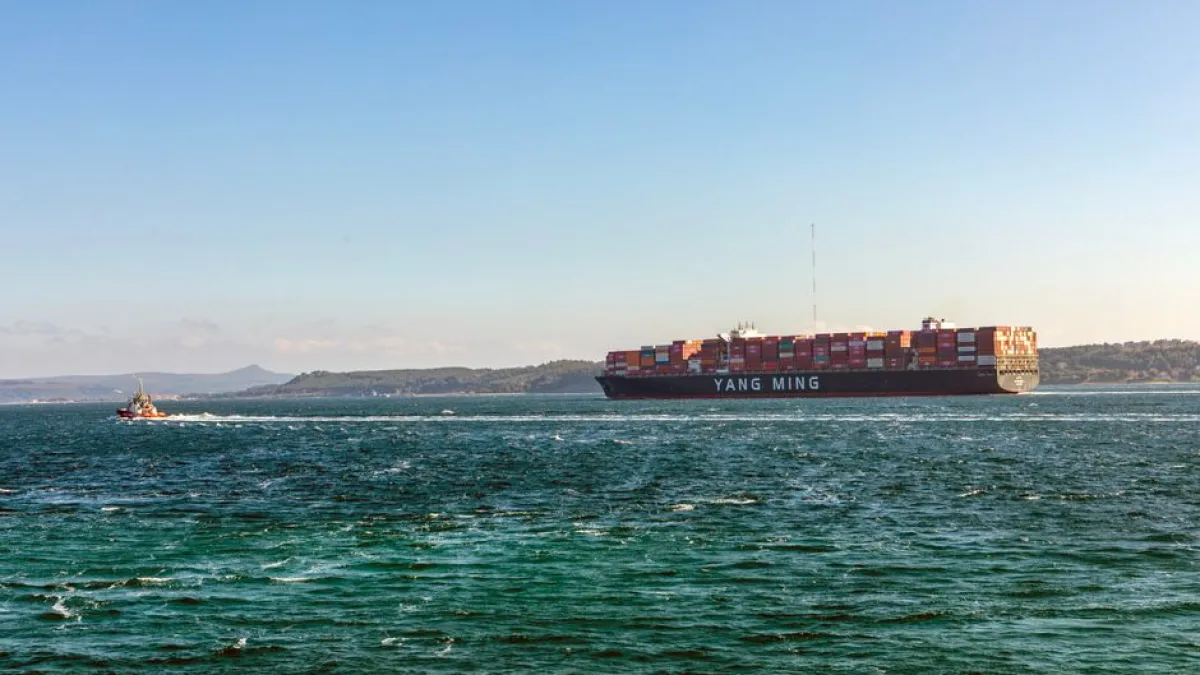
Modernizing your shipping and tracking approach is essential for long-term success in freight forwarding. By embracing digital integration, enhancing visibility, and utilizing powerful analytics, you empower your team to work smarter while providing superior value to your clients. Start optimizing your operations today with MakeCargo to ensure your logistics processes remain efficient, transparent, and fully prepared for the future of global trade.