Mastering Modern Shipping and Tracking for Freight Forwarders
Saturday, August 29 2026
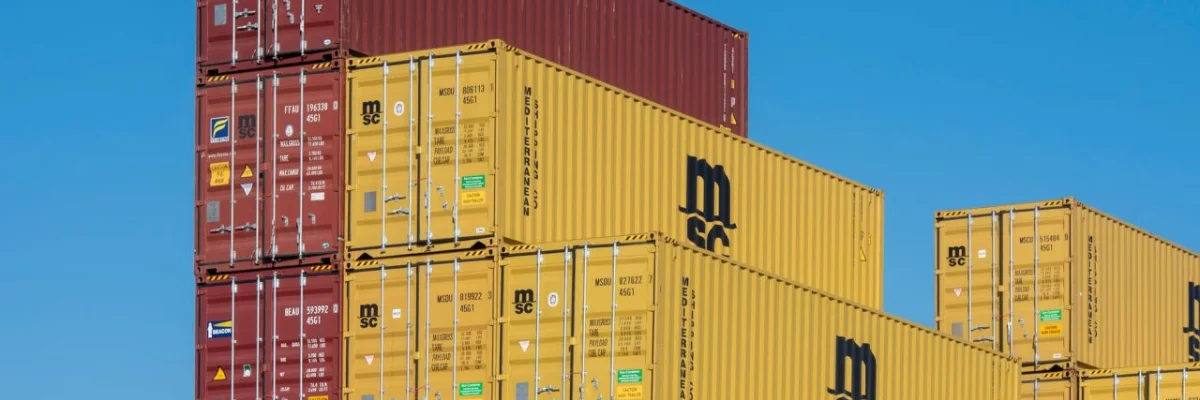
In the fast-paced world of international logistics, the ability to provide real-time visibility is no longer a luxury but a fundamental necessity for freight forwarders. Clients now expect instantaneous updates on their cargo status, from the moment a container leaves the factory floor to the final delivery at the warehouse. As global supply chains face increasing complexity and disruptions, leveraging sophisticated tracking technology becomes the primary differentiator for competitive logistics firms. By adopting a digital-first approach to shipping management, forwarders can enhance transparency, improve operational efficiency, and build long-term trust with their global partners through accurate, data-driven insights.
The Evolution of Visibility
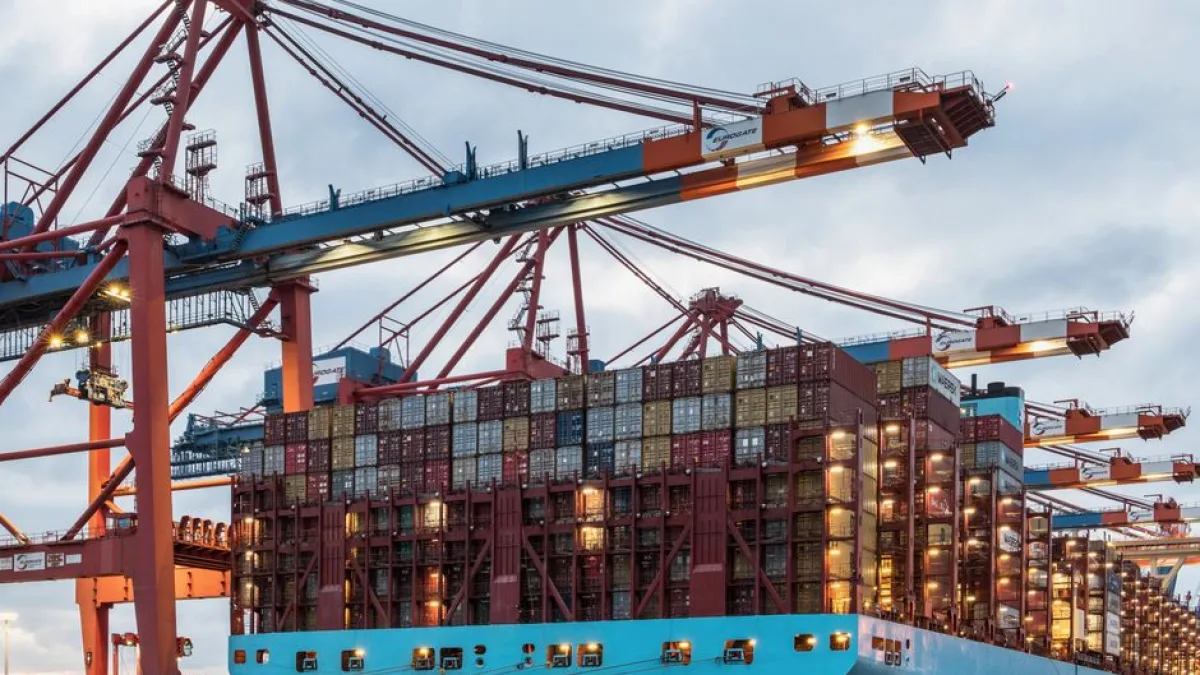
Visibility has moved beyond simple status updates to include granular data points that reveal the heartbeat of a shipment. Modern software platforms aggregate diverse data streams to provide a comprehensive look at the entire journey across all modes of transportation.
- Real-time data integration: Automated systems collect information from carriers and GPS trackers to ensure that every stakeholder views the same accurate location data without needing manual data entry processes.
- Proactive exception management: Advanced software alerts your operations team about potential delays before they impact delivery schedules, allowing you to find alternative routes or solutions for your valuable clients.
- Enhanced client portals: Providing customers with a branded portal empowers them to self-serve their tracking needs, significantly reducing the volume of status inquiries handled by your customer support teams.
- Data driven decision making: Analyzing historical tracking data helps your company identify recurring bottlenecks and optimize future shipping strategies for improved transit times and lower overall operational costs today.
Forwarders who embrace this evolution find themselves better equipped to handle the demands of modern commerce. By centralizing information within a cloud-based platform, you transform tracking from a reactive communication chore into a strategic asset. This shift not only saves precious administrative time but also positions your company as a reliable leader in a market that increasingly values transparency, speed, and proactive operational management.
Optimizing Shipment Lifecycle Management

Managing the lifecycle of a shipment requires precise coordination and constant monitoring of various milestones. Utilizing automated workflow tools ensures that no task is overlooked, keeping every leg of the journey aligned with the planned schedule and budget requirements.
- Automated milestone updates: Freight forwarding systems automatically trigger notifications when shipments reach specific geographic or status milestones, ensuring that your communication remains consistent and highly reliable for partners.
- Document management centralization: Keep all shipping documents like bills of lading and commercial invoices linked directly to the specific tracking record for quick access by internal team members.
- Workflow automation benefits: Reducing repetitive manual tasks allows your team to focus on high-value activities such as solving complex logistical problems and strengthening key relationships with international shipping clients.
- Standardized operational procedures: Consistent digital workflows ensure that every shipment follows the same quality standards regardless of the specific route or carrier involved in the complex logistics chain.
Integrating these management tools into your daily workflow leads to a substantial reduction in human error. When your team spends less time hunting for documentation or manually updating spreadsheets, they gain more capacity to handle growth. Investing in digital lifecycle management is the most effective way to scale your freight forwarding operations while maintaining high quality service standards across all your global shipments.
Managing Exceptions and Delays
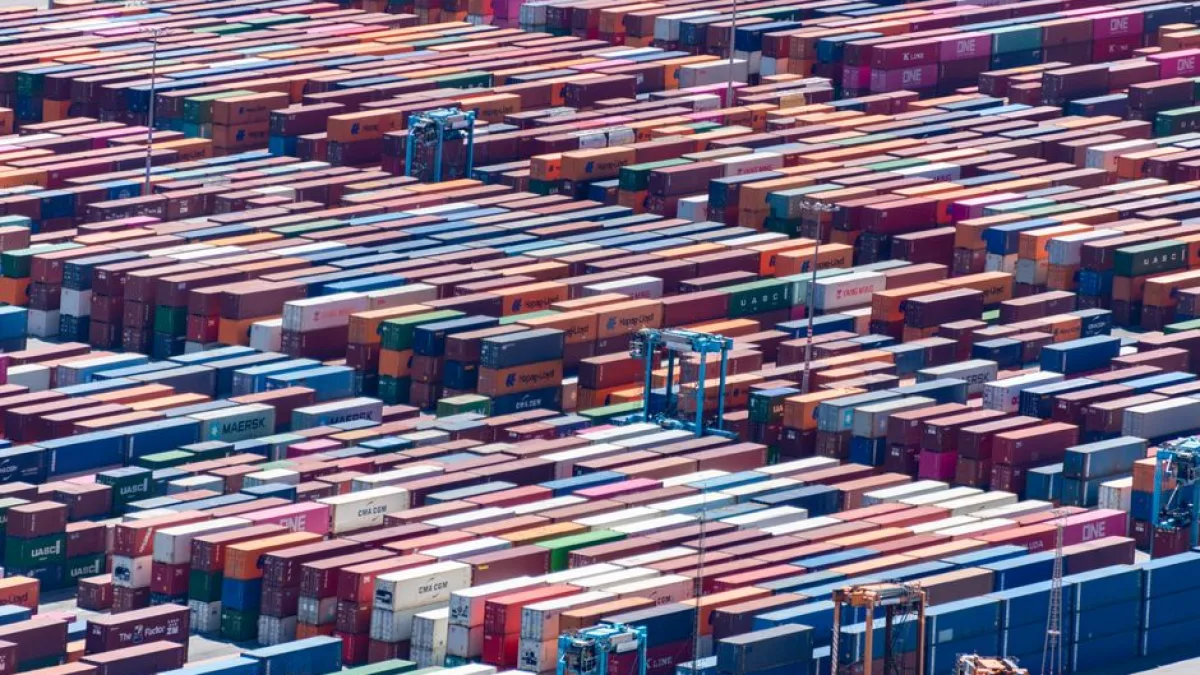
Disruptions are inevitable in international freight, making the speed at which you respond to exceptions critical. Identifying problems early gives you the leverage needed to negotiate solutions and protect your clients from the cascading effects of shipping delays.
- Predictive delay analytics: Utilizing smart software allows you to foresee potential port congestion or weather disruptions early, enabling proactive planning to minimize the impact on final delivery times.
- Automated alert triggers: Custom notification rules allow your operations team to stay informed about specific high-risk shipments, ensuring that immediate action is taken if a container falls behind.
- Collaborative resolution tools: Cloud platforms facilitate seamless communication between agents, carriers, and clients, ensuring everyone stays aligned during complex re-routing processes or unexpected adjustments to the shipping plan.
- Detailed performance reporting: Tracking delay patterns over time provides the insights needed to evaluate carrier performance and make better decisions when selecting shipping partners for future freight projects.
Handling exceptions effectively builds immense loyalty among your client base. Even when things go wrong, a forwarder who provides early notice and a clear resolution plan is viewed as a partner rather than just a vendor. By mastering the art of exception management, you create a safety net for your operations, ensuring that minor glitches do not result in significant financial losses.
Future Trends in Shipping Visibility
The future of logistics is rooted in the convergence of artificial intelligence and global connectivity. Emerging technologies are changing how we perceive freight movement, turning static tracking data into dynamic insights that predict future outcomes with incredible speed and high accuracy.
- AI powered logistics insights: Machine learning algorithms analyze vast datasets to predict transit times with greater precision, helping your team provide realistic expectations to clients before the shipment even departs.
- Internet of Things growth: Expanding the use of IoT sensors allows for precise monitoring of temperature and humidity, which is vital for businesses handling sensitive pharmaceutical or perishable food cargo.
- Unified cloud infrastructure: As more stakeholders join connected digital ecosystems, data sharing becomes frictionless, eliminating silos and allowing for total visibility across the entire global supply chain network.
- Sustainable shipping monitoring: Tracking carbon emissions is becoming an essential part of the shipping process as clients demand greener logistics solutions and transparent environmental impact data for goods.
Preparing for these technological shifts ensures that your forwarding business stays relevant in an ever-changing landscape. By adopting these advanced tools now, you set the foundation for long-term growth and technical agility. The companies that successfully integrate these emerging trends into their daily operations will undoubtedly lead the industry, offering unmatched value to their clients through superior digital logistics and visibility.
Conclusion

Success in modern freight forwarding depends on your ability to leverage technology for superior shipping and tracking outcomes. By embracing automated visibility, proactive exception management, and cloud-based operations, you improve both efficiency and client satisfaction. Start integrating these digital strategies today to streamline your logistics workflows, reduce manual errors, and scale your business with confidence in the increasingly complex global supply chain market.