Mastering Modern Shipping and Tracking for Freight Forwarders
Sunday, August 30 2026
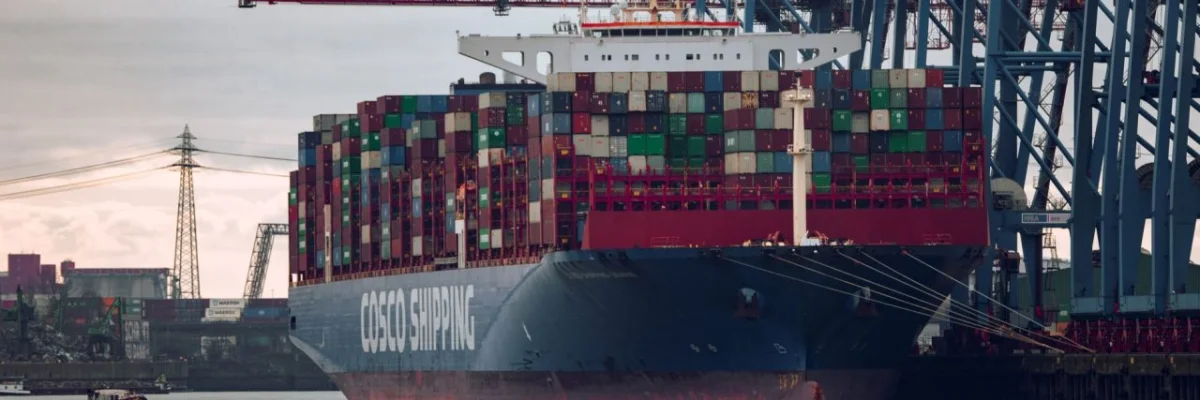
The global logistics landscape is undergoing a massive transformation driven by digitalization and the demand for absolute transparency. For modern freight forwarders, the ability to provide real-time updates and seamless cargo visibility is no longer just a luxury but a fundamental necessity for client retention. As supply chains grow more complex, integrating advanced shipping and tracking technology into daily workflows allows teams to anticipate bottlenecks before they happen. By embracing cloud-based platforms, forwarders can finally transition from reactive fire-fighting to proactive management, ensuring that every shipment arrives on schedule while maintaining clear communication with stakeholders throughout the entire journey.
The Evolution of Visibility
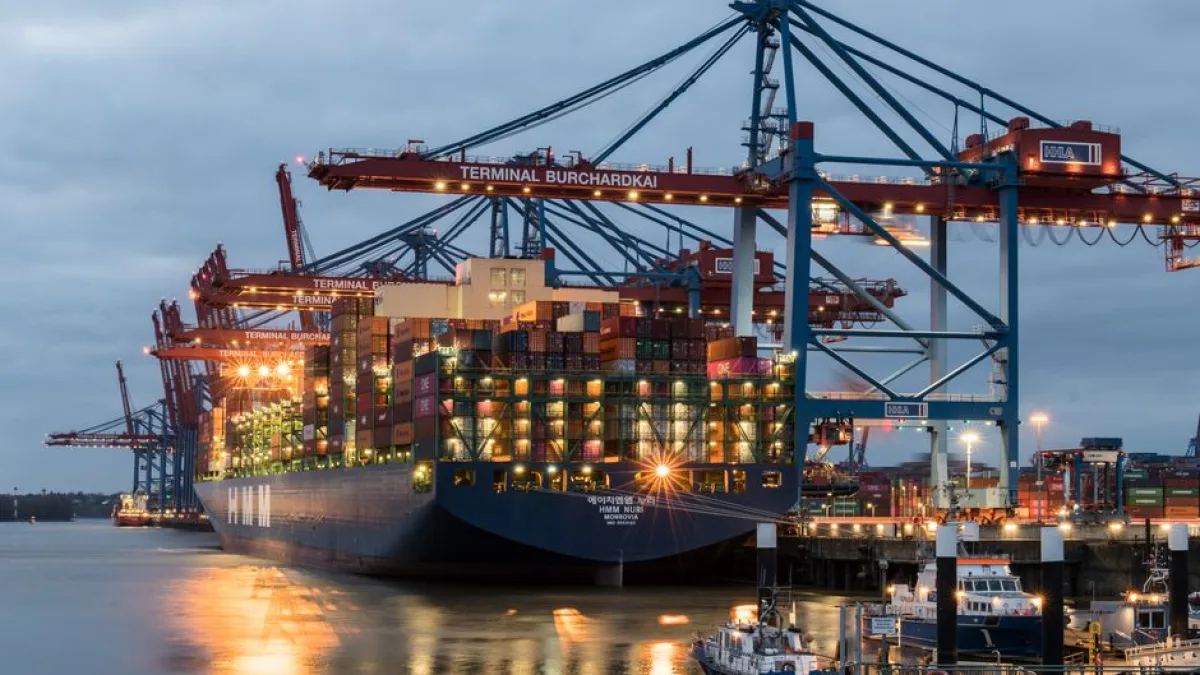
Digital tools now replace traditional spreadsheets by providing instant access to shipment milestones. Tracking technology allows logistics professionals to monitor vessel positions, port congestion, and customs clearance status in a single centralized dashboard to improve operational efficiency and decision-making.
- Automated Tracking Updates: Advanced cloud systems automatically sync with carrier data feeds to provide customers with precise location information without manual data entry or constant email follow-up tasks.
- Real-time Vessel Status: Logistics professionals gain immediate insights into vessel movements and oceanic delays, allowing them to adjust schedules and inform clients about potential arrivals accurately and efficiently.
- Proactive Issue Mitigation: By identifying tracking anomalies early, teams can resolve documentation errors or carrier disputes before they escalate into costly delays that affect the final delivery deadline.
- Unified Data Access: Centralized platforms consolidate information from multiple shipping lines, providing a single source of truth for freight forwarders to manage diverse accounts with total clarity.
Adopting automated tracking systems eliminates the human error inherent in manual entry. By consolidating data streams into one interface, freight forwarders reduce the time spent chasing updates across various carrier portals. This shift empowers teams to focus on high-value tasks such as strategic planning and customer service. Ultimately, the transition to digital visibility fosters deeper trust and strengthens long-term partnerships with global shipping clients.
Optimizing Port Logistics
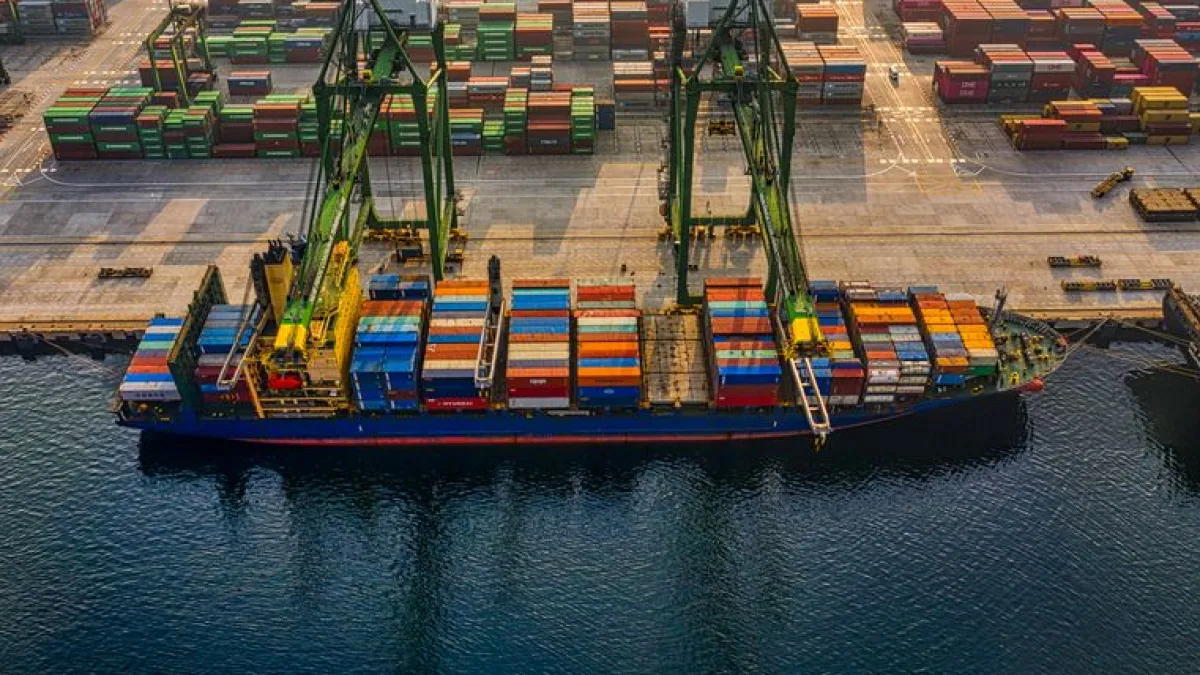
Navigating terminal operations requires precise timing and coordination. Modern software solutions help forwarders synchronize arrivals with drayage availability, ensuring that cargo moves swiftly through busy ports without incurring heavy demurrage charges or facing unnecessary storage fees for clients.
- Demurrage Risk Management: Digital notifications alert users when containers are approaching free time limits, allowing forwarders to prioritize releases and avoid expensive penalties at congested port facilities.
- Drayage Coordination Efficiency: Integrated software matches container readiness with available trucking capacity, streamlining the hand-off process between sea transit and inland transportation for a faster final mile.
- Customs Clearance Tracking: Dedicated modules monitor customs status updates, ensuring that compliance hurdles are cleared immediately upon cargo arrival to prevent unexpected holds at the terminal.
- Yard Management Visibility: Tracking specific container locations within the yard helps warehouse staff prepare for arrivals, reducing handling times and improving overall distribution center throughput speeds.
Port operations represent a high-risk phase where small delays often lead to significant financial consequences. By leveraging cloud software, forwarders gain the foresight needed to manage terminal throughput effectively. Controlling these complex variables reduces costs and ensures that cargo flows smoothly from vessel to destination. Investing in better tracking tools at this stage provides a competitive edge in managing international supply chains.
Enhancing Customer Communication

Providing clients with a transparent view of their supply chain builds immense value. Modern customer portals allow stakeholders to access shipping status, documentation, and history independently, reducing the volume of status inquiries and freeing up time for your team.
- Self-Service Portals: Clients gain direct access to their shipment history and current status, enabling them to retrieve tracking information at any time without calling your office.
- Automated Milestone Notifications: Configurable alerts keep customers updated on critical events like departure, arrival, or clearance, ensuring they feel supported through every phase of the shipping process.
- Digital Document Sharing: Securely uploading bills of lading and invoices to a shared portal ensures that all relevant parties have the documents needed for successful processing.
- Customizable Reporting Tools: Freight forwarders can generate branded performance reports for clients, showcasing delivery accuracy and efficiency metrics to reinforce the value of the partnership.
Transparent communication is the cornerstone of professional freight forwarding services. When clients have visibility, their satisfaction increases, leading to higher retention and more referral business. By automating the sharing of shipment milestones and essential documentation, you transform the client experience from a transactional exchange into a strategic collaboration. This level of service differentiates your firm from competitors who rely on outdated manual workflows.
Data-Driven Operational Growth
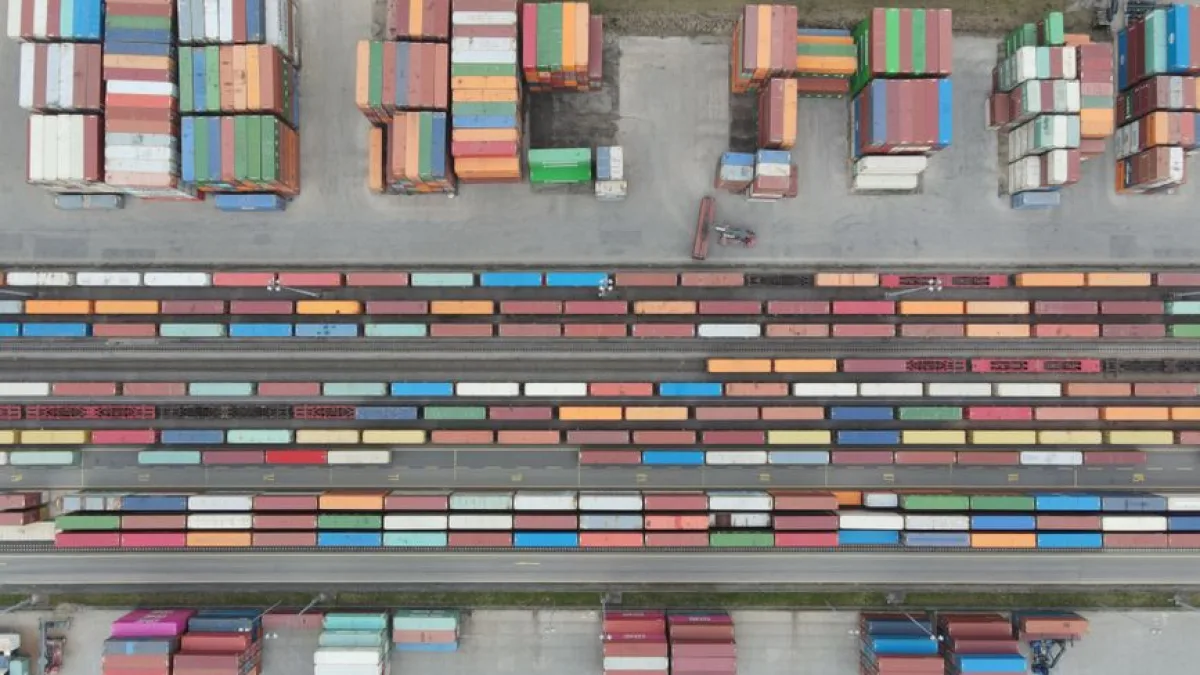
Data analytics provide the foundation for scaling a freight forwarding business. By analyzing historical tracking performance, forwarders can identify recurring delay patterns, optimize carrier selection, and streamline their internal processes to improve overall shipping profitability and reliability for customers.
- Carrier Performance Analysis: Tracking software collects data on transit times and delays, helping forwarders identify which shipping lines offer the best reliability for specific trade lanes.
- Historical Trend Reporting: Analyzing past shipping performance helps management predict seasonal fluctuations, allowing teams to prepare for capacity demands and optimize pricing strategies for clients.
- Internal Workflow Audits: Digital logs reveal bottlenecks in manual processes, enabling managers to implement software automations that save time and reduce labor costs across the firm.
- Profitability Benchmarking: Evaluating shipping costs against transit performance provides insights into which accounts generate the best margins, guiding your future business development efforts and sales.
Data is the most valuable asset for a modern logistics firm. By utilizing the information gathered from your shipping and tracking software, you make informed decisions that drive efficiency and revenue growth. Shifting focus toward analytical insights allows for continuous improvement in your service delivery. This proactive approach ensures your freight forwarding company remains resilient and adaptable in an ever-changing global economy.
Conclusion
Technology has fundamentally changed how freight forwarders handle shipping and tracking, offering new ways to improve efficiency. By centralizing data and automating updates, you provide clients with the transparency they demand while optimizing your own internal operations. Start modernizing your workflow today to stay ahead in the competitive logistics industry and deliver exceptional value to every customer across your global network.