Mastering Modern Shipping and Tracking for Freight Forwarders
Wednesday, September 2 2026

The global logistics landscape is undergoing a rapid digital transformation that demands unprecedented levels of transparency and precision from freight forwarders. As cargo complexity increases, the ability to provide real-time visibility has evolved from a competitive advantage into a baseline industry requirement. Forwarders must now navigate fragmented data streams and evolving customer expectations while maintaining operational efficiency across international borders. By adopting centralized tracking technology, professionals can bridge the gap between complex port operations and client needs. This guide explores how advanced software solutions empower your team to optimize tracking workflows, reduce manual data entry, and enhance overall cargo visibility for your partners.
The Digital Visibility Mandate

Digital visibility tools allow freight forwarders to monitor shipments across multiple transit nodes simultaneously. By integrating data from various carriers into one interface, your team can proactively identify delays before they impact delivery timelines or disrupt critical client supply chain operations.
- Automated status updates: Real-time synchronization eliminates the need for manual check-ins, allowing your team to receive automated notifications regarding vessel departures, arrivals, and any unexpected transit schedule deviations instantly.
- Unified tracking data: Consolidating fragmented information from steamship lines and regional carriers into one cloud platform ensures that all stakeholders access consistent data regarding their specific cargo status.
- Proactive delay management: Early warning systems provide the necessary buffer time to adjust logistics plans, ensuring that potential issues are addressed before they cause significant project delays.
- Client portal access: Providing customers with secure login access to their own tracking metrics increases trust and reduces the volume of repetitive status inquiry emails for staff.
Adopting a unified digital visibility strategy transforms your internal operations and external reputation. By moving away from manual email updates and fragmented spreadsheets, you empower your staff to focus on higher value tasks rather than routine information gathering. This shift not only improves internal productivity but also builds long-term loyalty with clients who appreciate accurate data delivered consistently through your intuitive and reliable software interface.
Leveraging Real-Time Data Analytics

Data analytics play a pivotal role in refining shipping strategies by uncovering hidden patterns in transit times and carrier performance. Forwarders who utilize these insights can make informed decisions that reduce costs and improve the reliability of their shipping routes.
- Carrier performance benchmarking: Detailed analytics reports allow you to compare the reliability of various carriers, helping you select the best partners for specific trade lanes and cargo types.
- Predictive transit forecasting: Machine learning algorithms analyze historical shipping data to provide more accurate estimates for arrival times, accounting for seasonal bottlenecks and common port congestion issues.
- Route optimization insights: Identifying common points of failure in complex transport routes enables your logistics team to design more resilient supply chains that withstand unexpected regional disruptions.
- Cost trend analysis: Tracking expenditures against transit performance helps you identify where budget allocations are most effective and where potential savings can be captured during contract negotiations.
Harnessing raw data effectively provides a significant edge in a competitive market environment. When you translate complex tracking logs into actionable business intelligence, you improve the quality of every decision made within your operations team. This shift toward evidence based logistics management ensures that your firm remains agile and responsive, maintaining high service levels while simultaneously reducing overhead expenses and improving delivery performance metrics.
Optimizing Communication Workflows
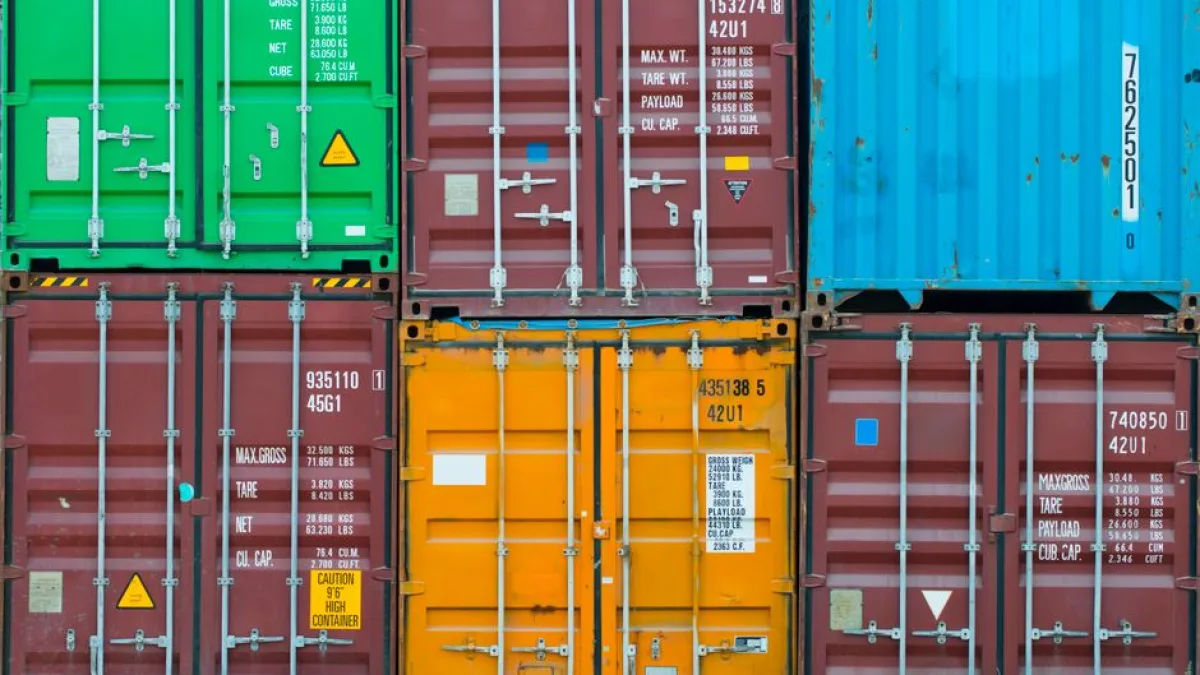
Effective communication is the backbone of successful logistics management because it ensures that all parties are aligned throughout the entire transit process. Streamlined messaging tools integrated directly into your tracking software minimize the risk of critical information being lost.
- Centralized conversation logs: Keeping every email and message attached to the specific shipment file ensures that your entire team can access relevant history during handover periods.
- Automated stakeholder notifications: Configure custom triggers that alert specific partners or clients whenever a shipment moves through critical milestones, reducing the burden of manual status reporting.
- Instant internal tagging: Enable your team members to tag colleagues on specific shipment tasks to ensure that important questions or urgent issues receive immediate internal attention.
- Standardized response templates: Use pre-defined templates for common customer inquiries to save time while ensuring that your brand communication remains professional, consistent, and highly informative for clients.
Optimized communication reduces errors that frequently plague international freight forwarding operations. When data is shared effortlessly between your staff and your clients, you create a seamless experience that minimizes confusion during complex transit scenarios. Investing in communication features within your cloud platform ensures that your firm operates as a cohesive unit, allowing for faster problem resolution and superior customer service delivery every day.
Ensuring Supply Chain Transparency
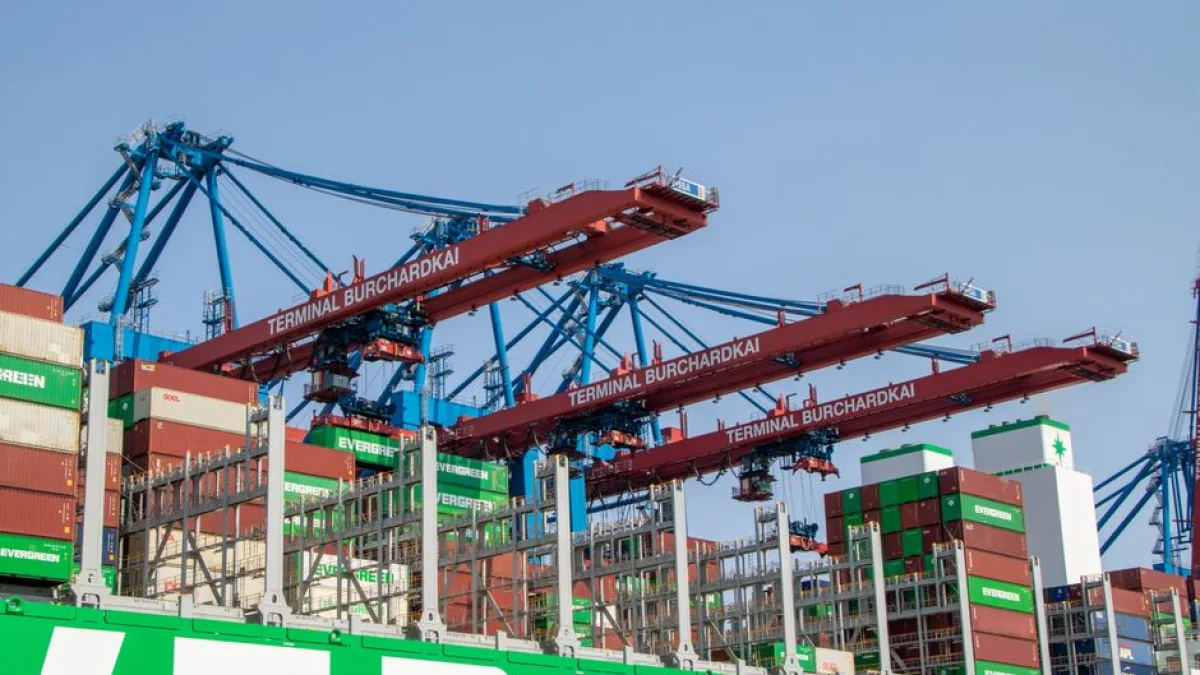
Transparency builds trust in an era where customers expect complete clarity regarding the location and condition of their goods. By providing granular tracking details, forwarders prove their commitment to service excellence and reliability in every single shipment handled.
- Granular milestone tracking: Offer your clients detailed visibility beyond port arrivals, including information on customs clearance status, inland transport pickups, and final mile distribution milestone completion steps.
- Document management integration: Linking essential shipping documents directly to the tracking record allows clients to download manifests and invoices without needing to request files separately by email.
- Exception alert thresholds: Set custom parameters for delays or location deviations to ensure that your team is notified immediately if a shipment veers from its planned route.
- Secure data sharing: Ensure that all tracking information is protected with advanced encryption standards, maintaining the confidentiality of client supply chains while maximizing operational transparency for partners.
Transparency is no longer optional for modern freight forwarders who want to scale their operations successfully. When your platform provides clear, immediate, and accurate information, you reduce the stress associated with complex global shipping. Building a transparent process fosters deeper relationships with clients, as they no longer need to worry about the status of their cargo, allowing them to focus on their core business.
Conclusion
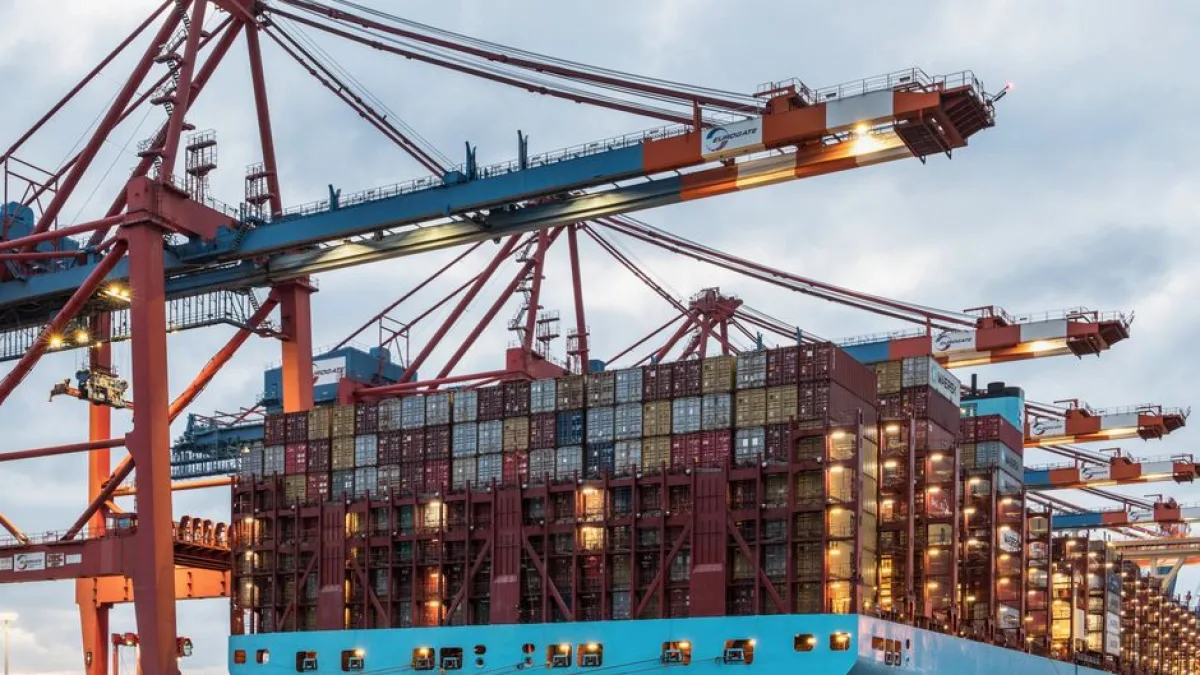
Advancing your shipping and tracking capabilities is essential for maintaining growth in the modern logistics sector. By leveraging digital tools to improve visibility, analytics, communication, and transparency, your team can deliver superior value to every client. Start modernizing your operations today with MakeCargo to ensure your firm remains competitive, agile, and ready to meet the evolving demands of the global freight forwarding industry.