Mastering Modern Shipping and Tracking for Freight Forwarders
Thursday, September 3 2026
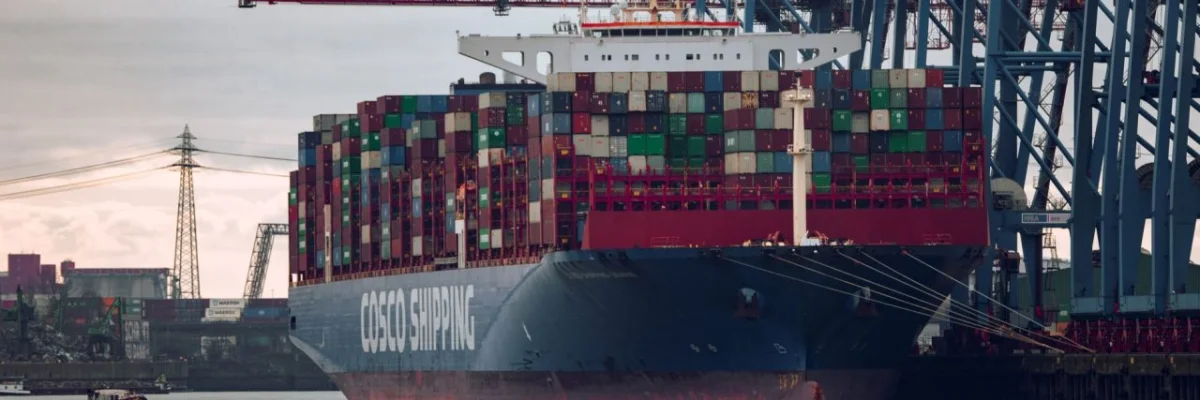
In the fast-paced world of global logistics, freight forwarders face increasing pressure to provide absolute transparency. Customers no longer accept simple port-to-port arrivals; they demand granular visibility into every stage of the transit process. As shipping routes become more complex due to unpredictable global events, the need for robust, data-driven tracking systems has never been greater. By leveraging advanced cloud-based platforms like MakeCargo, logistics professionals can transform their operations from reactive firefighting to proactive management. This comprehensive guide explores how mastering your tracking capabilities will build lasting client trust and streamline your daily workflows across all international shipping lanes.
The Importance of Real-time Visibility

Real-time visibility represents the bridge between static logistics and dynamic supply chain management. When containers cross oceans, stakeholders expect instant status updates that minimize uncertainty. Accessing accurate data empowers your team to make informed decisions that prevent costly bottlenecks before they occur.
- Proactive Problem Solving: Gain immediate insights into potential delays by monitoring live vessel movements to adjust scheduling and notify your customers before they even ask for an update.
- Client Trust Building: Provide your clients with a branded portal experience that reflects your commitment to transparency and modernizes how they view their specific cargo shipments.
- Operational Data Accuracy: Eliminate manual entry errors by synchronizing your tracking systems with automated data feeds to ensure that every shipment status is current and precise.
- Resource Optimization: Analyze recurring transit delays or route bottlenecks to better allocate your personnel and assets for future shipments throughout the busy shipping season.
Achieving total transparency requires integrating disparate data sources into one unified command center. When you stop toggling between carrier websites and start centralizing information in one location, efficiency skyrockets. This shift allows your staff to focus on strategic client communications rather than searching for lost tracking numbers. Clients notice this level of professional dedication, which directly contributes to higher retention rates and business growth.
Optimizing Automated Status Notifications

Automation is the cornerstone of modern logistics software solutions. By setting up automated alerts, you remove the burden of manual status updates from your staff. This approach keeps all supply chain participants informed throughout the entire transit and delivery lifecycle.
- Customized Alert Thresholds: Create tailored notification settings that trigger specific updates for critical milestones to ensure your stakeholders receive only the most relevant and timely shipping information.
- Multi-Channel Delivery Options: Distribute status updates through email, SMS, or direct system integration to ensure that all parties remain informed regardless of their preferred communication platform choice.
- Exception Management Workflow: Configure automated triggers that alert your team instantly when a shipment deviates from the schedule so you can handle issues with rapid professional response.
- Branded Communication Tools: Maintain your professional reputation by sending automated updates that feature your company logo and contact details to keep your brand at the forefront.
When you automate the flow of information, you create a seamless experience for every recipient involved in the shipment. This reduction in administrative overhead allows your forwarding team to address high-level exceptions that require human expertise. By letting technology handle the routine tracking tasks, you free up your brightest minds to focus on complex logistics challenges that add real value to your clients.
Leveraging Historical Data for Analysis

Your historical tracking data is a goldmine for improving long-term shipping efficiency and cost management. By reviewing past transit times, forwarders can identify patterns that lead to delays or extra costs. Turning this raw information into actionable reports provides a competitive advantage.
- Identifying Route Patterns: Analyze transit times across different shipping lanes to pinpoint the most reliable carriers and routes for your future global logistics planning and scheduling.
- Cost Management Strategies: Use tracked data to review detention and demurrage charges to identify why these costs occur and implement strategies to reduce those expensive losses.
- Vendor Performance Reviews: Evaluate carrier performance based on actual data rather than anecdotal evidence to ensure you work with partners who reliably meet their service targets.
- Strategic Business Planning: Utilize historical insights to forecast demand and seasonal capacity requirements for your clients while positioning your firm to handle increased volume with confidence.
Transforming raw shipping logs into clear performance indicators helps you steer your business toward long-term success. Instead of guessing which routes or carriers serve your clients best, you rely on hard evidence derived from your own historical data. This methodical approach to logistics management distinguishes successful freight forwarders from the rest of the market and proves your expertise to every valued customer.
Integrating Technology for Seamless Flow

Integration serves as the backbone of an efficient digital logistics ecosystem. Modern freight forwarding software allows your systems to talk to carrier databases, warehouse tools, and accounting software. A unified technical environment eliminates data silos and promotes true inter-departmental collaboration.
- Seamless API Connections: Link your internal management platform directly with global carrier APIs to pull live data without manual intervention or time-consuming website scraping procedures every day.
- Centralized Document Storage: Store all shipment-related documents directly alongside your tracking data so that your team can access customs paperwork and bills of lading instantly when needed.
- Improved Team Collaboration: Enable your entire staff to view the same real-time information to ensure everyone remains aligned on shipment status and operational priorities each day.
- Future-Proofing Your Business: Invest in scalable software infrastructure that grows with your company volume to ensure your tracking systems never become a bottleneck for future success.
Investing in a cohesive technological stack is no longer an optional upgrade for forwarders. It is an essential step for those who want to remain relevant in a highly competitive market. By bridging the gap between disconnected software, you create a streamlined process that benefits your team and your clients. Start simplifying your operations today by choosing the right digital tools for growth.
Conclusion

Mastering shipping and tracking is essential for modern freight forwarders aiming to exceed client expectations in a digital era. By centralizing data, automating updates, and leveraging historical insights, you build a resilient and professional operation. Implement these strategies today to streamline your logistics workflows and secure your firm's future growth. Contact MakeCargo to learn how our software platform can help you optimize every shipment.