Mastering Modern Shipping and Tracking for Freight Forwarders
Friday, September 4 2026
In the fast-paced world of international logistics, the ability to provide real-time visibility is no longer a luxury but a fundamental necessity for survival. Freight forwarders are increasingly under pressure to provide granular data on cargo movement, customs clearance status, and potential delays as soon as they emerge. By adopting sophisticated cloud-based tracking technology, businesses can transform their operations from reactive firefighting into proactive supply chain management. This guide explores how freight professionals can leverage modern tracking tools to enhance client satisfaction, reduce administrative overhead, and stay ahead in a competitive global market while ensuring operational efficiency across every leg of the journey.
Optimizing Real-time Cargo Visibility
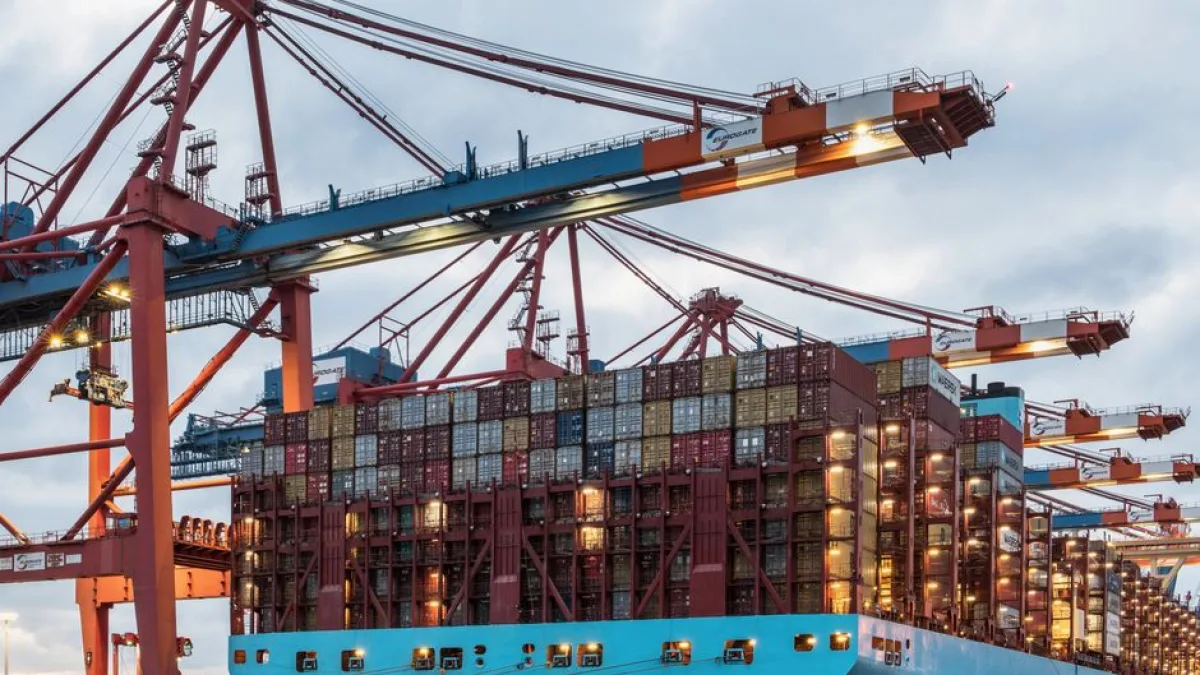
Digital visibility transforms how forwarders interact with their data, allowing them to monitor shipments across global ports. By integrating automated tracking feeds, logistics teams can visualize every movement of their inventory without needing to manual status checks through disconnected carrier portals.
- Automated Status Updates: Receive instant notifications regarding vessel departures and arrivals to keep your clients informed without the manual labor typically associated with tracking emails and scattered spreadsheets.
- Centralized Tracking Dashboards: Consolidate data from multiple carriers into a single interface that allows your team to manage complex supply chain workflows with improved clarity and speed.
- Reduced Client Inquiries: Provide your customers with self-service portals that display live tracking information, effectively cutting down the volume of status-related phone calls and email queries.
- Proactive Exception Management: Identify potential bottlenecks or shipping delays early in the lifecycle to enable quick decision-making and minimize the impact on your customers delivery schedules.
Implementing a unified tracking strategy is essential for companies aiming to scale their operations globally. When data flows seamlessly from carriers to your internal platform, the need for manual data entry disappears. This shift empowers your staff to focus on solving high-value logistical problems rather than chasing status updates, ultimately leading to higher retention rates and a much stronger reputation within the freight industry.
Leveraging Advanced Predictive Analytics

Modern logistics platforms utilize predictive analytics to anticipate potential disruptions before they actually occur. By analyzing historical shipping patterns and live weather data, freight forwarders can provide clients with accurate arrival estimates that build long-term trust and reliability.
- Arrival Time Forecasts: Utilize advanced machine learning algorithms to generate precise delivery estimates based on historical performance data and current oceanic conditions affecting your specific transit routes.
- Risk Mitigation Strategies: Analyze seasonal trends and port congestion patterns to offer your clients alternative routing options that bypass heavily impacted areas during peak busy seasons.
- Carrier Performance Evaluation: Compare different shipping lines based on their historical accuracy in meeting deadlines to make informed decisions when selecting partners for your future shipments.
- Resource Allocation Planning: Use predictive insights to better manage your warehouse and trucking capacity needs by anticipating exactly when shipments will arrive at your distribution centers.
Data-driven forecasting turns complex logistical challenges into manageable business processes for forwarders of any size. When you provide accurate insights regarding the movement of goods, you position your firm as a strategic partner rather than just a service provider. These analytical tools allow you to advise clients on better shipping practices, securing your value in an increasingly volatile global shipping environment.
Integrating Automated Customs Documentation

Streamlining the documentation process is critical for keeping cargo moving through busy border checkpoints efficiently. Integrating customs filing tools directly into your tracking software ensures that compliance happens alongside the movement of goods to avoid costly clearance delays.
- Seamless Data Syncing: Automatically pull essential shipment details from your tracking system directly into customs forms to ensure consistent information across all your legal shipping documentation.
- Regulatory Compliance Alerts: Receive timely notifications regarding changing import laws or documentation requirements that could potentially hold up your cargo at the destination customs office.
- Digital Document Storage: Maintain a secure and organized digital repository for all shipping records to simplify the audit process and improve accessibility for your internal teams.
- Instant Error Detection: Utilize automated validation checks to identify missing signatures or incorrect cargo codes before documents are submitted to avoid the risk of heavy penalties.
Effective document management acts as the backbone of every successful international shipment today. When paperwork is integrated directly into your tracking workflow, you eliminate the delays caused by clerical errors and missing files. This automated approach ensures that your shipments sail through customs checkpoints without interruption, providing a smoother experience for your clients and a much higher level of operational control for you.
Building Stronger Customer Communication

Clear and transparent communication channels are the foundation of any long-term client relationship in the freight forwarding industry. Today, customers expect instant access to shipment information and professional updates whenever they need to check the status of their critical business goods.
- Branded Tracking Portals: Create custom-branded status pages for your clients to enhance your professional image while providing them with the real-time data they desire for operations.
- Custom Notification Settings: Allow your clients to choose the frequency and type of updates they receive, ensuring they only get the information most relevant to them.
- Unified Communication Threads: Keep all messages regarding a specific shipment linked directly to the file so that any team member can provide an accurate update instantly.
- Proactive Issue Resolution: Communicate unexpected changes in delivery schedules with transparency, maintaining client trust by offering solutions alongside news of potential delays in the shipping pipeline.
Strong communication habits distinguish top-tier forwarders from those still relying on outdated methods of information sharing. By providing a transparent and consistent experience, you empower your clients to manage their own internal operations more effectively. This level of service builds lasting partnerships and encourages repeat business, proving that modern technology serves as a vital bridge between operational excellence and long-term client satisfaction.
Conclusion
Embracing digital transformation in shipping and tracking is no longer optional for forwarders. By centralizing data, using predictive analytics, automating documentation, and improving client communication, you can significantly increase your operational efficiency. MakeCargo provides the tools you need to stay ahead of the competition. Start your journey toward seamless freight management today by evaluating how these modern strategies can benefit your organization.