Mastering Modern Shipping and Tracking for Freight Forwarders
Monday, September 7 2026

In the fast-paced world of global logistics, the ability to provide real-time visibility is the primary differentiator between industry leaders and those struggling to retain clients. Modern freight forwarding professionals must navigate complex supply chain disruptions while meeting customer demands for instant status updates on their shipments. By leveraging cloud-based platforms like MakeCargo, forwarders can transition from reactive manual data entry to proactive shipment management. This strategic shift not only minimizes operational overhead but also builds long-term trust with shippers who require accuracy, transparency, and speed in every stage of their cargo journey through international transit hubs.
The Evolution of Real-Time Visibility
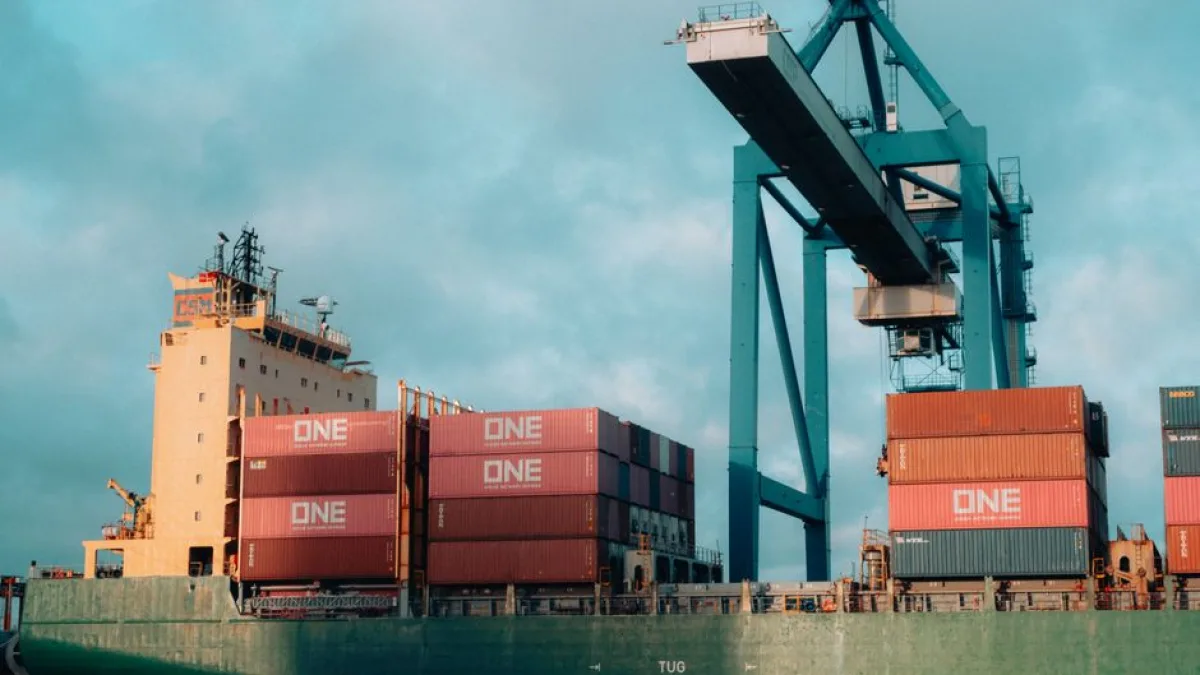
Digital tools have fundamentally transformed how forwarders monitor shipments across global ports and inland depots. Moving beyond basic status updates, modern software allows logistics providers to capture granular data points that keep both the back office and the end customer fully informed.
- Automated status updates: Integrate directly with carrier tracking APIs to ensure your platform reflects current shipment milestones without manual intervention or time-consuming follow-up emails from your operations team.
- Comprehensive visibility dashboards: Visualize entire freight journeys on a single screen to identify potential bottlenecks early and communicate proactive solutions to clients before delays escalate into major disruptions.
- Dynamic route optimization: Leverage real-time analytics to suggest alternative paths or carriers, ensuring that your cargo moves through the most efficient channels while avoiding congested nodes in transit.
- API data integration: Connect your forwarding software with third-party tracking services to provide a seamless flow of information that keeps stakeholders aligned throughout the entire shipment lifecycle.
Adopting these advanced visibility tools allows your team to focus on exception management rather than routine data entry tasks. When software handles the heavy lifting of tracking updates, you gain the agility needed to resolve complex shipping issues quickly. This heightened level of precision improves service quality, reduces customer anxiety, and solidifies your reputation as a reliable partner in a competitive global logistics landscape.
Managing Supply Chain Exceptions

Disruptions are an inevitable reality in global shipping, but how you manage them defines your service level. Proactive exception handling involves identifying deviations from the planned route or schedule and implementing contingency plans to mitigate the impact on client timelines.
- Early alert systems: Configure automated notifications that trigger when a vessel is delayed or a port has reduced capacity so you can inform clients about potential cargo delays.
- Centralized communication logs: Keep every note, email, and document related to a specific shipment exception within the platform to maintain a clear audit trail for all parties.
- Collaborative troubleshooting tools: Allow internal teams to share live status updates and coordinate efforts with local partners or agents to expedite customs clearance and inland delivery.
- Actionable contingency planning: Store predefined routing alternatives within your software to quickly pivot your logistics strategy when primary lanes become unavailable due to unforeseen global events.
When you transform reactive fire-fighting into structured exception management, you provide clients with the confidence they need to keep their businesses moving forward. Providing clear explanations alongside proposed solutions demonstrates high professionalism, even during difficult transit periods. By utilizing centralized digital tools to organize these responses, your team remains prepared for any obstacle, turning potential failure points into successful demonstrations of logistics expertise.
Leveraging Automated Client Notifications

Consistent communication is essential for maintaining strong client relationships, yet manually updating every customer is inefficient. Automation enables you to send timely, relevant status reports that empower your clients to plan their operations effectively without needing to ask for updates.
- Custom notification triggers: Create personalized rules that automatically alert clients when their goods clear customs, reach a warehouse, or arrive at the final destination port safely.
- Branded client portals: Provide a secure digital environment where customers can log in to view their specific shipment milestones and download necessary documentation at their convenience.
- Personalized status reporting: Generate professional and informative reports that highlight the most important updates, ensuring your clients receive clear value from every single communication message sent.
- Multichannel delivery options: Reach your clients through their preferred communication methods, including email, SMS, or automated in-platform messages, to guarantee that updates are seen immediately by stakeholders.
Moving toward automated workflows reduces the administrative burden on your staff and provides a more consistent experience for your customers. As your business scales, these automated systems grow alongside your operations, ensuring that service quality remains high regardless of volume. By keeping clients in the loop effortlessly, you free up your team to focus on high-value tasks like strategic planning and account growth.
The Future of Data-Driven Logistics
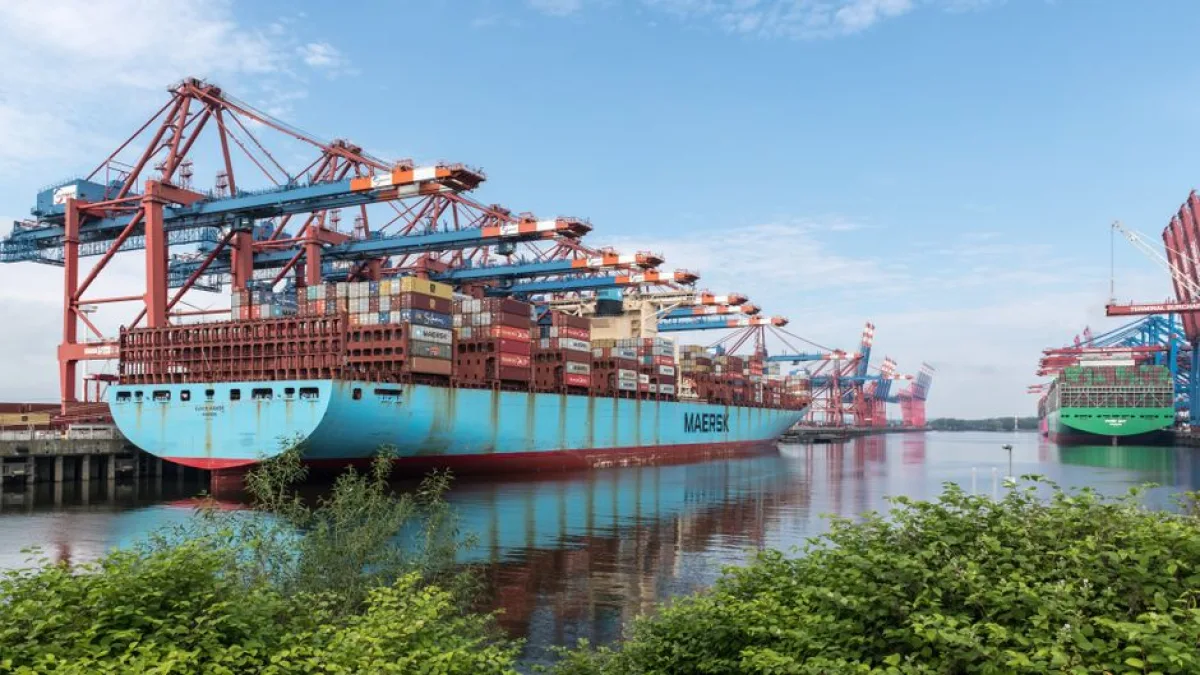
Data is the most valuable asset in modern forwarding, providing the insights necessary for continuous improvement. By aggregating shipping metrics within your platform, you can identify trends in carrier performance, transit times, and regional bottlenecks that affect your overall operational profitability.
- Carrier performance metrics: Track and compare the reliability of various shipping lines to make data-backed decisions that optimize your future freight bookings and minimize typical transit delays.
- Trend analysis reporting: Examine historical shipment data to forecast seasonal capacity needs and negotiate better contract rates with your logistics partners based on your actual volume.
- Financial transparency tools: Combine tracking milestones with cost data to understand how transit delays affect the total landed cost of your shipments and provide better invoicing.
- Strategic business forecasting: Utilize long-term data sets to identify emerging trade lanes, allowing your company to expand services into high-growth markets ahead of your closest industry competitors.
Data-driven forwarders are better equipped to navigate the complexities of global trade by anticipating challenges before they become critical issues. When you harness the power of your own shipment metrics, you turn raw information into a competitive advantage that drives smarter decision-making. Your focus on performance and efficiency will naturally lead to higher client satisfaction and more sustainable long-term business growth.
Conclusion

Modernizing your approach to shipping and tracking is not just a technological upgrade, it is a fundamental shift toward better customer service. By adopting automated visibility tools, proactive exception management, and data-driven insights, you position your firm as a leader in the global logistics sector. Start leveraging your data today to build more transparent, efficient, and resilient shipping operations for your entire client base.