Mastering Modern Shipping and Tracking for Freight Forwarders
Tuesday, September 8 2026
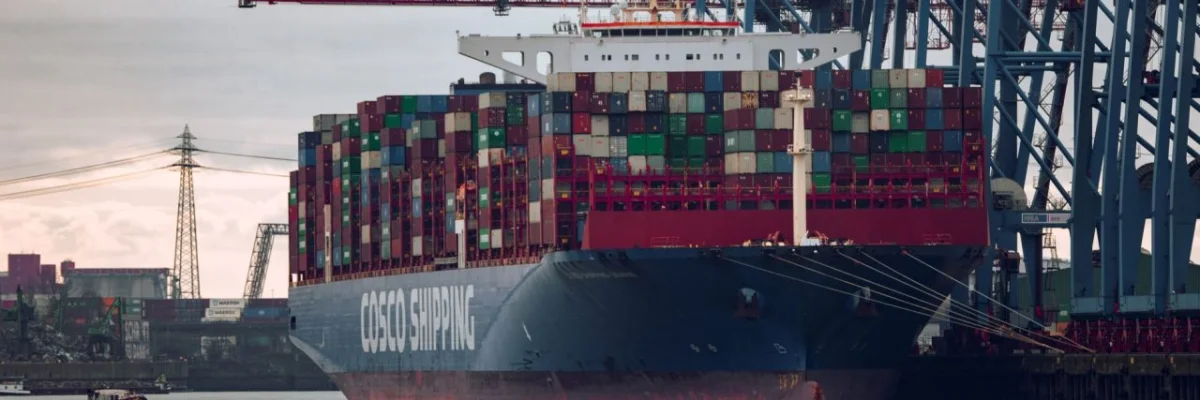
The global logistics landscape is undergoing a massive transformation driven by the demand for instant visibility and operational efficiency. For modern freight forwarders, the ability to provide real-time updates while managing complex supply chain bottlenecks is no longer a luxury but a fundamental requirement for survival. As cargo owners expect granular details at every stage of the transit process, digital platforms like MakeCargo are becoming essential tools. By leveraging advanced data integration and automated tracking protocols, forwarders can elevate their service standards, minimize manual intervention, and foster long-term loyalty with clients who value transparency above all else in this competitive market.
Optimizing Shipment Visibility
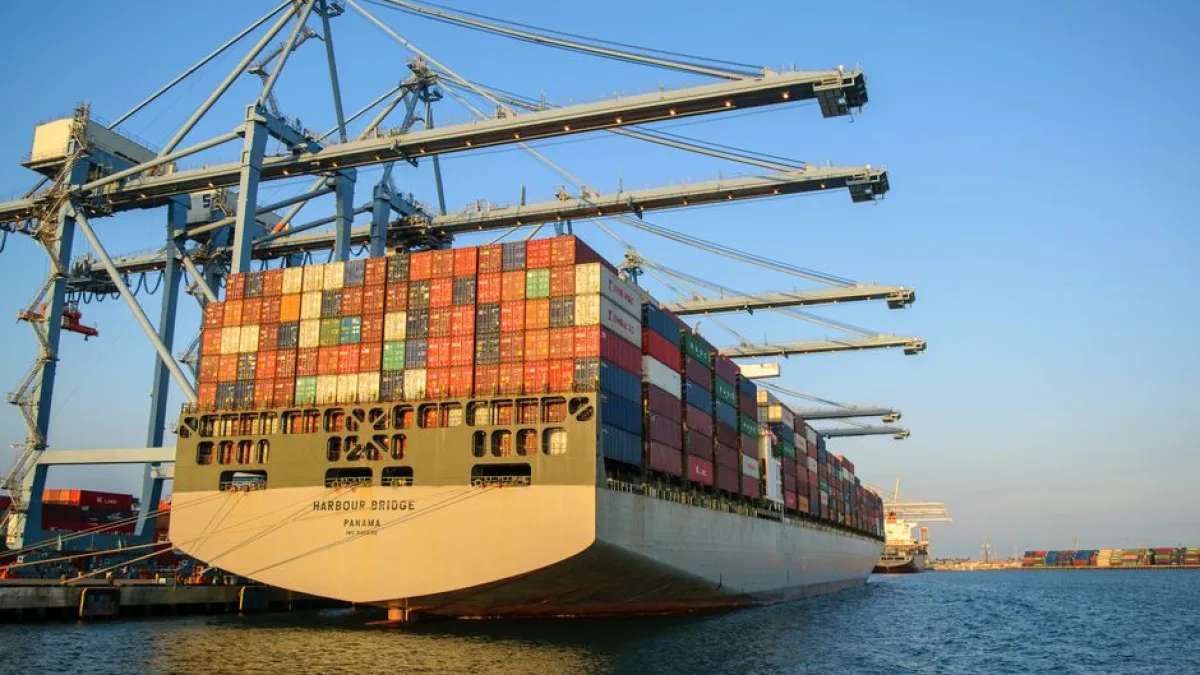
Real-time visibility serves as the backbone of contemporary freight management, allowing forwarders to monitor cargo status from origin to final delivery. By centralizing tracking data, companies can preemptively address transit delays and ensure that all stakeholders remain informed throughout the journey.
- Automated status updates: Implementing automated notification systems ensures that clients receive timely information regarding shipment milestones without requiring manual data entry from your busy operations team members every day.
- Centralized data access: Unified dashboards aggregate disparate tracking feeds into a single interface, providing a comprehensive view of global movements that simplifies complex logistics planning for your staff.
- Exception management tools: Advanced tracking software detects potential transit anomalies early, enabling proactive problem solving that keeps shipments moving even when unexpected environmental or logistical challenges suddenly arise globally.
- API integration benefits: Connecting your logistics software directly with carrier databases creates a seamless flow of information that eliminates human error and accelerates the overall documentation processing cycle.
Achieving total visibility requires more than just reactive tracking, as it necessitates a proactive stance on data management. When forwarders provide clients with a clear, live view of their inventory, trust is naturally established and maintained over time. This transparency reduces inbound support inquiries and empowers your team to focus on high-value logistics tasks rather than constantly answering routine status update requests.
Harnessing Data Analytics

Data analytics transforms raw tracking numbers into actionable business intelligence that improves decision making. Freight forwarders who analyze historical transit patterns can identify chronic carrier delays and adjust their routing strategies to optimize costs and performance for their valued clients.
- Performance metric tracking: Quantifying carrier reliability over specific routes allows you to choose partners based on proven success rather than just cost, leading to better outcomes for shippers.
- Operational bottleneck identification: Recognizing recurring delays at specific ports or hubs helps your team plan contingencies in advance, ensuring that your clients do not suffer from downtime.
- Predictive arrival modeling: Utilizing historical data to forecast accurate delivery windows enhances your reliability score, providing customers with peace of mind and realistic expectations for every shipment.
- Resource allocation planning: Analyzing data trends allows management to allocate human and financial resources more effectively during peak seasons, preventing staff burnout while maintaining high service standards.
Data-driven logistics is the key to outperforming competitors in today's fast-paced shipping environment. By turning your tracking history into a strategic asset, you gain a deep understanding of your operational strengths and weaknesses. This analytical approach not only improves daily efficiency but also supports long-term growth by providing the objective evidence needed to optimize your entire supply chain management network.
Improving Customer Communication

Clear communication is essential when managing international cargo because it builds the foundation of a professional partnership. Effective tracking portals allow customers to self-serve their information needs, freeing up your team to provide expert advice rather than manual reports.
- Customer portal access: Providing clients with secure, direct access to their shipment history fosters a sense of independence and reduces the total time spent handling routine inquiries.
- Proactive alerts setup: Configure custom triggers that automatically notify clients about shipment milestones, ensuring they stay informed without needing to contact your office for basic status checks.
- Document sharing capabilities: Integrated platforms allow for secure document exchange, ensuring that bills of lading and customs forms are easily accessible to all authorized parties at once.
- Standardized messaging templates: Using consistent, professional communication templates ensures your brand voice remains uniform while conveying vital tracking information to partners across various global regions and timezones.
Enhancing communication flows creates a superior client experience that distinguishes your business in a crowded market. When customers can find their information instantly, they are far more likely to engage in repeat business. A seamless flow of information from your software to the end user removes friction, saves your team hours of labor, and ultimately leads to a stronger professional reputation.
Ensuring Digital Security

Protecting sensitive shipment data is a non-negotiable responsibility for forwarders handling global trade transactions. As logistics platforms become more digitized, the importance of robust cybersecurity measures becomes paramount to prevent data breaches and maintain the trust of your global partners.
- Encrypted data transmission: Standardizing high-level encryption for all tracking communications prevents unauthorized access to sensitive cargo details, protecting both your business interests and the privacy of your customers.
- Secure access controls: Implementing multi-factor authentication ensures that only verified users can interact with your logistics platform, preventing unauthorized parties from gaining access to critical shipping documentation.
- Automated security backups: Regular, automated data backups ensure that your tracking history remains safe and recoverable even if your main hardware or network encounters an unexpected failure.
- Compliance standard adherence: Staying updated with global data privacy regulations keeps your operations legal and transparent, showing your clients that you prioritize their security in every transaction.
Security is the silent partner to efficient shipping that ensures your reputation remains untarnished. By prioritizing digital integrity alongside tracking speed, you build a resilient foundation for your logistics business. A secure platform allows your team to work with total confidence, knowing that client data and proprietary trade secrets are shielded from threats while moving through your digital ecosystem every day.
Conclusion

Mastering shipping and tracking is essential for modern freight forwarders who want to scale their operations effectively. By integrating advanced software solutions, you can provide the transparency that today's market demands while optimizing your internal workflows for better efficiency. Start leveraging these tools today to improve your customer service, secure your data, and turn logistics challenges into a distinct competitive advantage for your brand.