Mastering Modern Shipping and Tracking for Freight Forwarders
Wednesday, September 9 2026

In the fast-paced world of logistics, freight forwarders are under constant pressure to deliver visibility and precision. As global supply chains grow increasingly complex, relying on manual tracking methods is no longer a viable strategy for success. Modern shipping professionals must adopt sophisticated cloud-based tools to provide clients with real-time updates and seamless coordination. By leveraging technology, forwarders can mitigate risks, reduce operational delays, and foster long-term partnerships. This guide explores the essential components of effective shipping and tracking, offering actionable strategies to help your logistics business navigate challenges while improving service standards in a competitive digital marketplace.
Optimizing Real Time Visibility
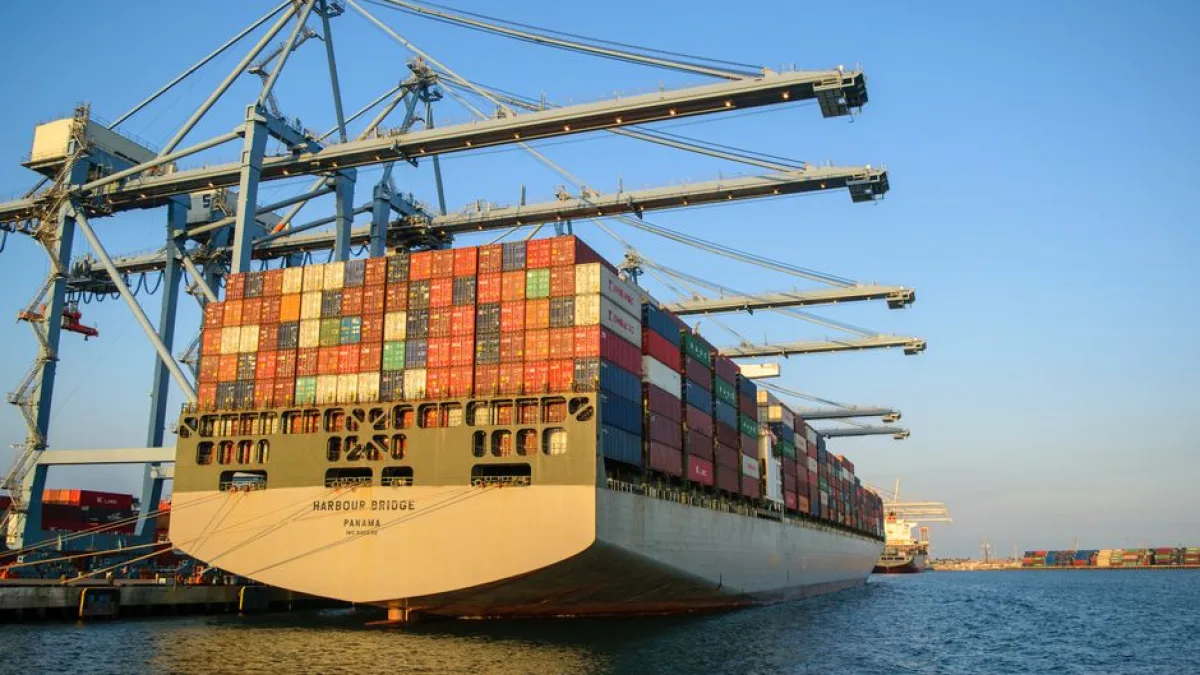
Real time tracking transforms how forwarders handle global shipments by providing immediate data on cargo locations. This constant stream of information reduces uncertainty, prevents costly delays, and ensures that all stakeholders remain informed throughout the complex international transport process.
- Proactive status alerts: Automated notification systems keep clients updated automatically when shipments reach critical milestones. This reduces the administrative burden on your team while increasing overall trust and transparency.
- Cloud integration benefits: Centralized digital platforms allow multiple teams to access live data simultaneously. Eliminating information silos ensures that every department works from the same accurate set of facts.
- Geographic data accuracy: Advanced GPS technology provides precise coordinates for container vessels across the globe. Accurate positioning allows for better resource planning and more reliable scheduling for end customers.
- Client portal access: Offering self-service tracking portals empowers your customers to monitor their own freight. Reducing inbound status inquiries frees your staff to focus on complex logistical problem solving.
Adopting advanced visibility tools is essential for maintaining a competitive edge in today's logistics environment. By minimizing the time spent manually updating customers, your team can pivot toward proactive management rather than reactive firefighting. These digital advancements ultimately foster stronger client relationships and solidify your reputation as a reliable partner. Investing in robust tracking software is a clear commitment to excellence and operational efficiency.
Enhancing Supply Chain Transparency

Transparency serves as the backbone of modern freight forwarding operations. Providing comprehensive data insights allows businesses to identify bottlenecks before they disrupt the supply chain, ensuring that every shipment moves efficiently from the origin port to its final delivery destination.
- Detailed reporting features: Custom analytics reports provide actionable insights into transit times and carrier performance metrics. Data-driven decision making helps forwarders optimize routes and negotiate better service level agreements.
- Document management synchronization: Digital document linking ensures that shipping manifests and customs forms are always associated with the correct cargo. Keeping all paperwork accessible minimizes clearance delays.
- Exception management workflows: Automated alerts flag potential issues like port congestion or weather disruptions early. Identifying risks quickly allows forwarders to implement contingency plans with minimal impact on service.
- Historical data tracking: Analyzing past shipping patterns reveals long-term trends and potential areas for cost savings. Leveraging historical insights helps improve future logistics planning and strategic resource allocation.
When transparency becomes a priority, your business gains the agility needed to handle unforeseen global events with confidence. By creating a culture of openness and data accessibility, you differentiate your services from legacy forwarders who rely on outdated manual processes. This high level of service clarity encourages customer loyalty and repeat business. Providing clear insights is the key to building lasting partnerships.
Streamlining Communication Channels

Effective communication bridges the gap between freight forwarders, carriers, and final consignees. Streamlining your internal and external exchanges ensures that instructions are clear, errors are significantly reduced, and all parties remain aligned during the complex process of global shipping.
- Unified messaging platforms: Centralized communication logs ensure that every interaction regarding a specific shipment is stored in one location. Having a searchable history prevents misunderstandings and missing details.
- Automated email notifications: Triggered messages keep all relevant stakeholders updated about shipment status changes without manual intervention. Automation ensures consistency and professionalism in every single client touchpoint.
- Vendor integration tools: Direct digital connections with carriers allow for seamless data exchange across different logistics networks. Reducing manual entry errors improves accuracy throughout the entire shipping cycle.
- Internal team collaboration: Built-in commenting features allow staff members to discuss logistics challenges directly within the shipment record. This collaboration ensures faster issue resolution for your clients.
Clear communication is the ultimate catalyst for operational success in the freight forwarding industry. When information flows without friction, your team can resolve issues quickly and keep promises made to clients. Investing in tools that centralize interaction helps minimize errors and promotes a culture of accountability. By choosing the right technology, you ensure that every stakeholder stays informed, satisfied, and highly productive.
Leveraging Advanced Data Analytics

Data analytics empower freight forwarders to turn raw shipping information into powerful business intelligence. By evaluating key performance indicators, your firm can maximize efficiency, optimize logistics spending, and provide a superior shipping experience that keeps your clients coming back every time.
- Carrier performance reviews: Comparing carrier performance data helps forwarders select the best partners for specific trade lanes. Selecting reliable vendors improves transit times and lowers overall shipping risks.
- Cost analysis tools: Financial tracking features monitor spend against budgets to identify potential areas for operational savings. Reducing unnecessary expenditure improves profit margins on every single client shipment.
- Trend prediction capabilities: Predictive algorithms forecast future shipping demand based on historical market data trends. Planning ahead ensures that you have the necessary capacity during peak seasons.
- Workflow bottleneck identification: Reviewing process times helps pinpoint stages where delays frequently occur in the logistics chain. Optimizing these specific workflows speeds up overall cargo turnaround times daily.
Transforming complex shipping data into meaningful insights provides a significant competitive advantage for growth-minded freight forwarders. Instead of making decisions based on intuition, you can rely on precise evidence to guide your strategy. This analytical approach leads to smarter operations, reduced costs, and consistent growth. Embrace these powerful digital tools today to elevate your service quality and ensure long-term business sustainability.
Conclusion

Mastering shipping and tracking is no longer optional for modern freight forwarders. By utilizing cloud-based software to enhance visibility, transparency, communication, and data analytics, you can elevate your service levels and streamline daily operations. Implementing these strategies will not only save valuable time but also build trust with your clients. Start your digital transformation journey today to ensure your company stays ahead of industry competition.