Mastering Modern Shipping and Tracking for Freight Forwarders
Monday, September 14 2026
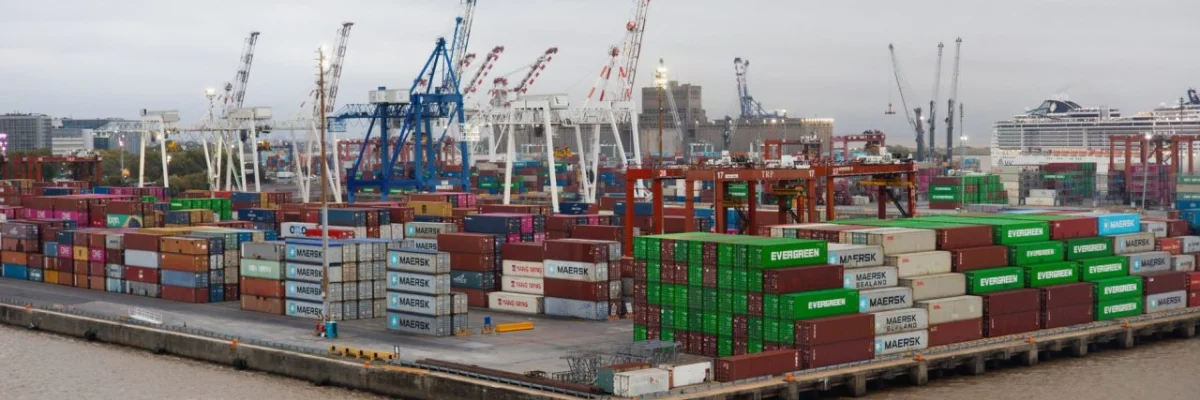
The global logistics landscape is undergoing a massive transformation driven by digitalization and the demand for real-time visibility. Freight forwarders today face the pressure of managing complex supply chains while meeting customer expectations for instant shipment updates. Modern software solutions provide the necessary infrastructure to integrate disparate data points into a single source of truth. By leveraging advanced tracking capabilities, forwarders can proactively manage exceptions, reduce manual intervention, and significantly improve service reliability. Mastering these digital tools is no longer optional but a critical requirement for companies aiming to thrive in an increasingly competitive and transparent global shipping market.
Optimizing Real-Time Shipment Visibility
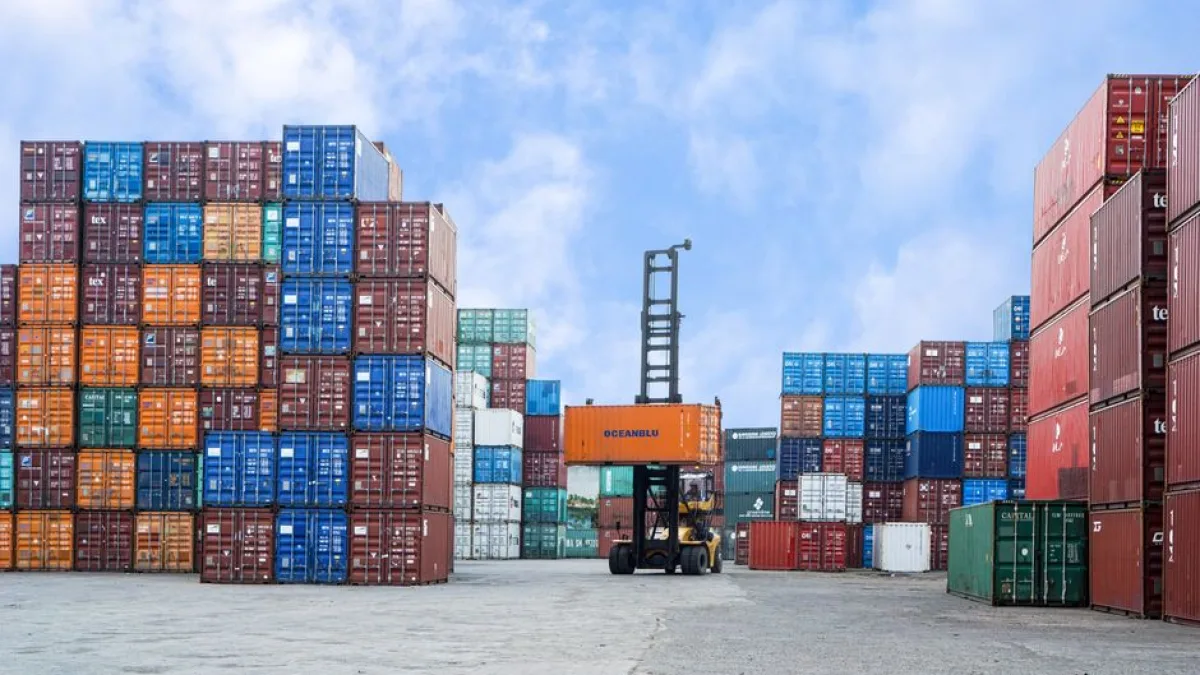
Real-time visibility acts as the backbone of modern freight operations, allowing forwarders to monitor cargo status from origin to final delivery. Implementing automated tracking software eliminates reliance on manual phone calls and endless email chains, ensuring accuracy at every stage.
- Automated Status Updates: Receive push notifications and alerts as shipments move through key milestones, ensuring your operations team stays informed without needing to manually check various carrier websites constantly.
- Carrier Data Integration: Connect your platform directly with global shipping lines and trucking fleets to aggregate status data, providing a unified view of your entire active shipment portfolio.
- Exception Management Alerts: Gain immediate insights into potential delays or routing changes, allowing your team to proactively communicate with customers before problems escalate into major service level failures.
- Customer Transparency Portals: Provide your clients with secure access to live tracking dashboards, reducing the burden on your customer service team while building greater trust and professional credibility.
- Data Accuracy Improvement: Eliminate human error associated with manual data entry by synchronizing electronic status feeds directly into your central software database for consistent and reliable reporting outcomes.
By shifting to automated visibility, forwarders save countless hours previously spent on administrative tasks. This efficiency boost allows teams to focus on high-value logistics challenges rather than basic status checks. Providing clients with direct access to live tracking data also improves satisfaction rates and differentiates your service in a crowded market. Adopting this technology is a foundational step toward building a resilient logistics business model.
Leveraging Predictive Analytics for Logistics

Predictive analytics uses historical data and machine learning to forecast potential bottlenecks before they happen. Forwarders can anticipate seasonal surges, equipment shortages, or port congestion, allowing for strategic planning and more precise capacity management across complex supply chain networks.
- Forecast Capacity Requirements: Analyze past shipment volumes to predict future demand trends, helping your procurement team secure necessary space and equipment before market rates spike during peak seasons.
- Predict Potential Delays: Utilize historical transit patterns to identify high risk routes, enabling your dispatchers to select more reliable carriers and paths for time sensitive cargo shipments.
- Optimize Asset Allocation: Distribute resources effectively by identifying recurring bottlenecks in your network, which allows for better planning of driver shifts and warehouse space management workflows.
- Cost Reduction Planning: Evaluate performance metrics across different carrier partnerships to identify the most cost effective routes and partners for specific cargo profiles and destination requirements.
- Proactive Risk Assessment: Detect vulnerabilities in your supply chain early by tracking lead time variations, helping you refine your operational strategy to minimize the impact of external disruptions.
Integrating predictive insights allows for a shift from reactive firefighting to proactive strategy. By anticipating market shifts, forwarders can offer more competitive rates and reliable delivery timelines to their clients. This data driven approach turns traditional logistics into a strategic advantage, fostering long term growth and stability. Ultimately, those who leverage historical insights to anticipate future challenges will consistently outperform their competition in efficiency.
Strengthening Digital Communication Channels

Streamlined communication is essential for effective supply chain management. Centralizing all correspondence within a single platform ensures that every stakeholder has access to the latest shipment updates, reducing confusion and preventing the loss of critical information across multiple disconnected channels.
- Unified Messaging Systems: Keep all client, partner, and carrier discussions organized in one location linked directly to the specific shipment record to ensure context is never lost.
- Automated Stakeholder Notifications: Trigger personalized status updates for various parties automatically, ensuring that everyone remains informed without requiring your staff to manually draft repetitive email messages.
- Document Sharing Portals: Allow secure exchange of shipping documents like bills of lading and customs invoices, ensuring that all necessary paperwork is processed quickly and without delay.
- Collaborative Team Environments: Enable internal team members to leave notes and task reminders within the system, fostering a culture of accountability and seamless operational handoffs during shifts.
- Audit Trail Logging: Maintain a comprehensive history of all communications and document versions, which serves as a valuable resource for resolving disputes or improving internal process workflows.
Effective digital communication minimizes misunderstandings that often plague the freight forwarding industry. By centralizing data and correspondence, firms can maintain high standards of accountability and operational transparency. This structured approach to information sharing prevents critical details from slipping through the cracks. As a result, teams work more cohesively, and clients feel better supported throughout the entire lifecycle of their complex international shipments.
Standardizing Global Workflow Processes

Standardization ensures that every shipment follows the same rigorous process, regardless of the destination or carrier. Implementing uniform workflows reduces operational errors, enhances compliance with international trade regulations, and simplifies the onboarding process for new employees joining your growing freight forwarding logistics team.
- Define Step-by-Step Workflows: Create standardized shipping templates that guide your team through each mandatory task, ensuring that no critical compliance step or documentation requirement is ever missed.
- Automated Compliance Checks: Integrate regulatory screening tools into your workflow to automatically flag potential customs issues, reducing the risk of fines and shipment seizures at international borders.
- Role Based Access Control: Limit system permissions based on user responsibilities, which maintains data integrity while ensuring that each staff member has the tools needed for success.
- KPI Performance Benchmarking: Compare operational performance against standard benchmarks to identify areas where your team excels or requires additional training to reach desired service delivery targets.
- Scalable Process Expansion: Develop procedures that grow with your company, allowing you to enter new markets or manage higher volumes without sacrificing quality or your service standards.
Standardizing workflows creates a consistent experience that clients learn to trust. When every shipment is managed with the same level of care and precision, reputation and brand loyalty grow significantly. These processes provide the necessary structure for sustainable expansion, allowing your company to handle increased demand with confidence. A well defined system is the ultimate safeguard against the unpredictable nature of global trade.
Conclusion

Modernizing your approach to shipping and tracking is essential for success in the evolving freight forwarding industry. By integrating automated visibility, predictive analytics, streamlined communication, and standardized processes, you empower your team to provide superior service. Embrace these digital tools today to enhance operational efficiency, reduce costs, and build lasting client trust. Start your transformation now to secure a competitive edge in global logistics.