Mastering Modern Shipping and Tracking for Freight Forwarders
Wednesday, September 16 2026
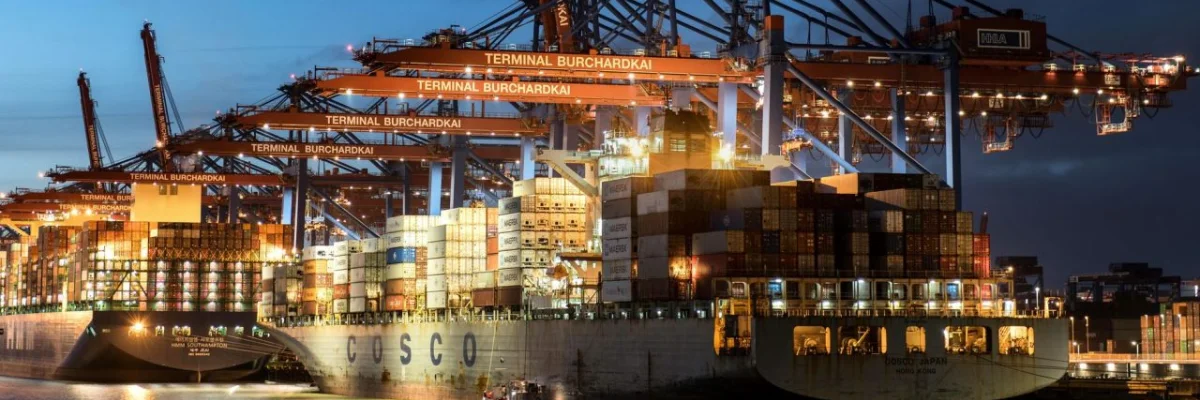
The global logistics landscape is undergoing a massive digital transformation that demands more agility from freight forwarders than ever before. As supply chain complexities rise, the ability to provide real-time visibility is no longer a luxury but a fundamental necessity for maintaining client trust and operational efficiency. By leveraging advanced cloud-based platforms, forwarders can now synthesize fragmented data points into actionable intelligence. This shift enables teams to anticipate disruptions, optimize routes, and communicate status updates with precision. Embracing these technological advancements is essential for professionals aiming to remain competitive in a fast-paced market that prioritizes transparency and constant connectivity.
Automated Real-time Tracking Systems
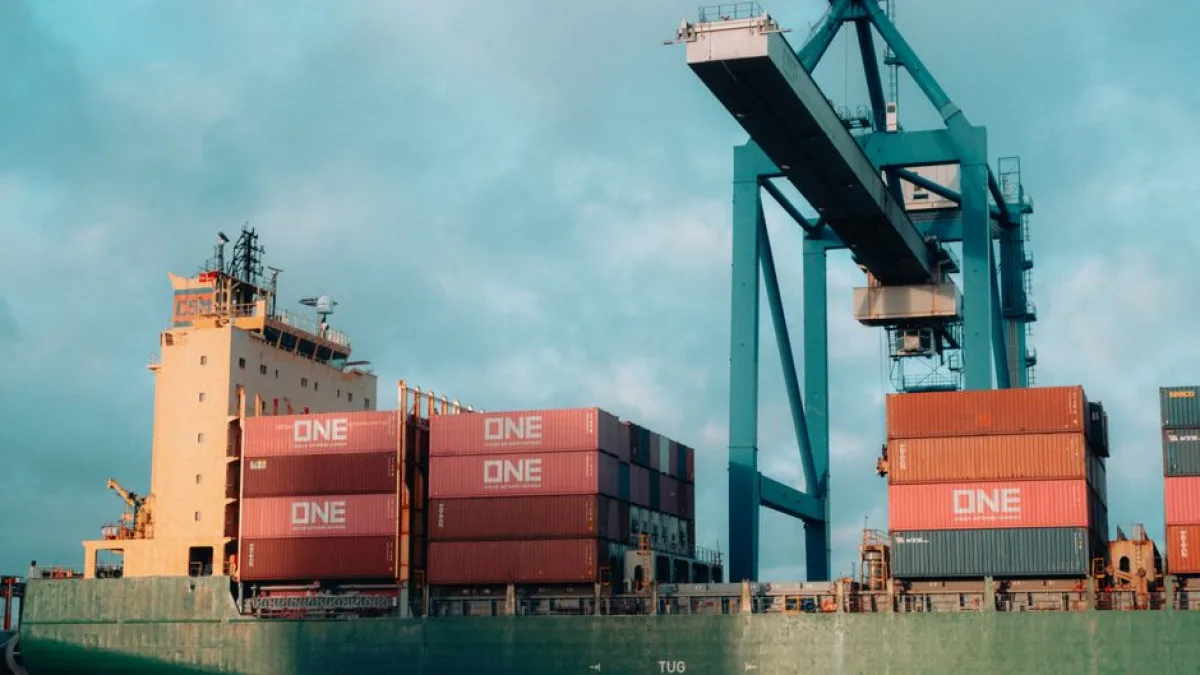
Automated systems replace manual status checks with seamless data integration across global shipping networks. By connecting directly to carrier APIs, freight forwarders gain instantaneous visibility into shipment locations, effectively eliminating the common bottlenecks associated with legacy tracking processes and manual email updates.
- Carrier API Integration: Linking directly with major ocean and air carriers allows for automatic data synchronization, ensuring that tracking statuses are updated instantly without the need for manual inputs.
- Proactive Exception Management: Advanced systems detect anomalies or delays in transit, triggering immediate alerts to operations teams so they can communicate solutions to clients before issues escalate further.
- Centralized Shipment Visibility: Consolidating tracking data from multiple carriers into a single unified dashboard provides a holistic view of all active shipments, significantly reducing administrative overhead for teams.
- Client Portal Access: Providing customers with secure, white-labeled access to tracking data enhances transparency and reduces the high volume of inbound inquiries typically directed toward your support staff.
Transitioning to automated tracking solutions significantly reduces the time your team spends chasing status updates. Instead of manually reconciling spreadsheets or refreshing carrier websites, staff can focus on high-value tasks such as strategic planning and client relationship management. This shift toward automation not only improves internal productivity but also elevates the overall customer experience by providing accurate and reliable information at every step.
Optimizing Data Accuracy and Reporting

Data accuracy serves as the backbone of modern freight forwarding, directly influencing client satisfaction and operational bottom lines. Implementing rigorous validation protocols ensures that all shipment information remains consistent, accurate, and ready for advanced analytics, helping forwarders make smarter, data-driven decisions daily.
- Unified Data Standards: Standardizing how information is captured across the organization eliminates discrepancies, creating a clean dataset that supports reliable reporting and forecasting for both internal and external stakeholders.
- Automated Error Detection: Intelligent software continuously scans for inconsistencies in tracking logs or documentation, identifying potential mistakes before they manifest into costly shipping delays or compliance penalties.
- Performance Analytics Dashboard: Visualizing historical data through comprehensive dashboards helps managers identify recurring transit delays, allowing the team to optimize future shipping routes for better time management.
- Integrated Document Management: Storing digital documents alongside tracking updates ensures that audit trails remain intact, simplifying the retrieval of essential manifests and invoices during busy transit windows.
Reliable reporting allows forwarders to move beyond reactive logistics toward a proactive strategy. When you trust your data, you can confidently promise tighter delivery windows and optimize resource allocation. By maintaining high accuracy standards, your firm builds a reputation for reliability that attracts larger enterprise clients. Consistently precise reporting becomes a key differentiator that sets your business apart in an increasingly saturated industry.
Enhancing Proactive Client Communication

Effective communication during the shipping process is essential for maintaining strong long-term partnerships with shippers. By utilizing automated notification tools, freight forwarders ensure that clients remain informed about key milestones, successfully reducing anxiety and improving overall satisfaction through consistent and transparent information flow.
- Automated Milestone Alerts: Sending triggered notifications at critical milestones, such as vessel departure or customs clearance, keeps clients informed automatically without requiring constant manual reach-out from account managers.
- Configurable Notification Rules: Tailoring communication preferences allows clients to choose how and when they receive updates, ensuring that critical information reaches the right stakeholders at the right time.
- Mobile Accessibility Support: Ensuring that tracking interfaces are mobile-responsive allows stakeholders to monitor their freight on the move, providing flexibility that meets the needs of modern logistics professionals.
- Transparent Exception Reporting: Sharing honest updates during transit delays builds long-term trust, positioning your firm as a transparent partner that prioritizes client success over hiding behind vague status labels.
Building a communication culture centered on transparency transforms your client relationships from transactional to consultative. When clients feel they have total visibility into their supply chain, they are more likely to commit to long-term contracts and refer your services to others. Leveraging automated communication tools allows you to maintain this high-touch approach at scale, ensuring your service quality remains consistent during peak shipping seasons.
Future-proofing with Cloud Technologies

Cloud-based technology provides the scalable foundation necessary for forwarders to adapt to shifting global market conditions. Moving operations to the cloud ensures that your team remains synchronized, regardless of location, while providing the robust security and performance required for handling complex international shipping data flows.
- Remote Team Collaboration: Cloud platforms facilitate seamless cooperation between global teams, allowing agents to access live shipping data from any location while maintaining consistent service quality across all offices.
- Scalable Infrastructure Growth: Cloud systems easily expand to accommodate increasing volumes of shipment data, ensuring that your software performance remains stable even during periods of significant business growth.
- Robust Data Security: Centralizing data within encrypted, professional cloud environments provides higher levels of security than localized storage, protecting sensitive commercial information from cyber threats and accidental data loss.
- Rapid System Updates: Cloud software delivers instant updates to all users simultaneously, ensuring that your team always has access to the latest features and compliance regulations without maintenance downtime.
Adopting cloud technology is an investment in the longevity and resilience of your freight forwarding business. As industry standards evolve, cloud systems allow for rapid integration of new tools and carrier connections. By staying on the cutting edge of digital infrastructure, you ensure your firm can navigate future challenges with speed and confidence, ultimately securing a dominant position in the global market.
Conclusion

Mastering modern shipping and tracking is vital for freight forwarders aiming to thrive in a digital-first environment. By focusing on automation, data accuracy, proactive communication, and cloud adoption, your team can deliver exceptional value to clients while streamlining internal operations. Embrace these tools today to ensure your logistics business remains competitive, agile, and prepared for the evolving demands of the global freight landscape.