Mastering Modern Shipping and Tracking for Freight Forwarders
Tuesday, September 22 2026

The global logistics landscape is undergoing a massive transformation driven by the need for greater transparency and speed. Freight forwarders today face the pressure of managing complex supply chains while meeting the high expectations of clients who demand real time visibility into their shipments. As physical cargo moves across oceans and continents, the digital trail must remain seamless and accurate. Leveraging cloud-based technology is no longer an optional luxury but a fundamental necessity for staying competitive in this fast-paced industry. By integrating advanced tracking systems into daily operations, companies can mitigate risks and build stronger partnerships with their global clients.
The Importance of Real-Time Visibility

Real-time visibility acts as the heartbeat of modern logistics operations. By providing instant updates on shipment locations, forwarders can proactively address delays and inform customers immediately, fostering a culture of trust and reliability that is essential in the international freight industry.
- Enhanced Customer Trust: Providing clients with continuous updates on their cargo status significantly increases satisfaction levels and creates long-term professional relationships built on transparency and open communication throughout transit.
- Proactive Problem Solving: Access to live data allows forwarders to identify potential transit disruptions early, enabling rapid adjustments to routes or schedules before they impact the final delivery.
- Data Driven Decisions: Utilizing consistent tracking information helps logistics teams analyze historical transit times and carrier performance to make informed choices that optimize future shipping lane efficiency.
- Competitive Market Edge: Offering superior visibility features differentiates your freight forwarding services from traditional competitors who may rely on outdated manual processes or slow email updates.
Adopting advanced visibility tools transforms how your company manages client expectations and operational workflows. When data flows without friction, forwarders spend less time on status inquiries and more time focusing on strategic growth and complex logistics planning. This transition not only streamlines daily tasks but also positions your brand as a modern, reliable leader in the global shipping sector that values technological advancement.
Integrating Digital Freight Platforms

Digital platforms allow forwarders to centralize their communication and documentation into one secure hub. By moving away from spreadsheets, companies eliminate errors and ensure that every team member has access to the latest shipping data whenever they need it.
- Centralized Information Hub: Cloud software brings all shipment documents and tracking data into a single location, reducing time spent searching through scattered email threads and physical paper files.
- Automated Workflow Efficiency: Integrated systems automate repetitive tasks like milestone updates and document generation, allowing your team to focus on high-value logistics challenges and personalized client support.
- Improved Team Collaboration: Digital platforms enable multiple departments to access real-time shipment updates simultaneously, ensuring that sales, operations, and accounting are always perfectly aligned on progress.
- Secure Data Management: Robust software solutions provide encrypted environments for storing sensitive shipping information, protecting your business against data breaches and maintaining client confidentiality at every stage.
Consolidating your operations through a cloud-based platform is the most effective way to modernize your shipping business. These tools reduce manual labor while increasing the accuracy of every shipment update you provide to your customers. As your operations scale, the software scales with you, providing the consistent infrastructure needed to manage increasing volumes of cargo without sacrificing the quality of your service.
Leveraging Predictive Analytics
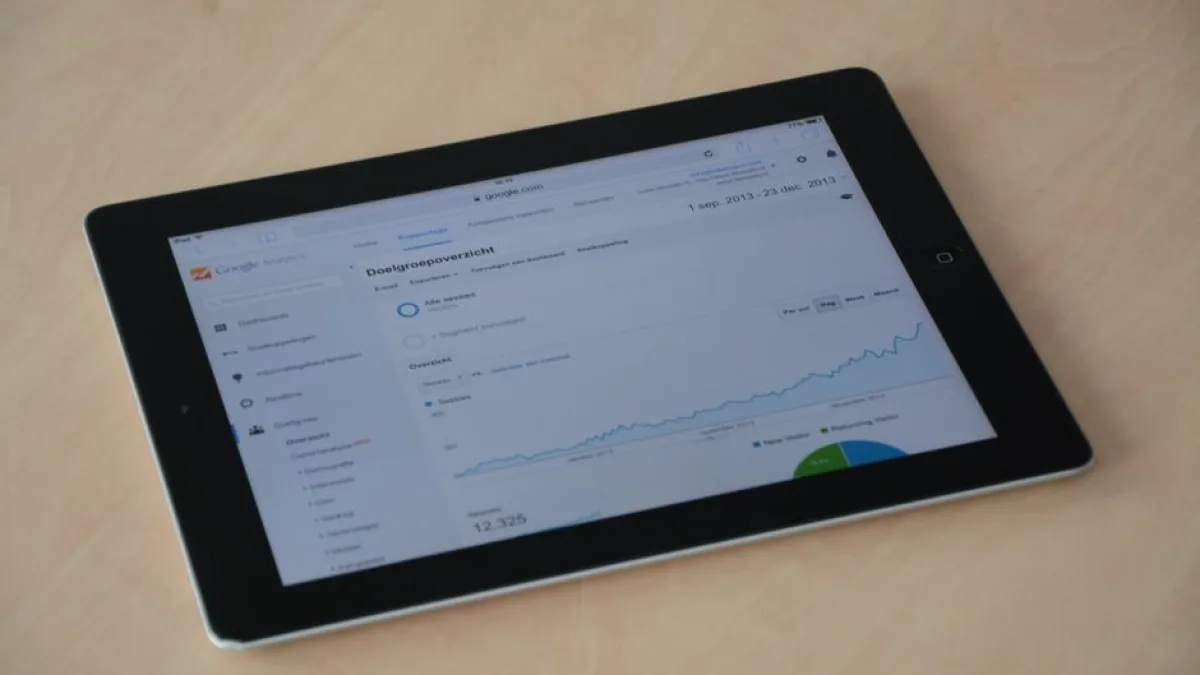
Predictive analytics enables forwarders to anticipate transit bottlenecks before they manifest into major issues. By analyzing past trends and current vessel performance, businesses can make smarter routing choices that save both time and money for their end customers.
- Anticipating Transit Delays: Advanced analytics tools use historical data to forecast potential weather issues or port congestion, allowing forwarders to proactively route shipments around these known danger areas.
- Optimizing Carrier Selection: By reviewing performance metrics, forwarders can identify which carriers offer the most reliable transit times, ensuring that customer goods arrive consistently and on schedule.
- Cost Management Strategies: Analyzing past shipping routes and carrier rates helps identify opportunities to reduce overhead expenses and offer more competitive pricing to your growing client base.
- Trend Identification: Recognizing shifts in global trade patterns allows you to prepare for seasonal volume spikes well in advance, ensuring sufficient capacity for your high-priority shipments.
Investing in predictive tools turns raw data into a massive competitive advantage. When your team can accurately predict delays and offer alternative solutions, you become a strategic partner rather than just a vendor. This level of foresight is vital for maintaining margins in an unpredictable global market, ensuring that your clients remain loyal even during periods of heavy disruption or port instability.
Enhancing Customer Communication

Clear communication is the bridge between a successful shipment and a satisfied client. By utilizing automated alerts and personalized portals, forwarders can maintain constant contact with stakeholders without the burden of constant manual phone calls or repetitive email updates.
- Automated Status Alerts: Sending instant notifications for milestones ensures that customers are kept informed of their cargo status, reducing the need for constant inbound status check requests.
- Personalized Client Portals: Providing a dedicated portal allows customers to view their shipment journey and retrieve documents independently, empowering them with instant access to their data.
- Streamlined Support Processes: Centralizing inquiries through a digital ticketing or messaging system ensures that no customer concern is overlooked and provides a clear history of communication.
- Professional Brand Image: Consistent and high-quality communication channels project an image of professionalism, assuring clients that their high-value cargo is in the most capable hands.
Modernizing your communication strategy is essential for building a reputation of excellence. By providing self-service options, you empower your clients while freeing your team from administrative overload. This balanced approach ensures that your staff can dedicate their energy to solving complex problems while your customers enjoy a seamless, high-touch experience that encourages repeat business and positive referrals across the industry.
Conclusion

Effective shipping and tracking strategies are essential for success in the modern freight industry. By embracing digital integration, real-time visibility, and proactive communication, freight forwarders can overcome current operational challenges and build a foundation for sustainable growth. Start upgrading your logistics technology today to ensure your business remains at the forefront of the global shipping market and delivers exceptional value to every client.