Mastering Modern Shipping and Tracking for Freight Forwarders
Wednesday, September 23 2026
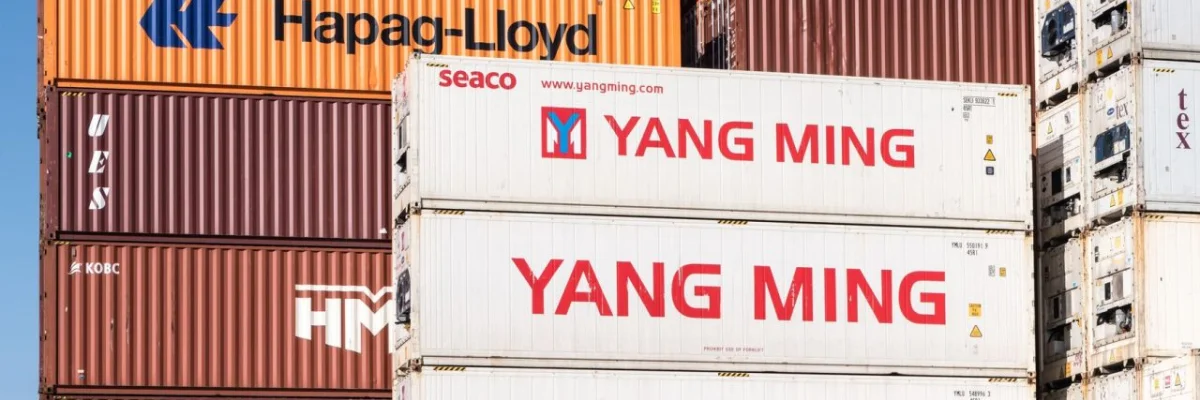
In the fast-paced world of global logistics, freight forwarders face increasing pressure to provide absolute transparency. The ability to monitor shipments in real-time has shifted from being a premium value-add service to an essential operational requirement. Clients today expect immediate visibility into every stage of the supply chain, forcing forwarders to adopt sophisticated digital tools to remain competitive. By integrating advanced tracking systems into daily workflows, professionals can proactively manage disruptions, reduce manual status inquiries, and build lasting trust with shippers. This guide explores the strategic importance of tracking technology and how forwarders can leverage data to excel in today's demanding market environment.
The Evolution of Real-time Visibility
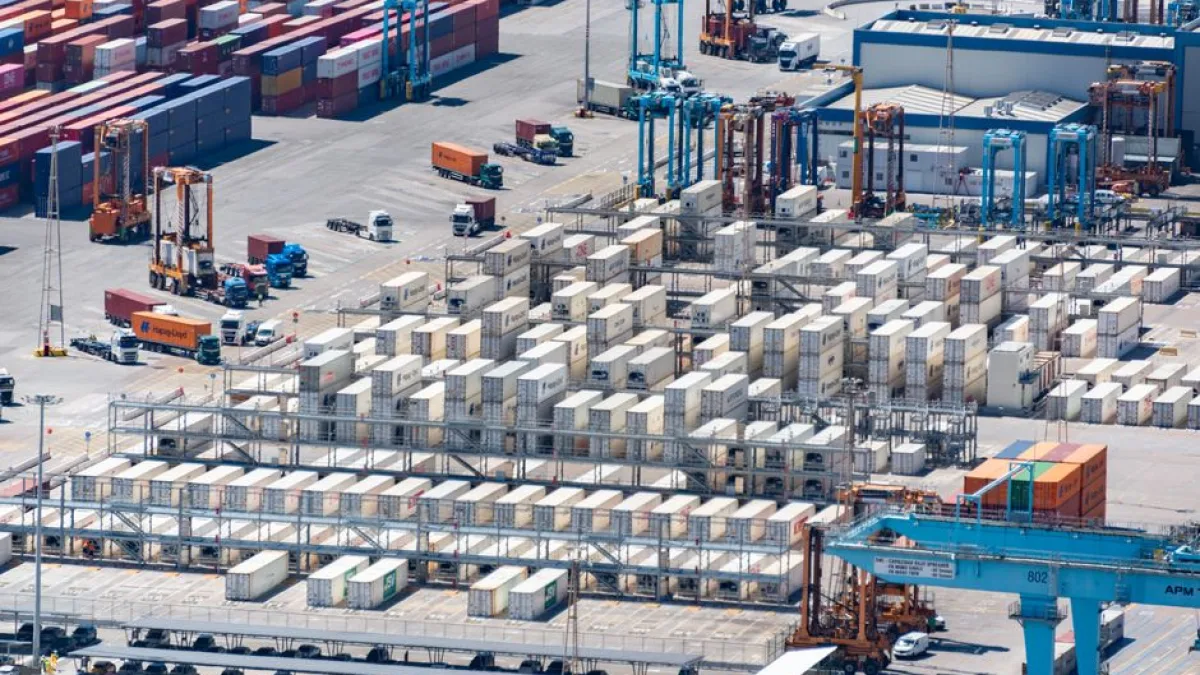
Digital transformation has redefined how companies monitor ocean and air freight. Modern cloud platforms now aggregate data from multiple carriers, allowing forwarders to see exact vessel positions and arrival windows without needing to contact individual agents or check outdated shipping line portals manually.
- Enhanced Data Accuracy: Automated systems pull live satellite data directly from carrier APIs to ensure that arrival times remain precise and updated based on current weather or port congestion.
- Proactive Exception Management: Digital tracking tools automatically trigger alerts when a shipment deviates from the planned route, enabling forwarders to address potential delays before they impact the final customer.
- Reduced Administrative Burden: Software platforms minimize the time spent manually updating status spreadsheets by syncing data automatically, allowing staff to focus on solving complex logistical issues rather than data entry.
- Improved Client Trust: Sharing live tracking dashboards gives shippers direct access to their freight movements, which fosters transparency and strengthens the long-term relationship between the forwarder and the shipper.
Adopting these tools is a necessary step for any freight forwarder aiming to scale operations efficiently. By replacing legacy communication methods with automated visibility, firms can significantly decrease the volume of routine status update emails. This shift not only empowers the internal team to act faster but also positions your company as a tech-forward leader capable of delivering reliable and consistent shipping performance every time.
Centralizing Communication Through Integrated Platforms

Fragmented communication channels often lead to significant errors and lost documentation in the shipping process. Centralizing tracking updates within a single dashboard ensures that all stakeholders have access to the same information, which eliminates costly misunderstandings during the transit of international cargo shipments.
- Unified Data Access: Centralized systems act as a single source of truth for all tracking updates, ensuring that every team member sees the same accurate information regarding shipment status.
- Streamlined Team Collaboration: Internal messaging features allow staff to attach notes directly to specific shipments, making it easy to track historical events and resolve issues without switching software.
- Direct Document Integration: Linking shipping documents like Bills of Lading and commercial invoices to tracking status updates keeps all necessary paperwork organized within a single, secure digital environment.
- Searchable History Logs: Storing every status change in a digital log provides a comprehensive audit trail that is essential for resolving disputes or reviewing past performance metrics effectively.
Consolidating communication channels directly improves the quality of service provided to international shippers. When every piece of tracking data and related documentation is accessible in one location, the entire logistics process becomes much more predictable. This integrated approach minimizes the risk of human error and allows your firm to maintain high standards of documentation and customer responsiveness throughout the entire cargo lifecycle.
Leveraging Analytics for Performance Optimization

Collecting tracking data serves a purpose beyond just keeping clients informed. By analyzing historical movement patterns and carrier performance metrics, freight forwarders can identify bottlenecks in their supply chain, allowing for smarter decision-making when selecting shipping routes or managing seasonal volume fluctuations during peak periods.
- Carrier Performance Tracking: Evaluating average transit times and delay frequency helps forwarders identify which carriers provide the most reliable service for specific trade lanes throughout the entire year.
- Route Optimization Strategies: Analyzing past shipment data allows managers to identify common delay points at specific ports and choose alternative routes to improve overall shipping speed and reliability.
- Seasonal Trend Analysis: Reviewing historical volume data assists with capacity planning and resource allocation to ensure your team is ready for the busy seasons without sacrificing customer support quality.
- Cost Reduction Insights: Understanding how tracking delays impact overall expenses enables forwarders to negotiate better rates or adjust service offerings to optimize profitability while maintaining high client satisfaction levels.
Data-driven strategy is the key to maintaining a competitive advantage in the global market. By transforming raw tracking data into actionable insights, your business can anticipate market shifts and optimize logistics processes before competitors do. Utilizing these analytics tools ensures your team operates with precision, turning everyday shipment tracking into a powerful engine for long-term growth and refined service delivery for your customers.
Empowering Customers with Self-service Tools

Giving clients the power to track their own shipments increases their satisfaction while reducing the workload on your customer service representatives. Modern web portals allow shippers to view, manage, and report on their freight progress at any time of day, offering a level of convenience that has become an industry standard.
- On-demand Visibility Portals: Providing a custom-branded portal allows clients to track their freight movements independently, reducing the need for constant phone calls and emails to your service desk.
- Automated Notification Triggers: Configurable alerts allow shippers to receive personalized status updates via email or SMS, keeping them informed about major milestones without requiring manual intervention from your team.
- Self-service Report Generation: Allowing customers to download their own shipping performance reports saves time for your staff while providing shippers with valuable information for their internal accounting teams.
- Mobile Access Flexibility: Responsive design ensures that customers can check tracking status from smartphones or tablets, providing a seamless user experience that works across all devices and time zones.
Investing in customer-facing technology is a direct investment in your company reputation and operational efficiency. By providing these self-service capabilities, you demonstrate that your business values client time and transparency above all else. This approach creates a professional, modern image that encourages client loyalty and makes your logistics services stand out as a preferred choice in a crowded and noisy freight forwarding market.
Conclusion
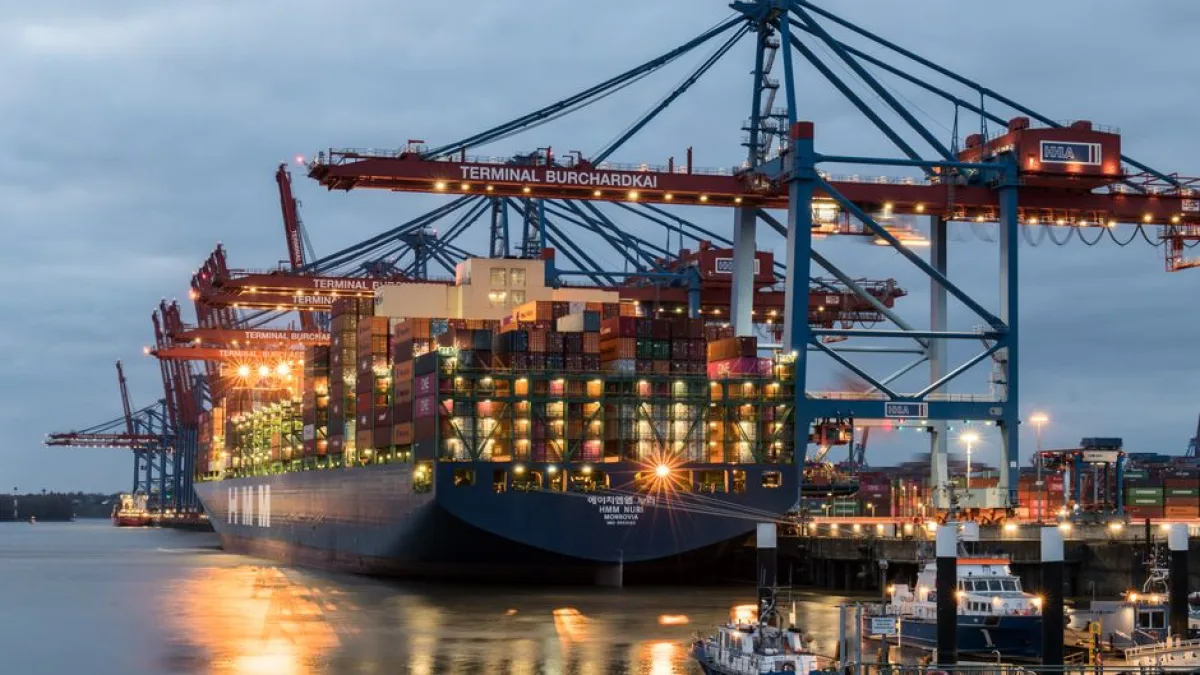
Embracing digital tracking solutions is essential for any modern freight forwarder. By focusing on real-time visibility, platform integration, data analytics, and customer empowerment, you can streamline your workflows and improve service quality. Leverage these tools to build a more resilient and transparent supply chain for your clients. Start optimizing your logistics operations today to ensure your firm remains competitive in a rapidly evolving industry.