Mastering Modern Shipping and Tracking for Freight Forwarders
Wednesday, September 23 2026

In the fast-paced world of global logistics, freight forwarders must navigate a landscape of constant change and increasing customer expectations. The ability to provide real-time visibility has evolved from a value-added service into a baseline requirement for survival. As supply chains face frequent disruptions and global trade becomes more interconnected, professionals need sophisticated tools to monitor shipments accurately. By leveraging advanced cloud-based software, your company can transform tracking from a reactive headache into a strategic asset, ultimately ensuring that goods move efficiently across borders while keeping stakeholders informed at every single stage of the journey.
The Importance of Real-Time Visibility
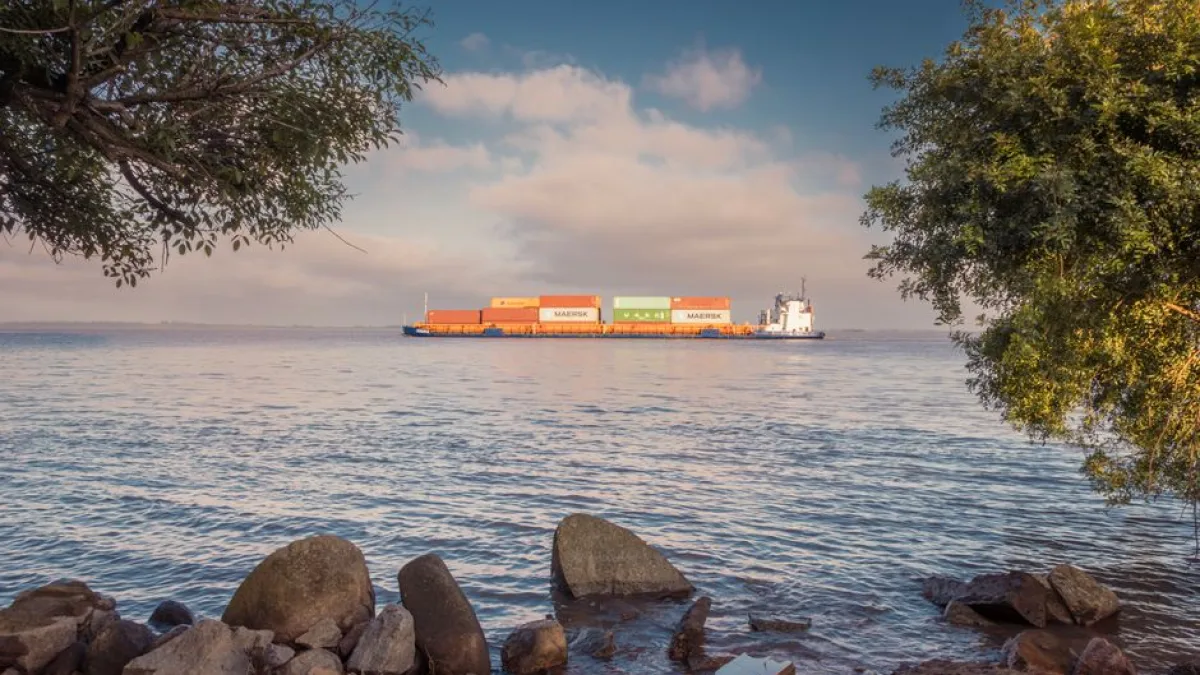
Visualizing your entire logistics operation through a digital lens allows your team to pinpoint the exact location of goods across international waters. Real-time data feeds reduce the need for manual status inquiries and help teams react swiftly to potential arrival delays.
- Enhanced Customer Trust: Providing clients with constant access to their shipment status builds long-term professional relationships based on transparency, reliability, and clear communication regarding every stage of transit.
- Proactive Problem Solving: Access to live updates allows teams to identify potential bottlenecks early, enabling them to reroute shipments before minor issues escalate into major operational failures.
- Reduced Manual Work: Automated tracking features eliminate the need for time-consuming email or phone status checks, allowing your staff to focus on higher-value tasks and client strategy.
- Operational Data Accuracy: Modern cloud platforms ensure that all team members view the same updated information, preventing costly errors caused by outdated spreadsheets or manual entry mistakes.
Adopting digital visibility tools is no longer optional for firms aiming to maintain a competitive advantage in the global market. These systems empower your logistics managers to oversee complex supply chains with total confidence. By centralizing data into one unified interface, you minimize communication gaps, reduce administrative labor, and provide the high-quality, transparent service that modern shippers expect from their trusted logistics partners.
Optimizing Automated Status Updates
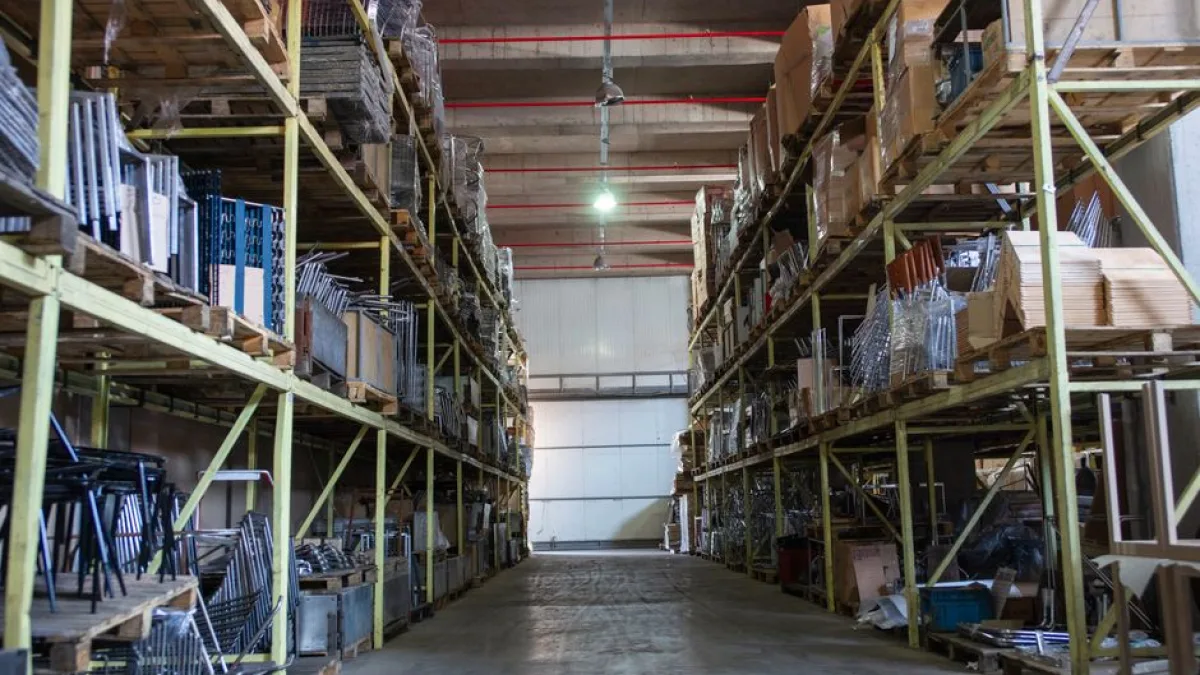
Automated status notifications keep all supply chain participants in the loop without requiring manual intervention from your office staff. By configuring custom triggers, you ensure that every stakeholder receives timely alerts as containers progress through ports or warehouse facilities.
- Customizable Notification Triggers: Set automated alerts for specific milestones such as vessel departure, customs clearance, or final delivery to ensure that stakeholders receive information exactly when it matters.
- Increased Process Efficiency: Automated systems remove the burden of manual updates from your logistics team, allowing them to focus on managing complex accounts and improving profit margins.
- Standardized Client Communication: Consistent alerts created by your software platform ensure that every client experiences the same high level of professional service regardless of the shipment scale.
- Minimized Human Error: Removing manual data entry steps from your tracking workflow significantly lowers the risk of incorrect status updates reaching your clients and causing unnecessary confusion.
Streamlining communication through automation fosters a more responsive environment for your logistics business. When clients receive instant updates on their cargo, they gain peace of mind and feel more in control of their own inventory pipelines. This proactive approach to status updates differentiates your services, creates operational scalability, and allows your team to handle higher volumes without compromising on the quality of service.
Integration with Carrier Portals
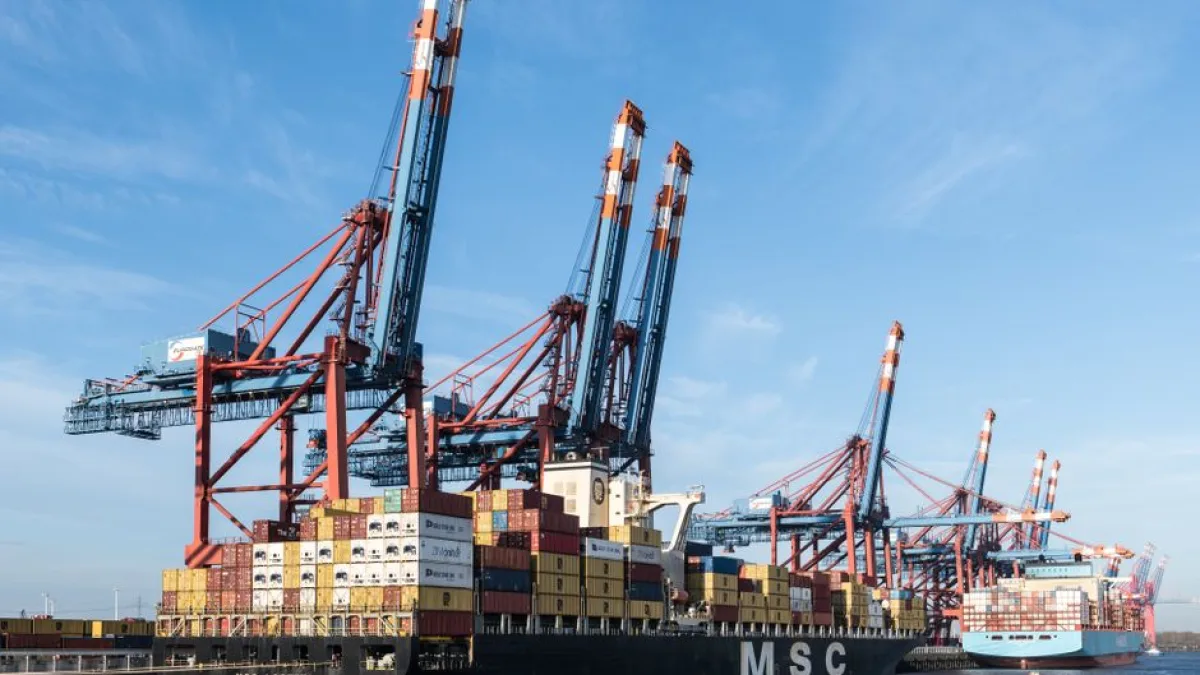
Connecting your management software directly with carrier APIs provides a seamless flow of data that improves the accuracy of every shipment profile. Integration eliminates silos between internal teams and external transport providers for smoother global operations.
- Unified Data Streams: Direct API connections consolidate information from multiple shipping lines into your central platform, providing a single source of truth for your entire freight team.
- Synchronized Delivery Schedules: Integrating carrier data ensures that your internal software reflects the most current ETAs and ETDs, allowing for better coordination with final-mile logistics providers.
- Streamlined Documentation Access: Many carrier integrations allow your system to pull important transport documents directly, saving time and simplifying the overall customs and shipping compliance processes.
- Improved Planning Capacity: Better data flow allows for more precise planning of vessel space bookings and container utilization, which leads to significant cost savings for your business.
Integrating with carrier portals bridges the gap between your platform and the physical transport of goods. This connectivity creates a robust foundation for decision-making that is rooted in real-time accuracy rather than outdated reports. As you expand your network of transport partners, these digital connections ensure that your systems remain compatible and agile, effectively future-proofing your business against shifts in logistics technology.
Analytics for Strategic Logistics

Transforming tracking data into actionable intelligence helps you identify trends, improve route planning, and optimize your overall operational costs. Advanced analytics provide a clear window into performance metrics that are otherwise hidden within your day-to-day shipping activities.
- Performance Trend Analysis: Reviewing historical shipping data helps your team identify common transit delays, enabling you to optimize carrier selection and improve future route planning for clients.
- Carrier Performance Metrics: Tracking the reliability of your transport partners helps you negotiate better rates and hold vendors accountable for meeting their expected delivery window commitments.
- Internal Process Optimization: Analyzing how long tasks take within your workflow reveals areas where you can improve team efficiency or introduce new software automation features.
- Data Driven Forecasting: Utilizing accumulated shipping data allows you to provide better volume forecasts to your partners, securing better rates and ensuring consistent capacity for cargo.
Data analytics turn raw shipping records into a powerful tool for business growth and strategic planning. By continuously monitoring your performance through a lens of metrics, you stay ahead of the market and proactively adjust your operational strategies. This intelligence-based approach ensures that every decision made within your organization is backed by hard evidence, driving higher efficiency and long-term success for clients.
Conclusion
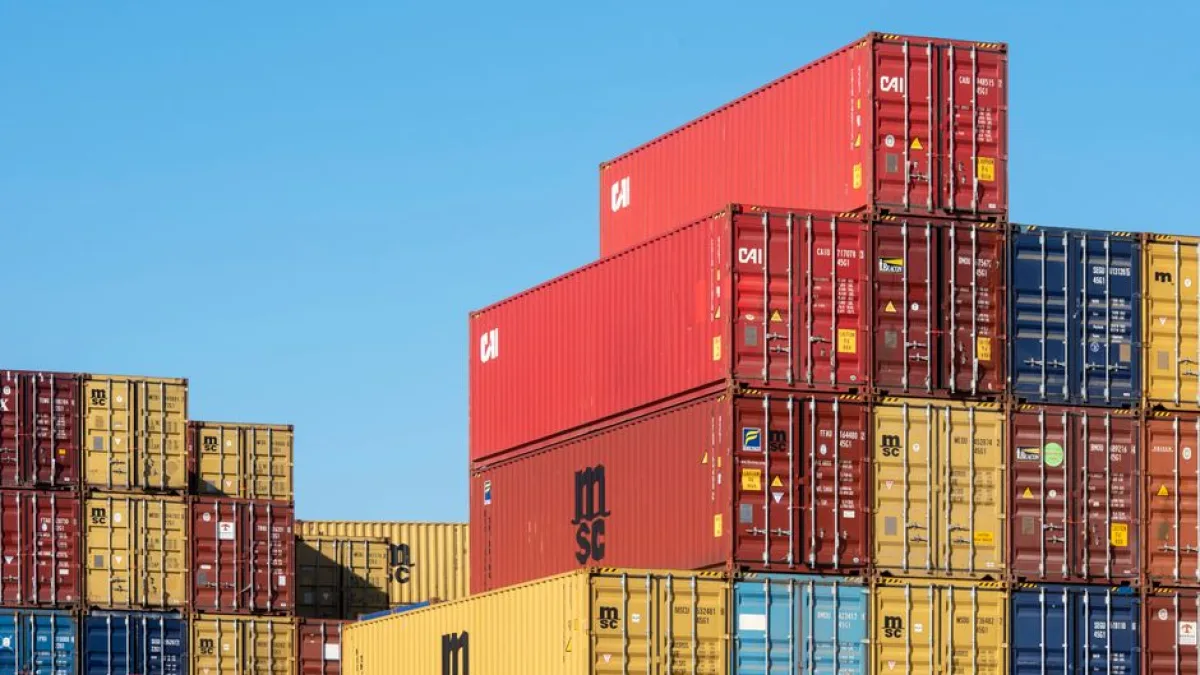
Mastering modern shipping and tracking requires a combination of robust software tools and a commitment to data accuracy. By implementing the strategies discussed, you can elevate your services, increase team productivity, and provide superior visibility to your global clients. Start optimizing your tracking processes today to gain a significant competitive edge in the freight forwarding industry and ensure your logistics operation remains truly world-class.