Mastering Modern Shipping and Tracking for Freight Forwarders
Thursday, September 24 2026
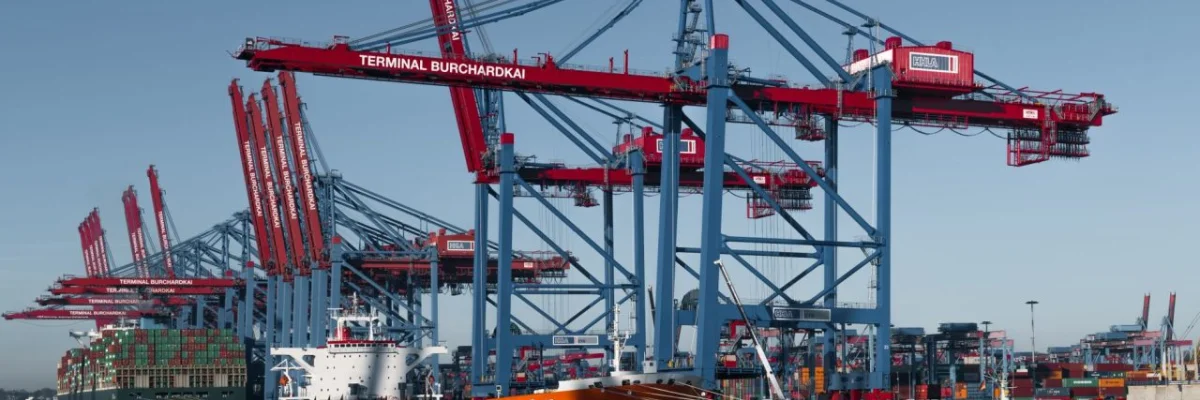
Modern freight forwarding requires precision and speed in an increasingly volatile global logistics landscape. As supply chain complexities grow, the ability to provide real-time visibility becomes a core competitive advantage for forwarders managing cross-border shipments. Shippers today demand instantaneous access to status updates, making manual tracking methods obsolete and inefficient. To stay ahead, professionals must integrate advanced software solutions that centralize data, reduce human error, and foster stronger client relationships. By embracing digital transformation, forwarders can turn traditional tracking processes into a powerful tool for customer retention while ensuring that cargo movements remain transparent, predictable, and highly efficient across every single shipping lane.
Real-Time Cargo Visibility
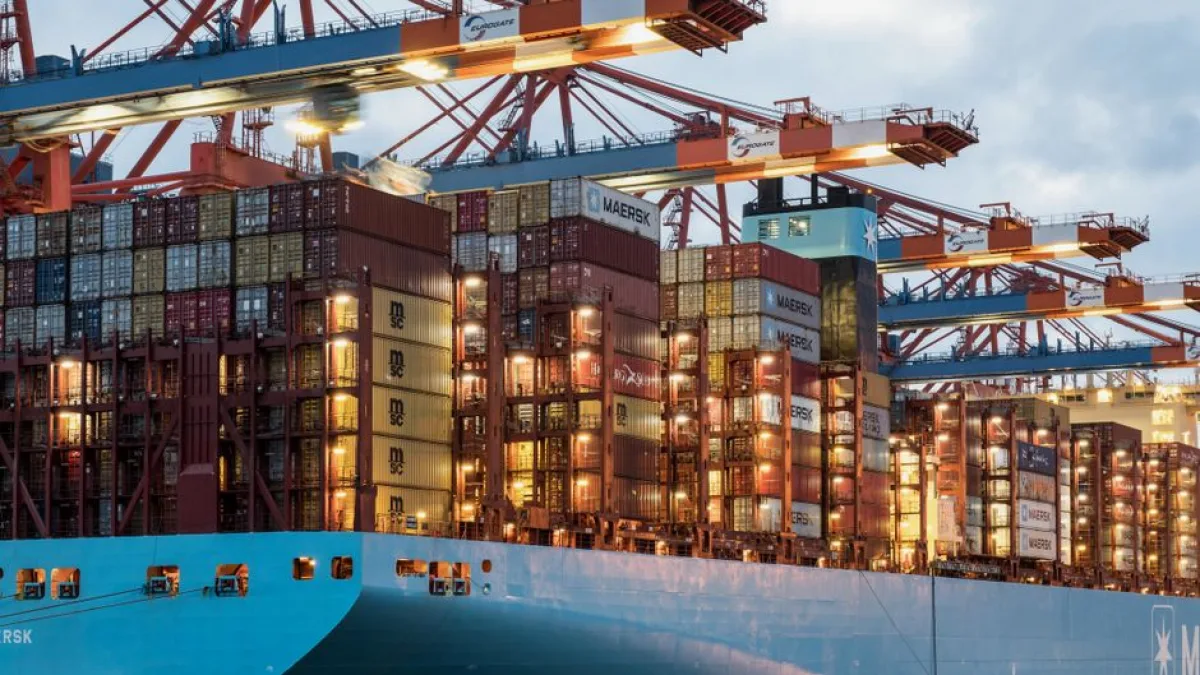
High-resolution visibility tools provide the foundation for modern shipping operations, allowing teams to monitor goods from origin to final delivery. Implementing advanced sensor technologies ensures that every stakeholder has an accurate and updated understanding of shipment status throughout the entire journey.
- Automated status updates: Real-time notification systems allow forwarders to push automated updates directly to clients, reducing the high volume of manual inquiries that typically clog email inboxes every day.
- Digital visibility dashboards: Modern software platforms provide a centralized interface where every shipment phase is visualized, allowing teams to identify bottlenecks before they evolve into costly operational delays.
- Enhanced shipment transparency: Providing customers with accurate tracking links fosters deep trust and reliability, positioning your forwarding business as a transparent partner that values clear and constant communication.
- Live carrier integration: Direct API connections with major ocean and air carriers ensure that your tracking data is always synced with the latest movements and schedule changes.
Digital visibility transforms the customer experience by replacing uncertainty with reliable facts. When forwarders leverage automated data feeds, they effectively eliminate the need for manual status checks. This shift allows staff to focus on solving complex logistical problems rather than performing repetitive administrative tasks. Ultimately, your clients benefit from a seamless flow of information that drives confidence and supports their own complex inventory management requirements.
Managing Exception Handling

Exception management is the true test of any freight forwarding operation when unforeseen disruptions occur during transit. Effective tracking systems flag issues early, enabling proactive problem solving that preserves client trust even when shipping schedules face unexpected environmental or operational challenges.
- Proactive delay alerts: Automated systems detect schedule deviations immediately, sending instant notifications that allow your team to contact clients before they even notice a problem with their cargo.
- Dynamic route optimization: When disruptions occur, software tools enable quick rerouting of freight to alternative ports or transport modes, minimizing the impact of severe regional shipping bottlenecks.
- Root cause analysis: Detailed logs of all shipment exceptions provide data that can be used to evaluate carrier performance and improve your future logistical planning strategies.
- Client communication workflows: Structured messaging tools ensure that when exceptions happen, your team has a clear protocol for updating clients with accurate information and potential recovery solutions.
Proactive exception management allows forwarders to maintain control even when external conditions are challenging. By transforming reactive firefighting into a structured, data-driven process, firms can protect their reputations and minimize financial losses for their clients. A robust tracking platform acts as your primary defense, ensuring that every issue is addressed with speed, precision, and complete clarity for all involved parties.
Integrating Carrier Data
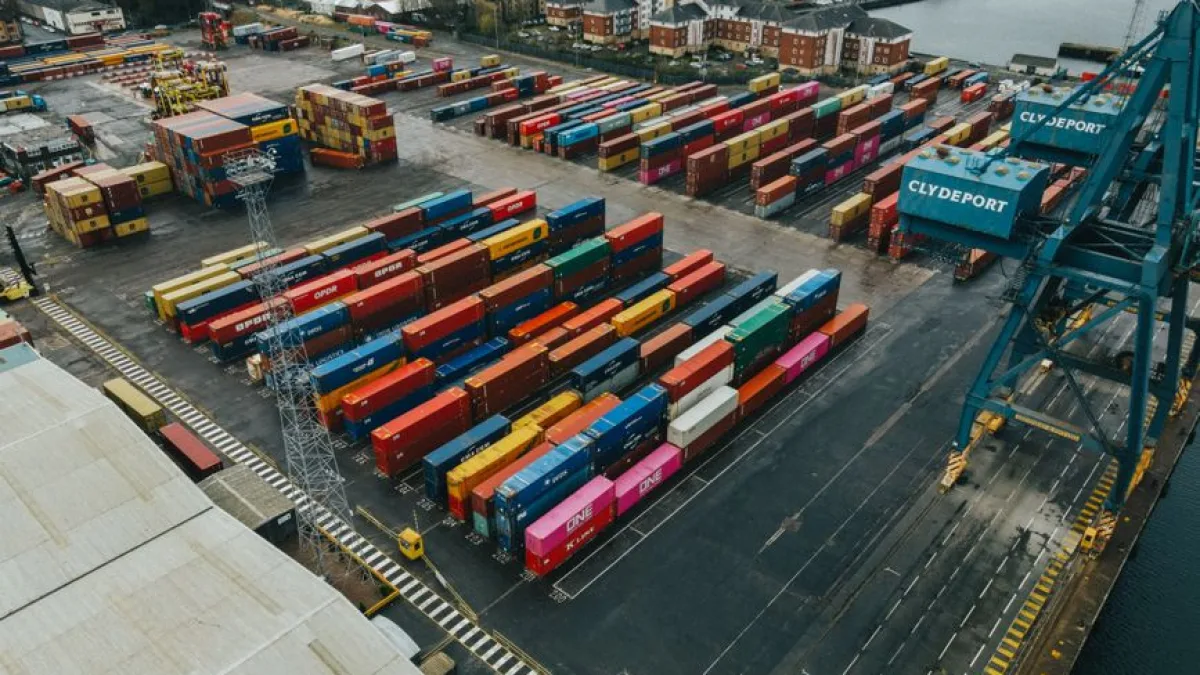
Connecting your freight software to global carrier networks is essential for maintaining a unified view of your shipping operations. By consolidating disparate data sources into one platform, forwarders can streamline reporting, improve data accuracy, and eliminate the frustration of switching between multiple portals.
- Unified data aggregation: Centralizing information from ocean, air, and land carriers into one dashboard simplifies the management of diverse shipments regardless of the transport mode being used.
- Standardized reporting formats: Automatic data ingestion ensures that all tracking information is normalized, allowing for consistent performance metrics and high-quality reports delivered to your valued customers.
- Reduced data silos: Removing barriers between departments ensures that sales, operations, and accounting teams share the same accurate information about every single shipment in the network.
- Scalable API connections: Choosing software that supports scalable carrier integrations means your technology can grow alongside your business as you expand into new international trade routes.
Integrated data streams form the backbone of a high-performing logistics business. By eliminating the manual entry of carrier tracking numbers, your team saves hours of productive time every week. This seamless synchronization prevents data discrepancies that often lead to billing errors or missed deadlines. Investing in strong integration capabilities is the smartest way to scale your freight operations without adding excessive headcount.
Optimizing Client Portals

Modern client portals empower your customers by granting them self-service access to shipment status, documentation, and history. This level of autonomy reduces the administrative burden on your support staff while increasing overall customer satisfaction through immediate, reliable access to critical information.
- Self-service document access: Customers can download their invoices, bills of lading, and customs declarations whenever they need them, saving your team from repetitive document retrieval and email requests.
- Branded tracking interfaces: Customizing the portal with your company branding reinforces your professional image and creates a consistent experience for every client who logs in to track.
- Secure document sharing: Encrypted portals provide a safe environment to exchange sensitive shipping documents, ensuring compliance with data protection standards while maintaining a smooth workflow between parties.
- User permission controls: Granular access settings allow you to define exactly what information each client sees, ensuring that data privacy is maintained throughout the entire logistics lifecycle.
A well-designed client portal changes the nature of the relationship between forwarder and shipper. By giving clients the tools to help themselves, you demonstrate a commitment to modern efficiency and superior service standards. This digital autonomy is increasingly expected by sophisticated businesses, making it a critical requirement for any freight forwarder aiming to stay competitive in the rapidly evolving global logistics market.
Conclusion
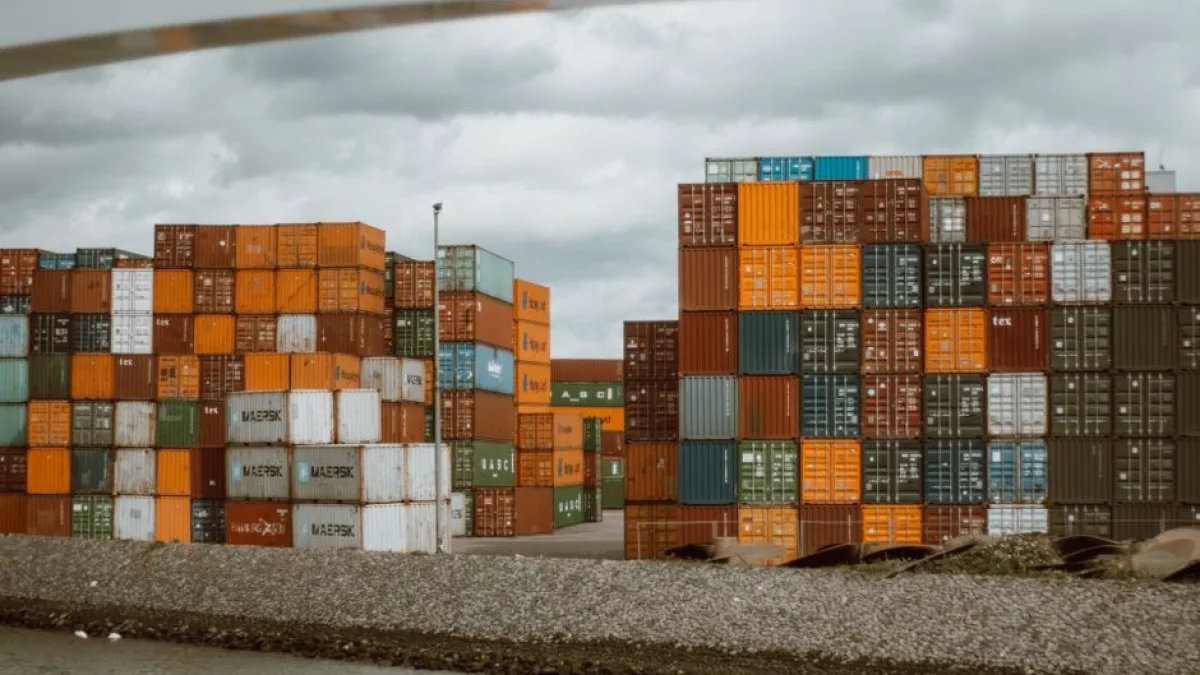
Advanced tracking technology is no longer optional for successful freight forwarders. By prioritizing real-time visibility, proactive exception management, and deep carrier integration, businesses can drastically improve their operational efficiency. Empowering clients with robust digital portals fosters long-term loyalty and reduces administrative overhead. Implementing these strategies today will ensure your freight forwarding company remains agile, transparent, and prepared for the challenges of international trade.