Mastering Modern Shipping and Tracking for Freight Forwarders
Sunday, September 27 2026

In the fast-paced world of logistics, freight forwarders are under constant pressure to provide real-time updates and seamless transparency to their clients. As global supply chains grow increasingly complex, the ability to monitor shipments from origin to destination has become a competitive necessity rather than a luxury. Leveraging advanced digital tools allows forwarders to move beyond manual processes and embrace automated tracking workflows. By integrating cloud-based platforms, logistics providers can effectively bridge the information gap, reduce operational bottlenecks, and ensure that every stakeholder in the shipment lifecycle remains informed, ultimately building lasting trust and fostering long-term business partnerships.
Optimizing Real Time Visibility
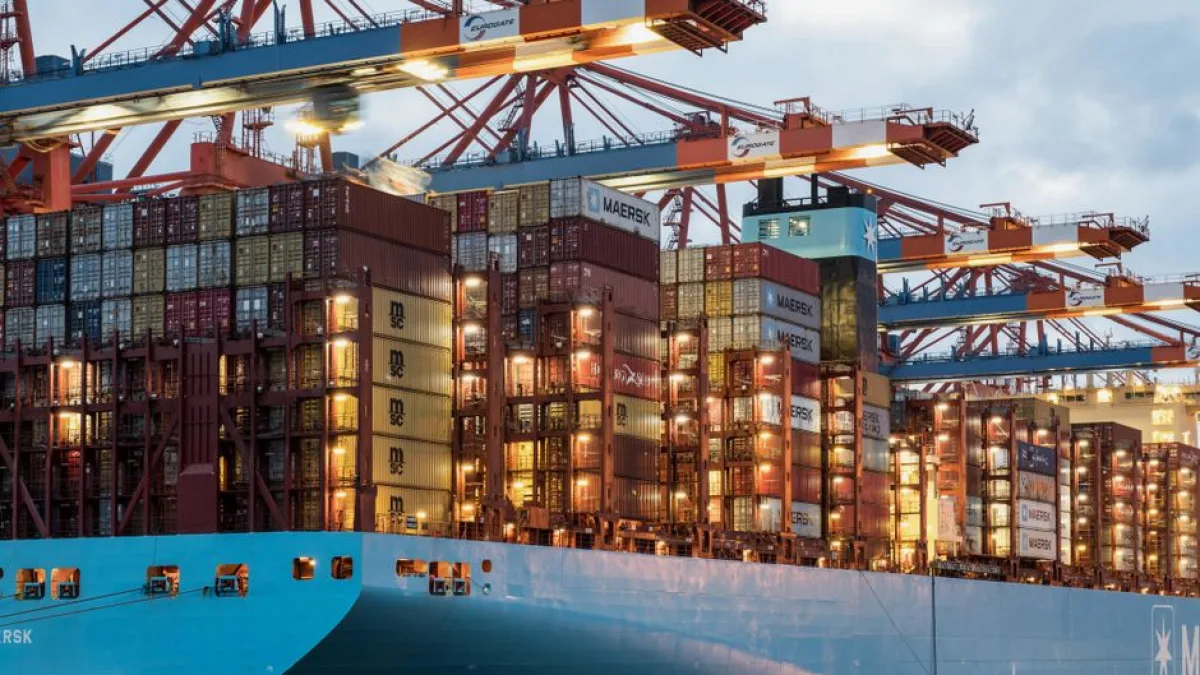
Real-time visibility represents the cornerstone of modern logistics, allowing forwarders to monitor cargo location with high precision. By utilizing connected sensor data and digital platform integration, logistics teams can anticipate potential disruptions before they impact the scheduled delivery performance of customers.
- Instant Status Updates: Automated notification systems alert teams the moment a shipment reaches a milestone, ensuring that manual data entry is minimized and human error is significantly reduced during operations.
- Data Accuracy Improvement: Integrating carrier APIs ensures that the tracking information displayed to clients is synchronized directly with vessel movements, providing the most reliable status updates currently available.
- Proactive Issue Resolution: Immediate access to shipment coordinates empowers dispatchers to identify bottlenecks quickly, allowing them to reroute cargo or inform stakeholders of delays well before they occur.
- Client Trust Building: Transparency creates a sense of reliability for shippers, who value consistent communication and accurate reporting when managing their most critical international supply chain inventory assets.
Achieving total visibility transforms the way freight forwarders handle daily tasks, shifting focus from reactive troubleshooting to proactive management. When teams have a clear window into their global inventory, they can optimize routes and improve communication workflows. This commitment to transparency not only enhances the overall service quality but also positions your logistics company as a reliable partner in an increasingly unpredictable global market.
Leveraging Digital Logistics Platforms

Modern cloud software centralizes fragmented data streams, providing a single source of truth for complex freight movements. Forwarders who adopt unified digital environments can easily manage documentation, billing, and tracking updates within one cohesive interface designed for high-volume operations.
- Centralized Information Hub: Cloud platforms consolidate all shipment details into one secure location, making it easier for distributed teams to collaborate effectively on complex international logistics project tasks.
- Workflow Automation Tools: Built-in features handle repetitive documentation tasks, allowing personnel to dedicate their time to strategic decision making rather than manual data entry or email correspondence.
- Enhanced Data Security: Advanced encryption protocols protect sensitive shipping documentation and client communication records, ensuring that business information remains secure from unauthorized access or potential digital threats.
- Customizable Reporting Features: Analytics modules allow managers to generate detailed performance reports, enabling deeper insights into carrier efficiency and helping to identify areas for future cost improvements.
Centralizing operations within a digital platform is essential for scaling a logistics business effectively. By removing data silos, forwarders create a seamless flow of information that connects carriers, agents, and shippers. This organized approach minimizes communication gaps and allows team members to handle larger volumes of cargo with greater ease, ultimately driving efficiency across the entire company infrastructure during busy peak periods.
Streamlining Communication With Stakeholders

Communication defines the quality of a freight forwarder service in the eyes of the shipper. By implementing automated email notifications and client portals, forwarders can keep every stakeholder informed without the burden of excessive manual phone calls or emails.
- Automated Notification Systems: Configurable alerts keep customers updated on shipment progress, reducing the administrative burden on your support staff while providing constant, accurate information to end users.
- Interactive Client Portals: Secure customer interfaces allow shippers to track their own cargo in real time, enabling self-service functionality that saves valuable time for your internal team.
- Collaborative Document Sharing: Integrated document management allows for instant sharing of bills of lading and invoices, ensuring that all partners remain on the same page regarding shipping.
- Unified Messaging History: Keeping all communication within the shipment record prevents critical details from getting lost in personal email threads, ensuring that every team member stays informed.
Efficient communication is not just about sending messages but about providing relevant data at the right time. When your clients can access updates independently, your team is free to handle complex logistical challenges. This streamlined approach to interaction fosters stronger client relationships and sets your freight forwarding business apart as a sophisticated player that prioritizes efficiency and clear, consistent communication across the board.
Predictive Analytics for Logistics

Predictive analytics allows forwarders to move beyond current status and look into the future of their shipments. By analyzing historical performance data, teams can forecast potential delays and optimize planning strategies to ensure cargo arrives on time regardless of external challenges.
- Delay Risk Mitigation: Sophisticated algorithms scan historical performance records to predict high-risk routes, allowing planners to select more reliable carriers and avoid potential bottlenecks during transit periods.
- Route Performance Analysis: Reviewing historical data helps determine which transport lanes perform best, enabling smarter decisions regarding carrier partnerships and overall logistics strategy for the upcoming year.
- Demand Forecasting Tools: Predictive insights help logistics providers prepare for seasonal surges by identifying common volume trends, ensuring that adequate capacity is secured well in advance.
- Capacity Planning Strategy: Analytical data supports better resource allocation by showing where demand is likely to spike, preventing equipment shortages and maintaining smooth operations during busy times.
Using predictive analytics is a strategic advantage for any forwarder aiming to increase margins and reliability. By transforming historical shipment data into actionable intelligence, companies can anticipate market trends and proactively address obstacles. This forward-thinking mindset not only stabilizes your operational planning but also increases value for clients who rely on your expertise to navigate the complex challenges of global freight shipping.
Conclusion

Embracing digital shipping and tracking tools is no longer optional for successful freight forwarders. By prioritizing real-time visibility, unified platform adoption, efficient communication, and predictive intelligence, you can overcome industry challenges and improve client satisfaction. Start optimizing your logistics workflow today to ensure your business remains competitive and resilient. Contact the MakeCargo team to see how our software can streamline your operations.