Mastering Modern Shipping and Tracking for Freight Forwarders
Wednesday, September 30 2026

The global logistics landscape is undergoing a massive digital shift that demands higher precision and faster response times from every freight forwarder. As client expectations for real-time transparency reach record heights, traditional manual tracking methods simply cannot keep pace with the complex nature of modern supply chains. By integrating advanced digital solutions, forwarders can now transform their shipping operations into a competitive advantage. This article explores how to leverage technology to achieve end-to-end visibility, improve communication, and enhance overall operational efficiency while managing global cargo movements across ocean, air, and road networks in an increasingly volatile international market.
The Power of Real-Time Visibility
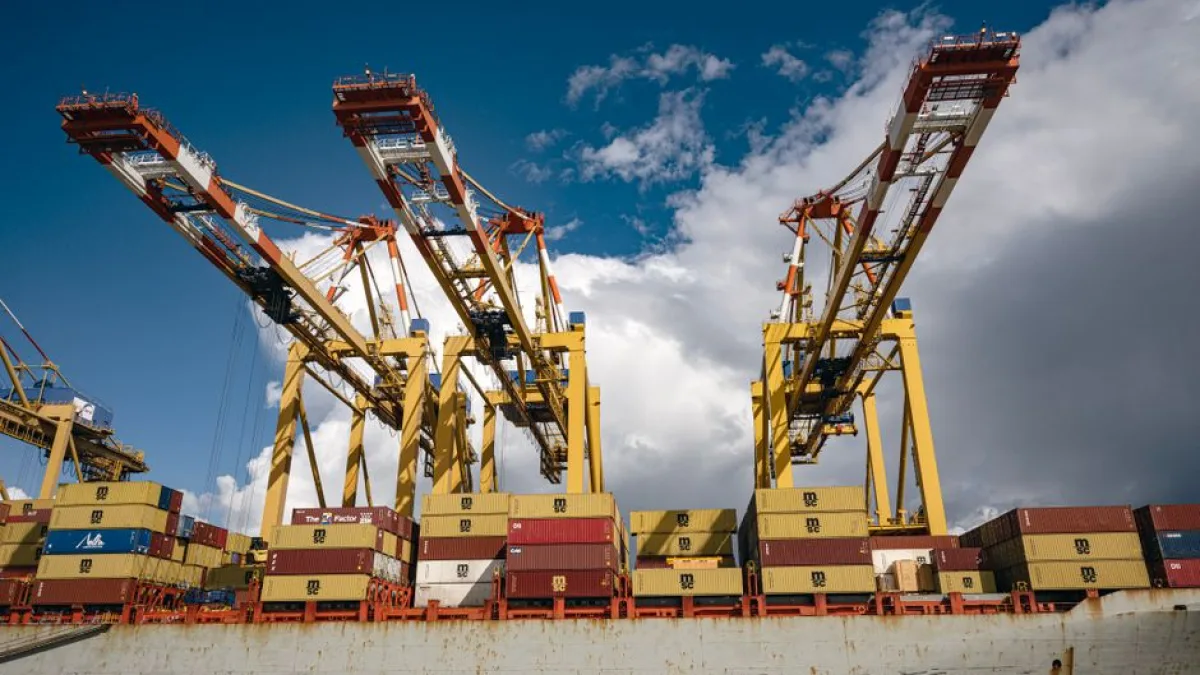
Real-time visibility tools bridge the gap between departure and arrival by providing constant status updates on your shipments. When stakeholders receive automated notifications throughout the journey, trust increases and proactive problem-solving becomes the standard operating procedure for your busy team.
- Proactive Issue Mitigation: Early notification of potential delays allows your team to reroute shipments or inform clients immediately to prevent costly operational bottlenecks and maintain supply chain continuity.
- Data-Driven Decisions: Accessing granular shipping data empowers your logistics coordinators to analyze performance patterns and refine carrier selection based on historical reliability rather than just lower rates.
- Client Confidence Boost: Providing a branded customer portal for self-service tracking significantly reduces the volume of status inquiries while elevating your professional brand image to enterprise clients.
- Automated Milestone Alerts: Configurable email and SMS updates ensure that all relevant parties stay informed automatically, which minimizes the need for manual status checks throughout the day.
Adopting a centralized tracking system allows forwarders to move away from reactive firefighting and toward a strategic management style. With clear visibility, your staff can focus on high-value tasks that drive revenue rather than spending hours manually updating spreadsheets. This shift not only improves internal productivity but also delivers a premium experience that keeps your clients coming back for future shipping requirements.
Integrating API and EDI Technology

Modern freight software relies heavily on API and EDI integrations to pull carrier data directly into your dashboard. By eliminating manual data entry, your logistics firm can significantly reduce human error and ensure that every shipment record remains accurate.
- Seamless Data Sync: Direct connections with major ocean and air carriers allow for the instant transfer of tracking status updates without requiring manual intervention from your staff.
- Error Rate Reduction: Automating the flow of information between carrier systems and your internal platform removes the risk of typos and inconsistent documentation during the shipment lifecycle.
- Enhanced Scalability Support: Automated systems handle sudden spikes in cargo volume effortlessly, allowing your business to scale operations without the need to hire additional administrative support personnel.
- Legacy System Compatibility: Robust software solutions offer flexible integration options that bridge the gap between modern cloud platforms and older enterprise systems currently used by diverse carriers.
Digital connectivity is no longer an optional luxury but a necessity for surviving in the modern shipping industry. By integrating your tracking systems through API or EDI, you create a robust data ecosystem that supports faster business cycles. This technological investment enables your team to process more freight with greater accuracy, effectively lowering your cost per shipment while improving overall client service satisfaction.
Enhancing Global Supply Chain Communication

Clear communication between shippers, forwarders, and carriers is vital for navigating the frequent disruptions inherent in global trade. Digital platforms act as a unified hub where all necessary documentation and correspondence reside, keeping your global operations perfectly aligned throughout.
- Unified Communication Hub: Storing all shipment-related messages and document revisions in a single location ensures that every team member has access to the most recent information available.
- Reduced Email Clutter: Migrating away from siloed email chains toward centralized messaging features minimizes the risk of losing critical updates in long and unorganized communication threads.
- Instant Document Sharing: Securely uploading bills of lading and customs declarations allows for rapid verification and approval, preventing delays at critical transit hubs around the world.
- Global Team Alignment: Synchronized digital tools keep overseas offices and local agents on the same page, fostering better collaboration during complex multi-modal freight forwarding project deliveries.
Successful communication strategies rely on centralized access to data. When your logistics team uses one platform to share information, the risk of misinterpretation drops significantly. This environment encourages transparency and keeps your partners motivated to provide updates promptly. By fostering better internal and external collaboration, your company ensures that every stakeholder remains informed, which leads to fewer disputes and much smoother shipment completions.
Leveraging Predictive Analytics for Success

Predictive analytics uses historical shipment data to forecast potential transit issues before they occur. By analyzing past performance and current market trends, your forwarding firm can anticipate capacity shortages or route congestion and adjust your planning strategy accordingly.
- Forecast Potential Delays: Advanced algorithms flag shipments at risk of late arrival based on current weather patterns or port congestion, allowing your team to warn clients beforehand.
- Optimized Routing Choices: Historical data analysis highlights the most reliable carriers for specific trade lanes, helping you consistently select partners that deliver your cargo on schedule.
- Resource Allocation Strategy: Identifying busy seasons in advance helps your firm manage internal labor capacity, ensuring that you always have sufficient staff to handle peak volumes.
- Competitive Market Insight: Gaining a bird-eye view of global shipping trends allows your business to offer strategic advice to clients regarding inventory placement and procurement timing.
Using predictive tools changes how you serve your clients. Instead of just moving freight from point A to point B, you become a strategic partner providing valuable logistics intelligence. This data-driven approach establishes your firm as a leader in the forwarding space. As your analytics mature, you will find it much easier to optimize logistics costs and provide consistently superior performance results.
Conclusion

Technology has fundamentally changed the shipping landscape for freight forwarders. By prioritizing real-time tracking, seamless digital integrations, clear communication, and predictive data analytics, your firm can thrive despite ongoing market volatility. Now is the ideal time to evaluate your internal processes and adopt modern software solutions to stay ahead of the competition. Start transforming your operations today to ensure long-term growth and success.