Mastering Modern Shipping and Tracking for Freight Forwarders
Sunday, October 4 2026
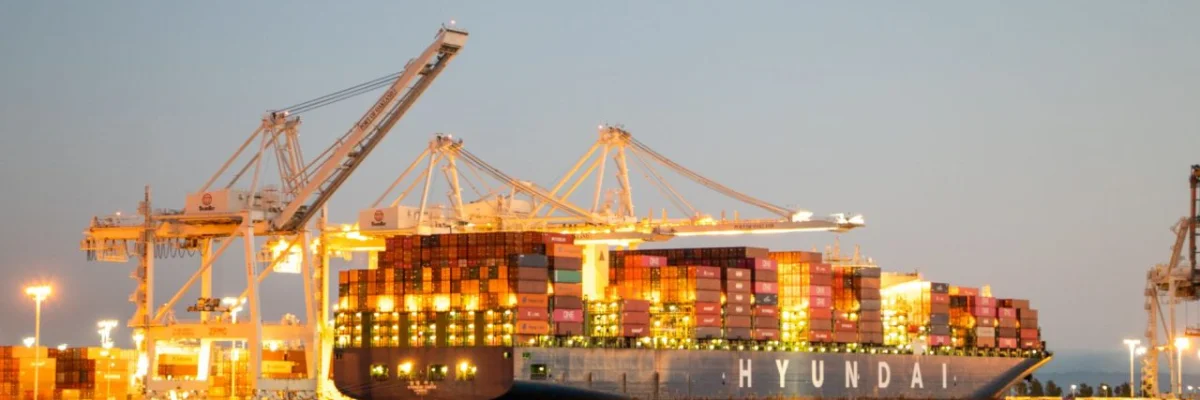
The global logistics landscape is undergoing a massive transformation driven by digital integration and the demand for absolute transparency. For freight forwarders, the ability to manage shipping and tracking workflows with precision is no longer just a competitive edge but a mandatory requirement for operational success. Clients now expect real-time updates and seamless communication throughout the entire supply chain journey. By leveraging advanced cloud-based software, forwarders can eliminate manual bottlenecks, reduce costly human errors, and provide actionable insights that foster long-term client trust. Embracing these technological shifts ensures that your business stays resilient in a volatile international market.
Optimizing Shipment Visibility
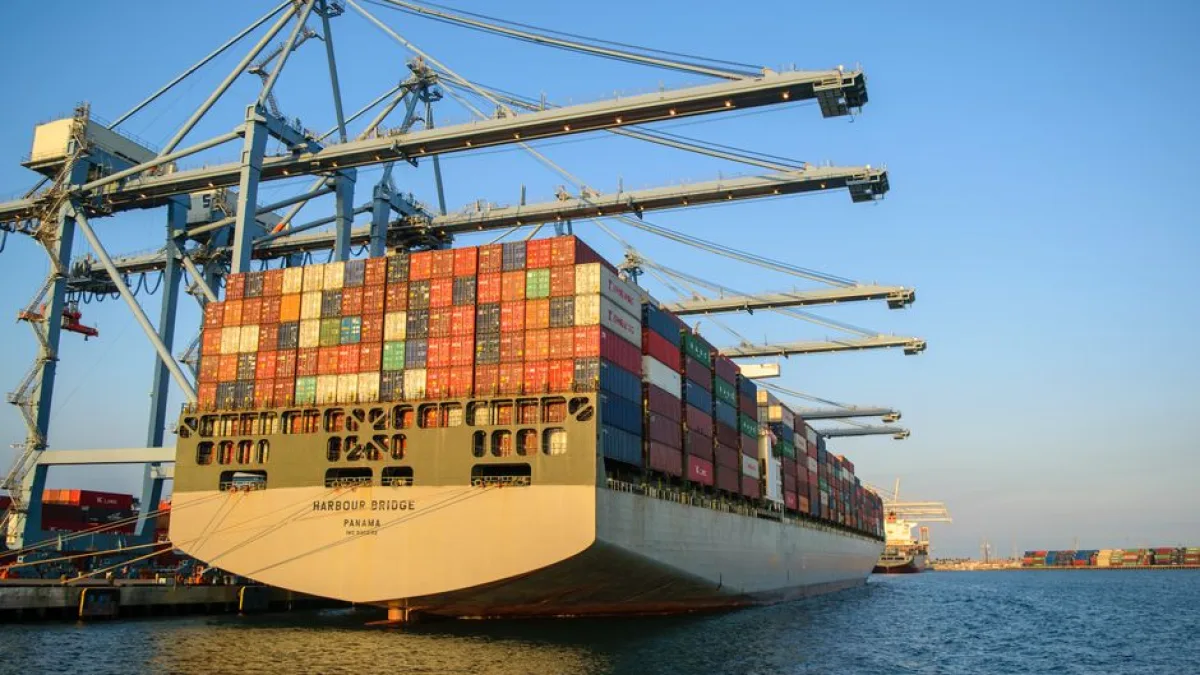
High-resolution visibility platforms serve as the backbone for modern logistics firms aiming to provide accurate status updates. By integrating live tracking data, forwarders can monitor every milestone of the shipping process while proactively identifying potential bottlenecks before they impact delivery schedules.
- Automated Tracking Updates: Digital systems push status changes directly to your dashboard, allowing your team to focus on resolving exceptions rather than manually updating shipment logs for every client request.
- Real-time Carrier Integration: Seamlessly connecting with major ocean and air carriers provides live vessel positioning and arrival data, ensuring that your tracking portal always displays the most current information.
- Proactive Exception Management: Early detection of shipping delays or customs holds allows your operations staff to notify stakeholders instantly and implement contingency plans to minimize cargo arrival impact.
- Client Portal Access: Providing a branded customer portal enables your clients to view their own shipping statuses, which reduces the volume of repetitive status update inquiries for you.
Achieving total shipment visibility transforms the customer experience from reactive to proactive. By providing clear and reliable data, you build a foundation of accountability that separates your services from competitors. Modern tracking tools empower your team to handle complex logistics with confidence, ensuring that every stakeholder remains informed and satisfied throughout the entire lifecycle of a shipment, regardless of external disruptions or unforeseen global changes.
Standardizing Data Management

Data fragmentation often leads to miscommunication and delayed documentation processing across various logistics operations. Standardizing how shipment information is captured and shared ensures that all parties operate from a single source of truth, significantly increasing internal efficiency and accuracy.
- Centralized Documentation Storage: Storing all shipping documents in one secure cloud location ensures that your team can access vital paperwork instantly without searching through outdated email threads or files.
- Uniform Reporting Formats: Implementing standardized reporting templates for your clients helps in maintaining professional consistency while ensuring that all essential tracking data is presented in a clear format.
- Streamlined Data Entry: Automated entry systems reduce the need for manual typing, effectively cutting down on the risk of data entry errors that frequently cause customs clearance delays.
- Enhanced Search Capabilities: Advanced indexing features allow your staff to quickly locate historical shipment data or specific reference numbers, making audits and client inquiries much faster to resolve.
Efficient data management is the invisible engine that powers successful freight operations. By removing the friction associated with manual document handling, you enable your team to focus on high-value logistics strategy. Consistent data practices do not just save time; they protect your reputation by ensuring that every shipment is backed by accurate, accessible, and well-organized information that supports long-term operational excellence and scalability.
Leveraging Real-time Analytics

Transforming raw shipping data into actionable intelligence is a critical step for growth-focused freight forwarders. With real-time analytics, you can analyze historical performance trends to optimize future routing choices, reduce overhead costs, and refine your overall service delivery strategy for better performance.
- Route Performance Analysis: Reviewing historical shipping data helps identify the most reliable carriers and routes, enabling you to make data-driven decisions that minimize transit times for your customers.
- Cost Efficiency Tracking: Analyzing spend patterns across different lanes allows you to spot opportunities for better carrier negotiations and improved budget management for your most active accounts.
- Carrier Reliability Metrics: Monitoring the performance of various shipping lines enables you to evaluate partners based on actual data rather than anecdotal evidence or past personal assumptions.
- Trend Forecasting Insights: Predictive modeling tools utilize your existing tracking data to anticipate seasonal shifts in volume, ensuring that your resources are appropriately allocated for upcoming demand.
Analytics move your business beyond simple transaction management into the realm of strategic partnership. When you provide clients with data-backed insights regarding their supply chain performance, you become an indispensable advisor rather than just a logistics provider. Leveraging these tools helps you predict market challenges and adjust your services accordingly, ensuring your company remains agile and profitable in an increasingly complex industry environment.
Scaling Through Cloud Automation

Transitioning to cloud-based automation is the most effective way to scale your freight forwarding operations without proportionally increasing your administrative overhead. Automation handles repetitive tasks, freeing your experts to focus on logistics innovation and building stronger relationships with your key international shipping partners.
- Automated Milestone Alerts: Configurable alerts notify specific team members or clients when cargo reaches pre-defined milestones, keeping everyone synchronized without requiring manual email correspondence or constant phone updates.
- Digital Document Workflows: Automating the routing and approval process for bills of lading and invoices ensures that documentation flows through your system with minimal human intervention or delay.
- Cloud-based Scalability: A cloud infrastructure grows with your company, allowing you to add new users, branches, or logistics services without the need for massive upfront IT investments.
- Integrated Software Ecosystems: Modern platforms offer APIs that connect your logistics software to accounting and CRM tools, creating a unified digital environment for all your business processes.
Cloud automation is the essential catalyst for modern freight forwarding success. By automating the mundane aspects of tracking and documentation, you create a robust workflow that supports growth and innovation. This digital foundation allows your team to manage higher shipment volumes with greater accuracy and less stress, ultimately leading to higher profit margins and a more resilient, technology-driven logistics operation overall.
Conclusion

Mastering modern shipping and tracking is essential for forwarders who want to thrive in today's digital logistics market. By focusing on visibility, data integrity, advanced analytics, and cloud automation, you can improve client satisfaction while simultaneously optimizing internal operations. Start modernizing your workflow today to stay ahead of industry demands and secure your firm's future as a leader in the global logistics space.