Mastering Modern Shipping and Tracking for Freight Forwarders
Saturday, October 10 2026

The global logistics landscape is undergoing a massive digital transformation that demands unprecedented visibility and precision. Freight forwarders are no longer just movers of goods but are now primary providers of data-driven supply chain intelligence for their clients. As volatility remains a constant challenge in international shipping, the ability to track assets in real time has become the single most important competitive advantage. Forwarders who leverage cloud-based platforms to unify their shipping workflows can effectively eliminate manual errors, reduce operational bottlenecks, and provide the transparent, proactive communication that modern shippers demand in this fast-paced, interconnected global economy.
Optimizing Real-Time Shipment Visibility
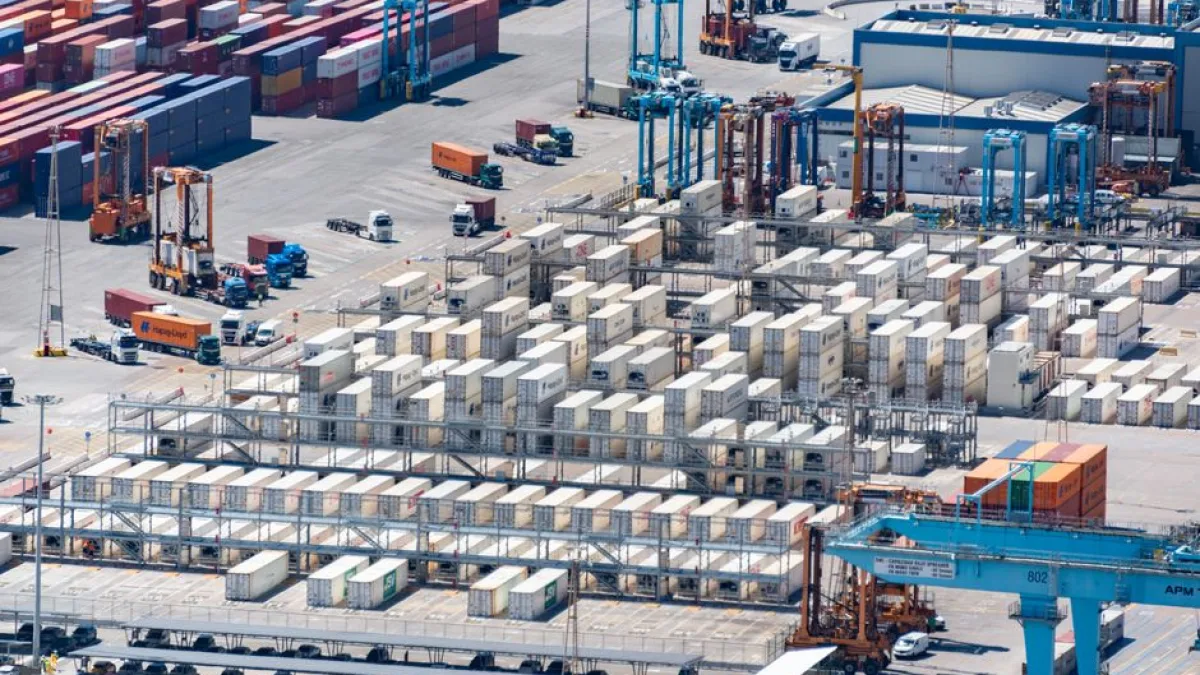
Real-time visibility represents the cornerstone of modern logistics, allowing forwarders to monitor cargo progress across complex multi-modal journeys. By integrating satellite and terrestrial tracking data, firms can provide clients with accurate updates, ensuring that every stakeholder remains informed throughout the entire lifecycle of a shipment.
- Advanced GPS Integration: Modern software platforms enable seamless connectivity with global tracking networks to monitor container locations precisely while vessels are in transit across major international shipping lanes worldwide.
- Automated Milestone Updates: Digital systems trigger instant notifications for key transit milestones, ensuring that clients receive proactive information rather than waiting for manual status reports from various carriers.
- Predictive Arrival Forecasting: Using historical data and current port congestion metrics, platforms can calculate highly accurate arrival times, helping teams manage downstream warehouse planning and final mile logistics effectively.
- Exception Management Alerts: Intelligent algorithms identify potential delays before they escalate, allowing freight forwarders to pivot strategies and inform stakeholders immediately to minimize the impact of port disruptions.
Achieving total shipment visibility requires more than just basic tracking tools; it demands a comprehensive digital ecosystem. When you integrate live data into your central platform, you remove the guesswork from your daily operations. This proactive approach strengthens client trust and builds long-term loyalty by showing that your firm prioritizes transparency and efficiency, effectively distancing your services from traditional providers relying on slow manual updates.
Leveraging Cloud Platforms for Scalability

Moving away from legacy spreadsheets and local servers is essential for firms aiming to grow their volume without increasing administrative overhead. Cloud platforms provide the scalability needed to manage surging shipment counts while keeping all critical documentation organized and accessible from any global location.
- Unified Data Storage: Consolidating shipment records in one cloud environment ensures that your entire global team accesses the same current information, eliminating discrepancies between regional office communications and updates.
- Automated Documentation Flow: Digital platforms streamline the creation of essential bills of lading, commercial invoices, and packing lists by pulling data directly from shipment tracking and status logs.
- Enhanced User Collaboration: Cloud tools allow multiple stakeholders to view shipment progress simultaneously, which significantly reduces the time spent on internal email threads and status inquiry phone calls.
- Custom Reporting Tools: Freight forwarders gain the ability to generate detailed analytics reports for their clients, providing actionable insights into carrier performance and overall logistics cost trends over time.
Adopting a cloud-based infrastructure transforms how your business scales during peak seasons. By automating the routine aspects of documentation and data entry, your staff can focus on high-value tasks like strategic route planning and relationship management. This shift not only improves internal productivity but also presents a more professional, tech-forward image to your customers, which is vital for winning larger logistics contracts.
Managing Exceptions with Proactive Intelligence

Global shipping is inherently unpredictable, making exception management a critical skill for any successful forwarder. When unexpected events like vessel delays occur, having a systematic way to identify, analyze, and mitigate these issues is what separates industry leaders from those who merely react.
- Automated Delay Notifications: Software systems monitor carrier schedules constantly, automatically flagging any deviations in transit time so that forwarders can take immediate action to notify their affected customers.
- Integrated Communication Channels: Built-in messaging tools allow teams to discuss and resolve shipment issues within the platform, keeping a clear audit trail of all actions and client updates.
- Alternative Routing Plans: Intelligent dashboards highlight potential rerouting options when primary lanes face severe congestion or labor strikes, enabling faster decision-making to maintain supply chain flow for clients.
- Proactive Problem Resolution: Instead of waiting for a client to ask for a status update, forwarders can reach out first with a resolution, demonstrating high-level service and reliability.
Managing shipping exceptions requires a blend of human expertise and advanced software intelligence. By utilizing automated alerts, your team can address minor disruptions before they become major crises for your customers. Providing this level of proactive service proves your value as an essential logistics partner, ensuring that your clients feel confident in your ability to handle any obstacle that impacts their goods.
Building Stronger Customer Relationships

The quality of your client interactions is ultimately defined by the accuracy and availability of information regarding their shipments. Providing a self-service portal or a dedicated tracking interface allows clients to find what they need instantly, freeing your team to focus on high-level growth initiatives.
- Self-Service Tracking Portals: Giving customers 24/7 access to their own branded tracking dashboards reduces the volume of repetitive inquiry calls and emails handled by your customer service team.
- Transparent Performance Reporting: Sharing objective performance metrics with clients builds a partnership based on data and honesty, which strengthens long-term contracts and encourages future growth in business.
- Personalized Notifications Setup: Allow clients to select their preferred communication frequency and method for updates, ensuring that they receive only the information that is most relevant to them.
- Centralized Document Access: Clients appreciate having all their shipping invoices and customs declarations in one easy-to-reach location, which simplifies their own record-keeping and accounts payable processes daily.
When you provide clients with easy access to their shipment data, you empower them to manage their own workflows while you maintain control of the logistics process. This transparent relationship is the hallmark of modern freight forwarding. It creates a seamless experience that builds immense brand equity and makes your services indispensable, effectively securing your firm against competitors who still rely on outdated communication.
Conclusion

Modernizing your shipping and tracking operations is no longer optional for firms that wish to remain competitive in a crowded market. By leveraging cloud technology and prioritizing data visibility, your freight forwarding company can significantly enhance efficiency and client satisfaction. Start evaluating your digital tools today to ensure that your business remains at the cutting edge of logistics excellence and sustainable growth for the future.