Mastering Modern Shipping and Tracking for Freight Forwarders
Wednesday, October 7 2026
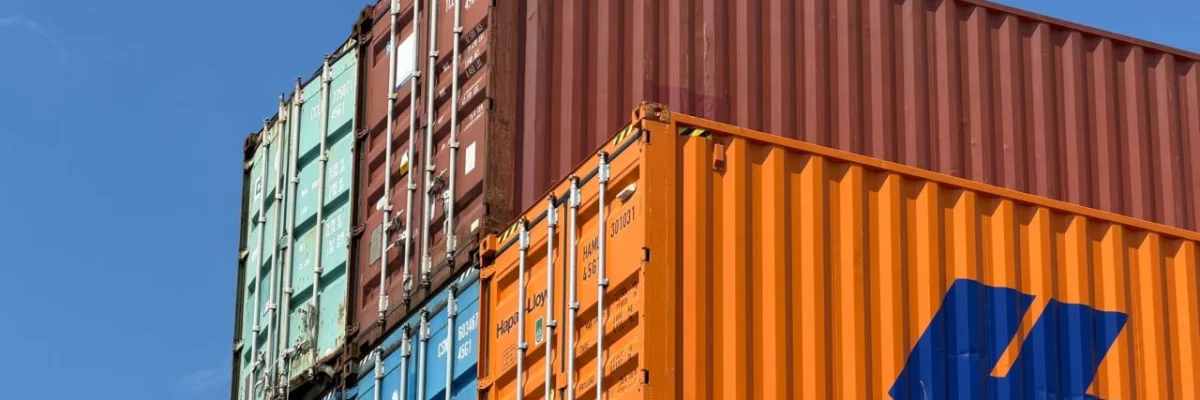
In the fast-paced world of global logistics, the ability to track shipments with absolute precision is no longer an optional luxury but a core operational requirement. Freight forwarders are under immense pressure to provide real-time updates while navigating complex international supply chains and fluctuating market demands. By leveraging cloud-based platforms like MakeCargo, professionals can centralize fragmented data streams into one cohesive dashboard. This technological shift allows forwarders to move beyond manual data entry and reactive problem-solving, enabling a proactive stance that delights clients and optimizes overall cargo throughput in an increasingly competitive and volatile global trade environment.
Optimizing Real-Time Visibility
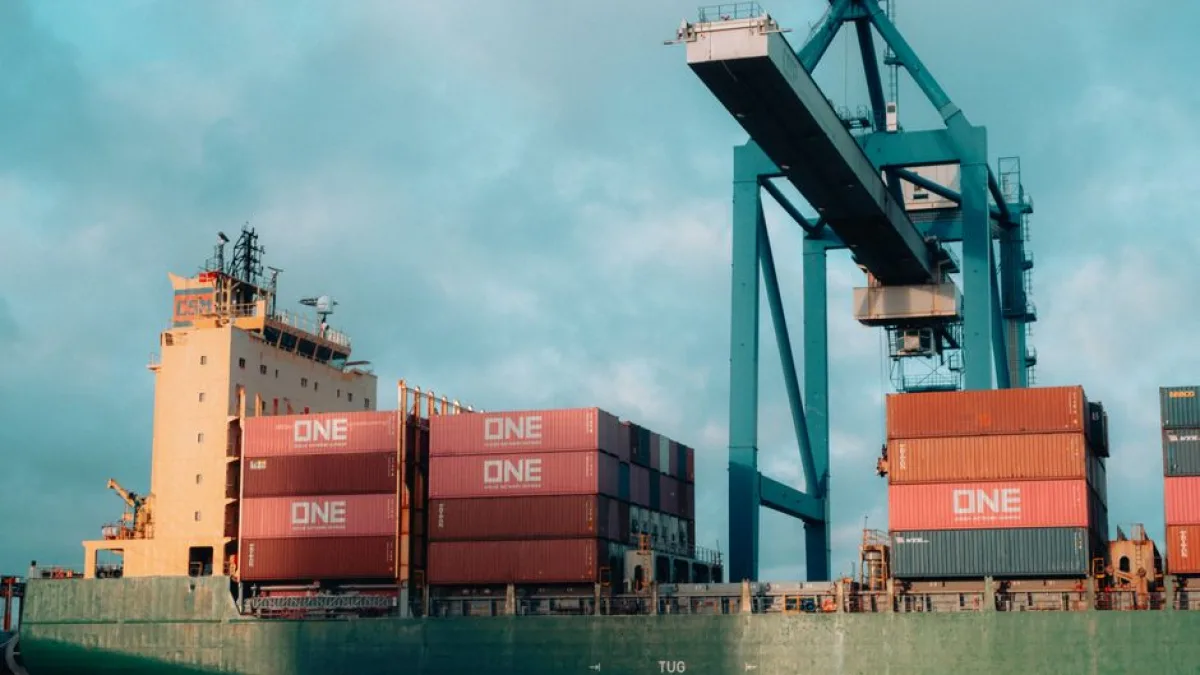
Real-time visibility represents the cornerstone of modern logistics management. By utilizing advanced tracking technologies, freight forwarders can monitor cargo movements across borders with unprecedented accuracy, ensuring that every stakeholder remains informed about potential delays or critical updates throughout the journey.
- Live GPS Tracking: Integrate satellite data to receive continuous location updates for every vessel or vehicle in your fleet, ensuring you can provide instant answers to client status inquiries.
- Automated Milestone Alerts: Configure your software to send triggered notifications when cargo reaches key transit points, reducing the need for constant manual checks by your internal logistics team.
- Customizable Client Dashboards: Provide your customers with a secure portal where they can view their shipment progress in real time, which significantly increases transparency and fosters long-term client trust.
- Data Accuracy Improvement: Eliminate common human errors associated with manual spreadsheet updates by connecting directly to carrier APIs for automatic and reliable data ingestion into your system.
Achieving total visibility empowers your team to anticipate bottlenecks before they escalate into major disruptions. When you rely on automated systems rather than fragmented communication channels, your operational efficiency improves dramatically. This shift not only saves precious time for your staff but also positions your company as a reliable partner capable of handling the most complex shipping requirements with total confidence and ease.
Managing Exceptions and Delays
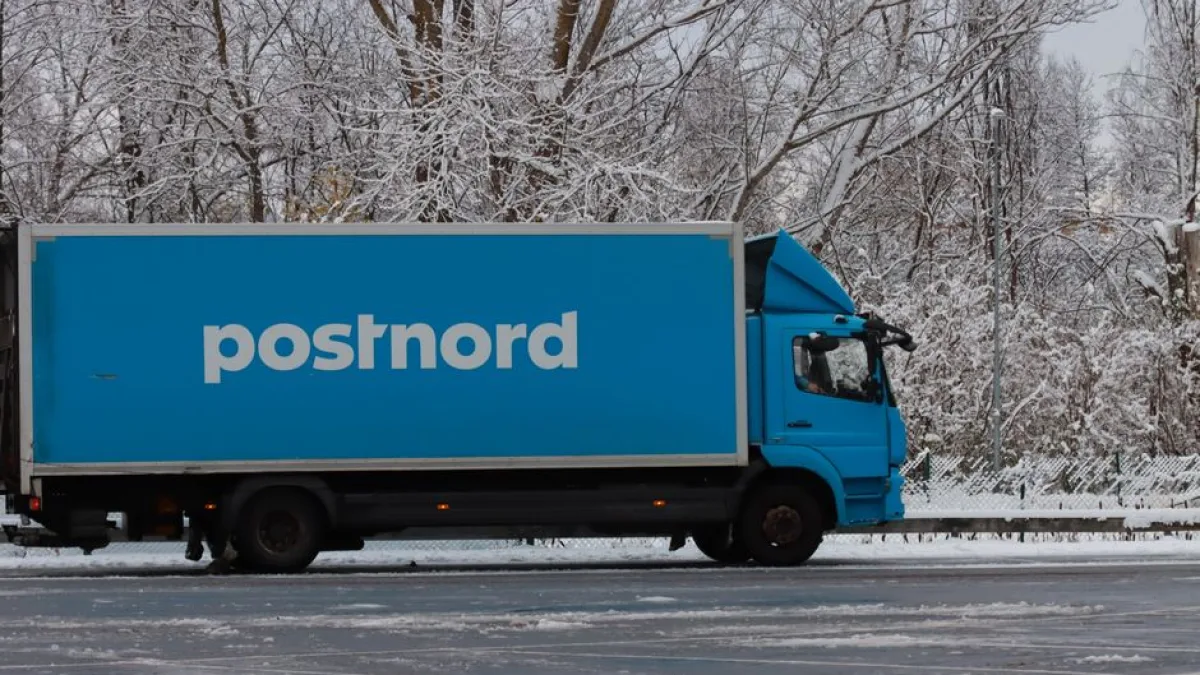
Exception management is where exceptional forwarders distinguish themselves from the competition. When unforeseen challenges arise, having a robust tracking system allows you to identify the source of the delay instantly and implement contingency plans to mitigate the impact.
- Proactive Exception Alerts: Set up smart filters that immediately notify your operations staff the moment a shipment deviates from the planned route or misses a critical port connection.
- Digital Documentation Access: Attach all relevant customs clearance papers and shipping manifests directly to the shipment record, ensuring quick resolution if cargo is held at international borders.
- Collaborative Internal Workflow: Enable your team to tag specific colleagues in shipment comments to resolve issues quickly, ensuring that everyone remains aligned during high-pressure transit delay situations.
- Contingency Route Planning: Utilize historical shipment data to quickly identify alternative ports or carriers when specific routes are blocked, keeping your client supply chains moving despite global volatility.
Handling disruptions effectively requires rapid access to both data and communication tools. By utilizing a centralized platform, your team can resolve bottlenecks without searching through long email chains. Providing solutions to your clients before they even notice a problem develops a reputation for excellence that will set your freight forwarding business apart in a crowded market that demands constant reliability and accountability.
Integrating Carrier Data Feeds

Integrating diverse carrier feeds is essential for creating a unified view of global operations. By standardizing disparate data formats into one intuitive software interface, freight forwarders can effectively manage multi-modal shipments without getting lost in the technical complexity of data.
- Seamless API Connectivity: Connect directly to major shipping lines and freight carriers to pull status updates into your software without requiring any complex manual data integration.
- Data Standardization Efforts: Map different carrier status codes to your own internal system settings so that you always speak a consistent language across your entire operation.
- Consistent Update Frequency: Ensure your platform refreshes data from carriers at set intervals, providing your clients with the most up to date information available in the industry.
- Scalable Integration Options: Choose a software platform that allows you to easily add new carrier connections as your business grows and your shipping routes become more diverse.
When you successfully bridge the gap between various carrier systems, you gain a holistic view of your entire business. This connectivity removes the technical barriers that often slow down logistics operations. As you move forward, focus on partnerships with software providers that prioritize flexible integrations, ensuring your freight forwarding business remains adaptable to the ever-evolving requirements of global shipping networks and technology.
Enhancing Customer Communication

Superior communication is the primary bridge between logistics success and client retention. Proactive updates regarding cargo status prevent unnecessary panic and keep the supply chain functioning smoothly, ensuring that your clients feel supported and valued throughout the entire shipment lifecycle.
- Automated Status Notifications: Trigger personalized emails or text messages to your clients whenever a status change occurs, providing them with peace of mind through every critical stage.
- Centralized Document Portal: Allow your clients to download their own invoices, proof of delivery, and shipping labels from your platform, which reduces your daily administrative workload significantly.
- Customized Reporting Tools: Generate automated performance reports for your clients to demonstrate your value, highlighting key metrics like transit times and overall on-time delivery percentages for them.
- Integrated Chat Support: Add a messaging feature to your client portal, allowing them to ask questions about specific shipments directly where the data is already being displayed.
Building a strong relationship with your customers depends on the quality and speed of your communication. By giving clients the right tools and information, you transform the shipping experience into a transparent partnership. This dedication to excellence ensures that you maintain high client satisfaction rates while also reducing the time your team spends answering routine questions, allowing them to focus on high-value tasks.
Conclusion

Modernizing your shipping and tracking workflow is essential for sustainable growth in the freight forwarding industry. By adopting cloud-based solutions, you gain the visibility, agility, and communication power required to lead the market. Start evaluating your current software capabilities today to ensure your operations are future-proofed. Embracing these advanced digital tools will drive higher efficiency, improve client satisfaction, and secure your long-term success.