Mastering Modern Shipping and Tracking Strategies
Sunday, October 25 2026

Modern freight forwarding requires a seamless flow of data to maintain operational efficiency and satisfy client expectations. As global supply chains grow increasingly complex, the ability to monitor cargo in real time has transitioned from a luxury to a fundamental business necessity. Forwarders who leverage cloud-based platforms gain a decisive edge, allowing them to proactively manage exceptions and reduce transit delays. This guide explores the critical components of effective shipping and tracking, providing you with actionable insights to optimize your logistics workflow, improve transparency for your customers, and ultimately drive sustainable growth for your freight forwarding business in a competitive market.
The Importance of Real-Time Visibility
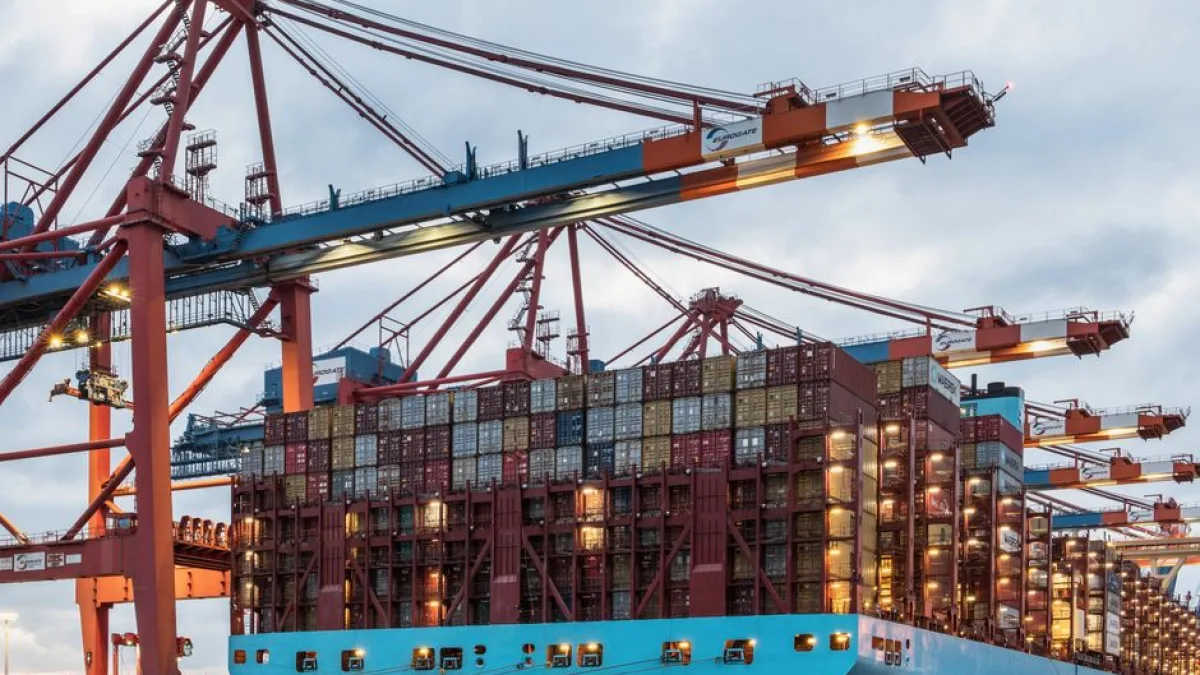
Real-time visibility empowers logistics providers to track assets across the globe with precision. By capturing live data points, companies can identify bottlenecks before they impact delivery schedules, ensuring that cargo moves through the international network without unnecessary interruptions or expensive delays.
- Enhanced Operational Control: Accessing live shipment data allows your team to monitor cargo status across multiple carriers, providing the clarity needed to make informed decisions regarding transit route optimization daily.
- Proactive Problem Solving: Identifying potential delays early enables your staff to communicate effectively with clients, suggesting alternative routing options to bypass congestion and maintain overall supply chain integrity.
- Reduced Manual Errors: Integrating automated tracking feeds directly into your software eliminates the need for manual data entry, significantly reducing the risk of human error during updates.
- Data Driven Decisions: Aggregated tracking logs provide valuable insights into carrier performance patterns, helping you negotiate better rates and service levels based on historical route reliability.
Achieving total visibility transforms your relationship with clients by shifting the focus from reactive firefighting to proactive partnership. When you can provide accurate updates before the customer asks, you establish a reputation for reliability. This level of service builds long term loyalty, distinguishing your agency from competitors who still rely on outdated spreadsheet tracking methods that lack depth and speed.
Streamlining Carrier Communications

Effective communication between your platform and carrier systems remains the backbone of successful freight logistics. When you automate these data exchanges, you remove communication gaps that often lead to missed deadlines and poor stakeholder transparency during complex international shipping projects.
- Automated Status Updates: Connecting your dashboard to carrier APIs ensures that milestones such as gate-in or vessel departure are recorded instantly without requiring manual intervention from your team.
- Unified Messaging Hubs: Centralizing all carrier correspondence within your freight platform prevents vital tracking information from getting lost in fragmented email chains or various personal communication channels.
- Instant Exception Alerts: Automated triggers notify your logistics coordinators immediately when a shipment deviates from the planned route, allowing for rapid assessment and swift remedial action plans.
- Improved Partner Collaboration: Seamless data sharing platforms foster stronger working relationships with local agents and international carriers, ensuring that everyone is aligned on critical delivery requirements.
Optimizing how you communicate with global partners leads to smoother transitions at transshipment hubs and reduces the administrative burden on your staff. By removing the friction of manual data requests, your employees can dedicate their time to high-value tasks such as account management and business development. Consistent, automated updates create a professional environment that clients trust implicitly throughout the shipping process.
Optimizing Shipment Data Accuracy

Data accuracy serves as the foundation for every successful logistical decision made within your platform. Maintaining clean and precise shipment records ensures that billing, reporting, and tracking metrics remain reliable, which prevents significant financial discrepancies and operational headaches for your organization.
- Standardized Data Entry: Implementing uniform templates for bill of lading and tracking documentation prevents inconsistent information, ensuring that every record is searchable and easy for stakeholders.
- Validation Logic Tools: Advanced software features can automatically flag incomplete or suspicious shipment data, prompting users to verify details before they are pushed to the live tracking portal.
- Real Time Syncing: Ensuring that your internal platform syncs with external databases in real time eliminates the possibility of working with stale information during critical transit phases.
- Historical Audit Trails: Detailed logs track every change made to a shipment record, creating a transparent history that simplifies internal audits and resolves billing disputes quickly.
Investing in tools that prioritize data hygiene will yield significant dividends in operational efficiency. When your tracking information is accurate, your financial team can process invoices faster and your customers receive reliable status reports. This discipline creates a culture of accountability where every team member understands the value of precise documentation and its direct impact on overall company profitability and reputation.
Leveraging Advanced Tracking Analytics

Advanced analytics allow forwarders to look beyond the current shipment and identify broader trends that affect the bottom line. By analyzing historical tracking performance, you can uncover hidden efficiencies that reveal where processes can be optimized for better future outcomes.
- Carrier Performance Benchmarking: Analyzing historical transit times across different routes allows you to score carriers based on their actual reliability, not just their published service level agreements.
- Predictive Capacity Planning: Understanding seasonal trends through analytics helps you anticipate surges in freight volume, allowing for better allocation of resources and improved service consistency.
- Cost Saving Identification: Identifying recurring transit delays allows your team to pinpoint specific bottlenecks in the supply chain, enabling strategic changes that reduce overall operational logistics costs.
- Performance Reporting Dashboards: Custom reports provide clear visual representations of your key performance indicators, making it easy to present progress and value to your most important clients.
Utilizing analytical insights turns raw data into a competitive advantage for your freight forwarding business. Instead of simply moving boxes from origin to destination, you provide consultative value that helps your clients navigate market complexities. Those who master the art of data interpretation will find themselves better positioned to adapt to changing market conditions while consistently delivering superior logistics results every single time.
Conclusion

Mastering modern shipping and tracking is essential for success in the competitive freight forwarding industry. By adopting cloud-based technology, prioritizing data accuracy, and leveraging advanced analytics, you can elevate your service levels and drive operational efficiency. Start optimizing your logistics workflow today to ensure your business remains agile, transparent, and ready to meet the evolving demands of your global shipping clients.