Mastering Ocean Freight Efficiency in a Digital Era
Friday, July 24 2026
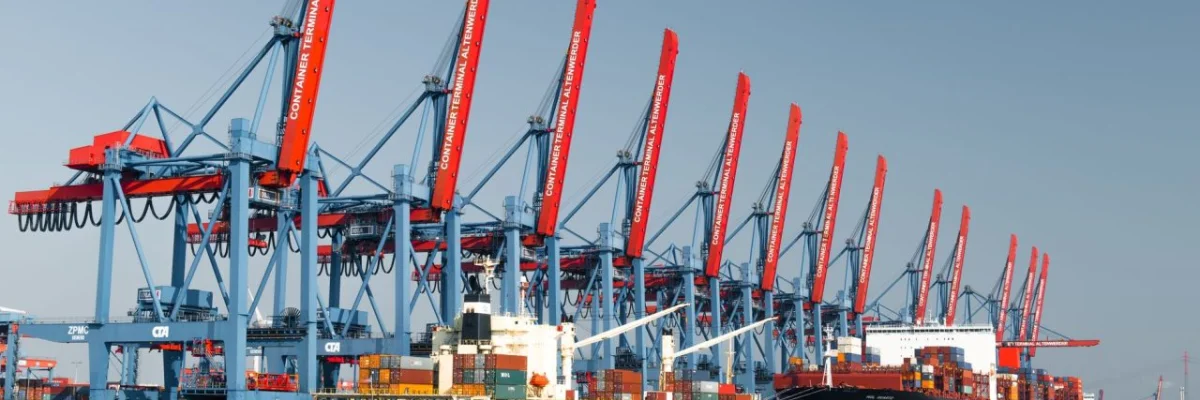
Global supply chains face unprecedented volatility as freight forwarders struggle to balance capacity constraints with rising customer expectations. Transitioning from legacy manual systems to cloud based platforms has become a necessity for survival in the modern shipping landscape. By leveraging real time visibility and automated documentation workflows, forwarders can significantly reduce operational bottlenecks that plague traditional sea freight operations. This article explores essential strategies to refine your ocean freight processes, ensuring that your organization remains competitive, agile, and prepared to handle the complexities of international trade in an increasingly interconnected and digital world.
Optimizing Container Load Planning
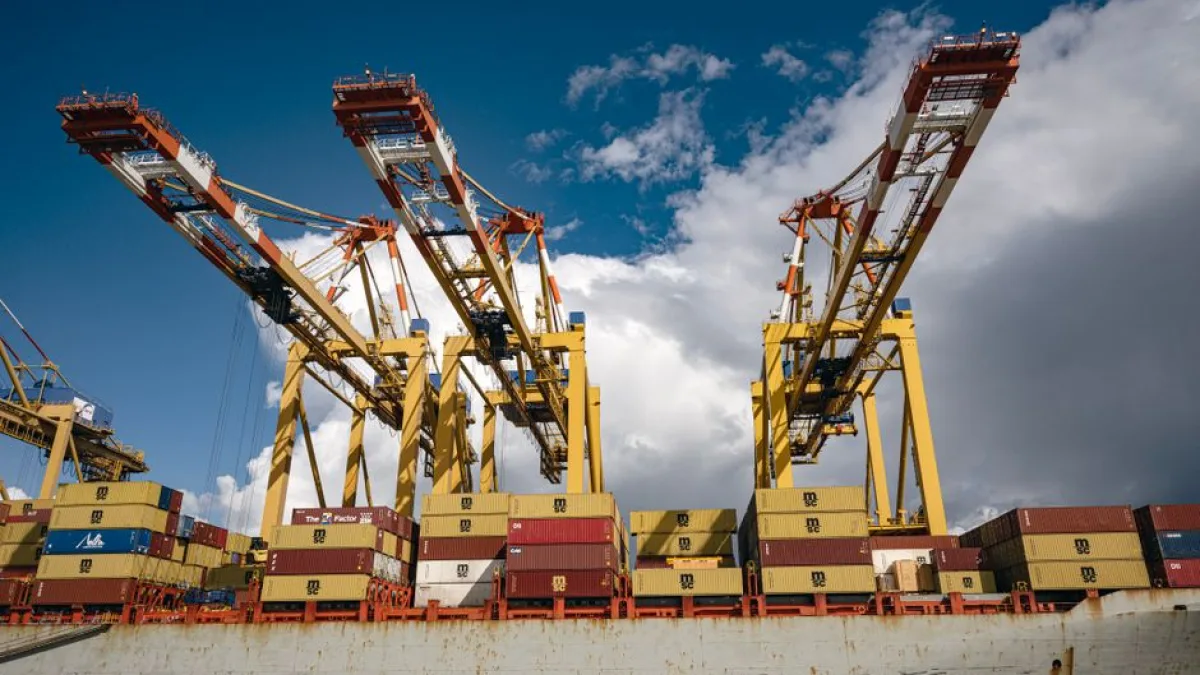
Effective load planning is the foundation of successful ocean logistics. By maximizing container space and ensuring proper weight distribution, forwarders can minimize shipping costs and reduce environmental impact while simultaneously ensuring the safety and integrity of the goods being transported across oceans.
- Space utilization analytics: Use advanced software tools to analyze volumetric data and stack cargo configurations to ensure that every available cubic meter is occupied correctly for maximum profit margins.
- Weight distribution logic: Calculate the center of gravity for every shipment to prevent safety hazards during sea transit and avoid heavy weight surcharges imposed by major carrier lines.
- Automated loading manifests: Generate accurate documentation instantly through software to prevent clerical errors that often lead to delays at customs checkpoints or port terminal gate entry points.
- Environmental compliance tracking: Monitor carbon footprint metrics for each container movement to provide clients with the sustainability data required to meet modern corporate environmental responsibility goals and standards.
Adopting sophisticated load planning strategies is no longer optional for firms aiming to scale their operations. When you prioritize structural efficiency and digital accuracy, you effectively transform the way your team handles high volumes of maritime trade. These improvements lead to lower overhead expenses, better carrier relationships, and a superior service experience for your clients, ultimately driving long term growth for your logistics business.
Digital Documentation and Compliance

Paperwork remains one of the largest friction points for ocean freight professionals. Streamlining the creation and approval of bills of lading, commercial invoices, and packing lists is critical to avoiding costly port storage fees and shipment release delays.
- Automated document generation: Utilize templates that auto populate based on shipment data to eliminate repetitive data entry tasks and reduce human error during the critical documentation phase.
- Cloud based approvals: Allow shippers and consignees to review and digitally sign essential shipping documents through secure portals to expedite the entire clearance process significantly.
- Real time status updates: Sync your documentation platform with customs authorities to receive immediate notifications regarding compliance changes or requests for additional cargo verification documentation today.
- Encryption for security: Protect sensitive commercial information using high level digital security standards to prevent data breaches that could compromise the integrity of your international shipments.
Automated documentation is the key to unlocking true operational speed. By removing manual paper trails, your team can focus on solving complex logistical challenges rather than correcting typos on shipping forms. This shift not only accelerates the transit process but also provides a professional edge that keeps your clients satisfied while ensuring that every shipment moves through customs with minimal friction.
Real Time Visibility Solutions

Knowing the exact location of goods in transit allows forwarders to provide proactive service to their clients. Modern tracking technology provides the clarity needed to navigate unexpected weather events, port strikes, or other disruptions that commonly affect maritime lanes.
- Integrated carrier tracking: Connect your software directly to carrier API feeds to receive live updates regarding vessel movements and projected arrival times at global ports.
- Geofencing alert systems: Set up automatic notifications that trigger when a vessel reaches specific geographic zones to keep stakeholders updated on progress without manual check ins.
- Disruption impact analysis: Assess how vessel delays influence downstream delivery timelines to proactively suggest alternative routing options before client supply chains suffer any significant negative impacts.
- Consolidated dashboard views: Present all your active shipment tracking data in a single clean interface to give your operations team a holistic view of ocean activity.
Real time tracking is the ultimate tool for transparency in the freight industry. When you offer your customers a clear window into their cargo journey, you build deep trust and long term loyalty. By anticipating disruptions and communicating them before they become crises, your firm positions itself as a strategic partner rather than just a simple service provider in the chain.
Carrier and Vendor Management
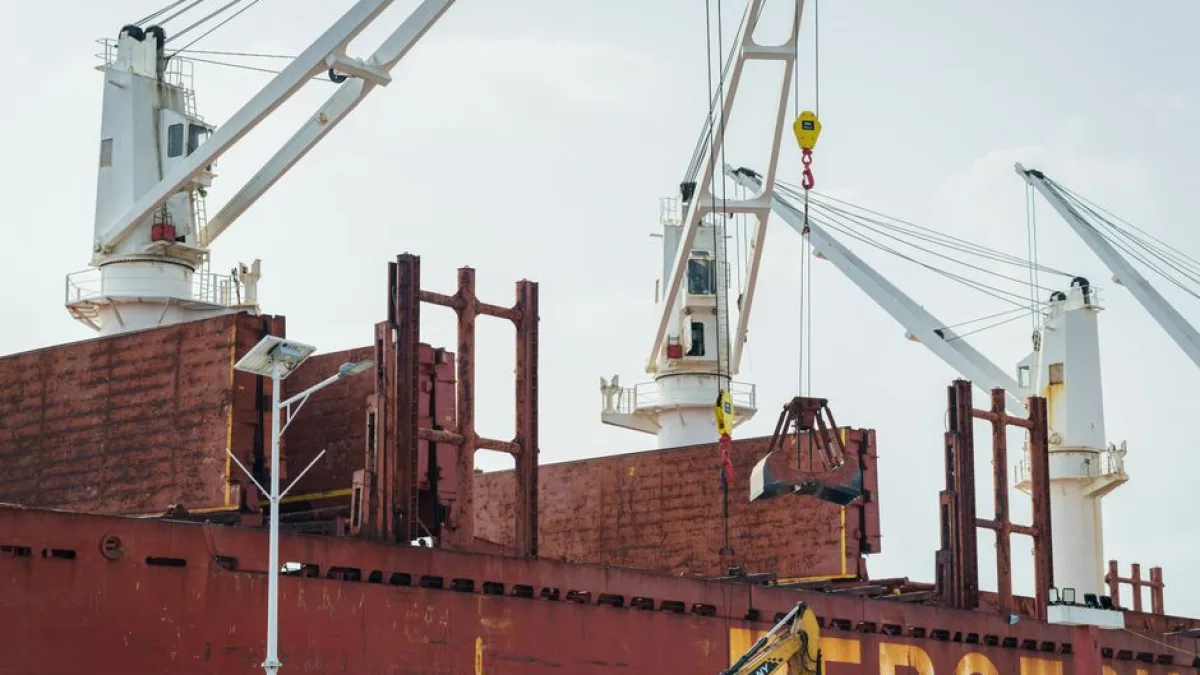
Managing relationships with ocean carriers is a delicate balance of cost, reliability, and service levels. Forwarders must continuously evaluate their vendor pool to ensure they are securing the best possible rates and capacity for their diverse customer base.
- Carrier performance scoring: Implement a data driven approach to rank carriers based on transit reliability, billing accuracy, and overall responsiveness to help inform future allocation.
- Rate negotiation strategies: Use historical shipment data to leverage better contract terms during renewal periods and ensure your pricing remains competitive in the global market.
- Capacity access planning: Secure prioritized space allocations with major lines to ensure your cargo moves even during peak seasons when container availability becomes extremely tight.
- Vendor communication portals: centralize all conversations with port authorities and drayage providers to keep everyone aligned on pick up schedules and delivery windows for cargo.
Strong vendor management creates a resilient network capable of handling extreme fluctuations in demand. When you cultivate strategic partnerships with carriers and local service providers, you gain an advantage that competitors cannot easily replicate. This collaborative approach ensures that your operations remain smooth regardless of global market pressures, securing your reputation as a reliable and high performing freight forwarder worldwide.
Conclusion
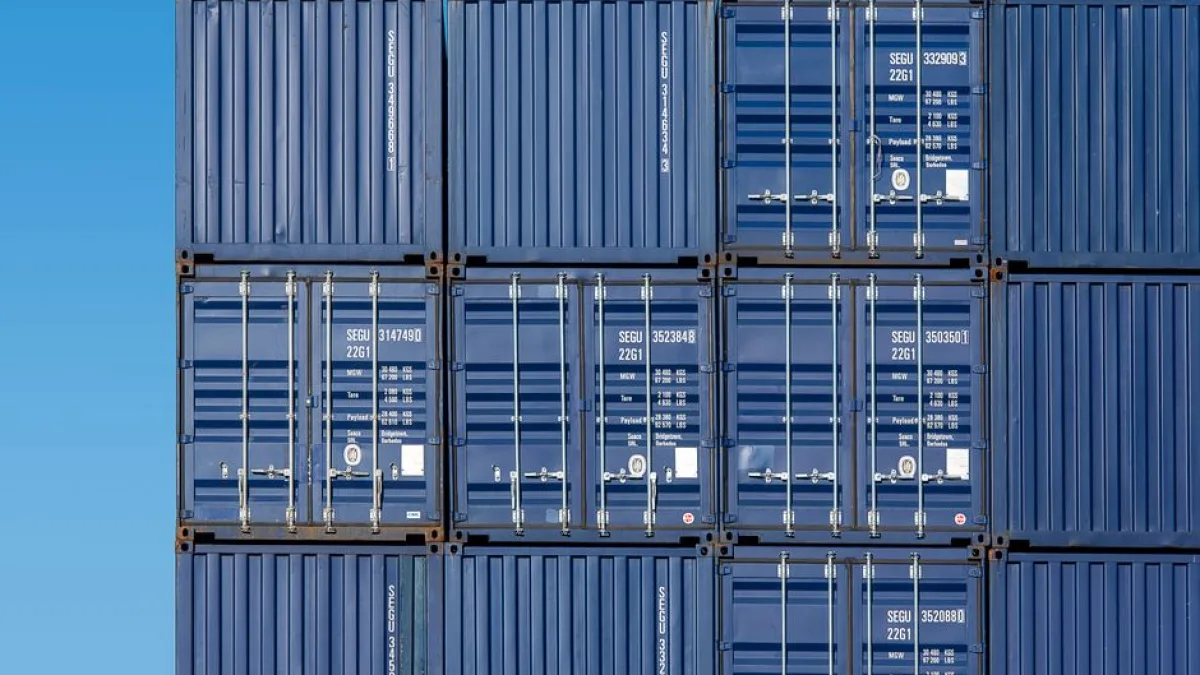
Mastering ocean freight is a continuous process of refining technology and strengthening partnerships. By focusing on digitalization, visibility, and smart load planning, your company can overcome the complexities of the shipping industry and thrive in the modern market. Embrace these strategies to optimize your workflows, reduce operational costs, and deliver the exceptional service that your clients expect in today fast paced global trade environment.