Mastering Ocean Freight Efficiency in a Digital Era
Tuesday, August 25 2026
Navigating the modern ocean freight landscape requires more than just traditional logistics expertise. As global trade lanes become increasingly complex, freight forwarders must leverage cutting-edge technology to maintain a competitive advantage. From real-time visibility to automated documentation, the integration of cloud-based platforms is transforming how cargo moves across the sea. By embracing digital tools, professionals can reduce operational errors, improve communication with stakeholders, and ensure that supply chains remain resilient against unexpected disruptions. This article explores essential strategies to optimize your ocean freight workflows and elevate your service standards in a rapidly changing global market.
Optimizing Container Load Planning
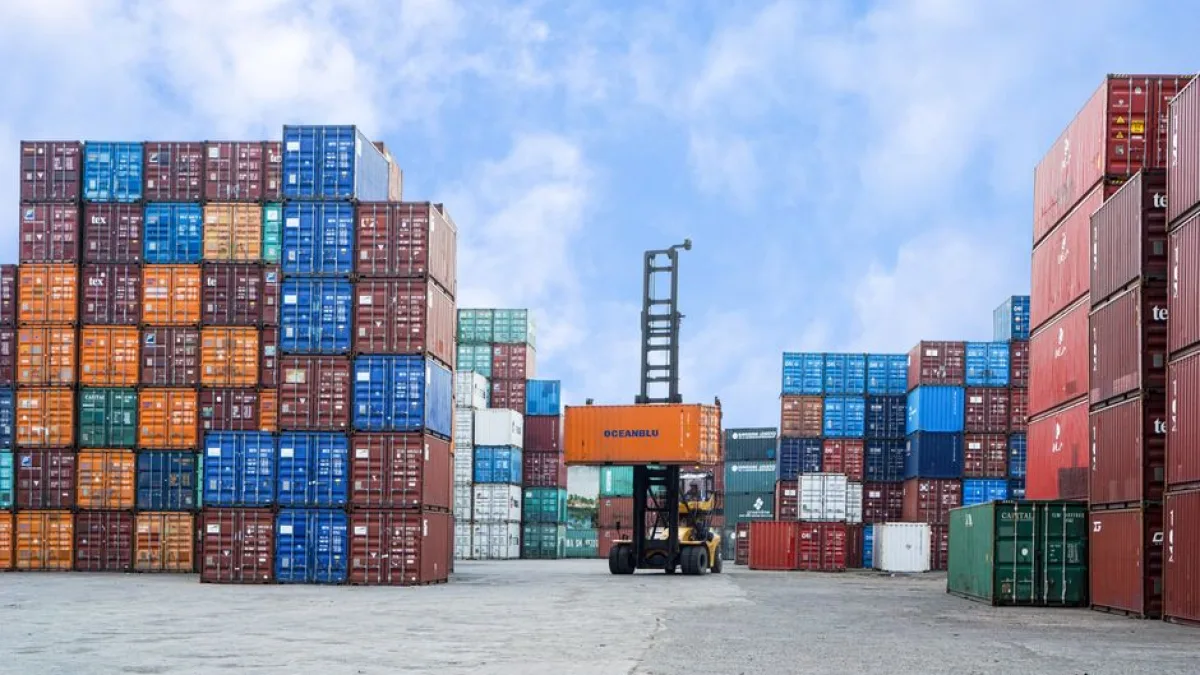
Effective load planning is the foundation of successful ocean freight operations. By maximizing space utilization within containers, forwarders can significantly reduce shipping costs and minimize the environmental footprint associated with frequent vessel journeys and inefficient cargo packing strategies for clients.
- Automated space calculation: Utilizing smart software allows teams to calculate precise volumetric weight and space requirements automatically which reduces the risk of human error during the complex loading phase.
- Weight distribution logic: Implementing advanced algorithms ensures that heavy items are balanced correctly to maintain stability during transit and comply with strict international maritime safety regulations for vessels.
- Stacking optimization tools: Modern digital platforms provide visual guides that instruct warehouse staff on optimal stacking patterns to prevent damage and maximize the utilization of every cubic meter.
- Real-time capacity tracking: Maintaining a live view of available container slots prevents booking delays and allows for proactive planning when dealing with volatile peak season volume fluctuations.
Mastering these technical aspects of load planning helps forwarders provide better value to their customers while maintaining higher margins. When you implement automated systems to handle these heavy calculations, your staff is freed to focus on high-level strategy and customer relationship management. This shift from manual entry to intelligent automated oversight is essential for any modern freight forwarding company aiming for long-term growth and success.
Enhancing Real-Time Cargo Visibility
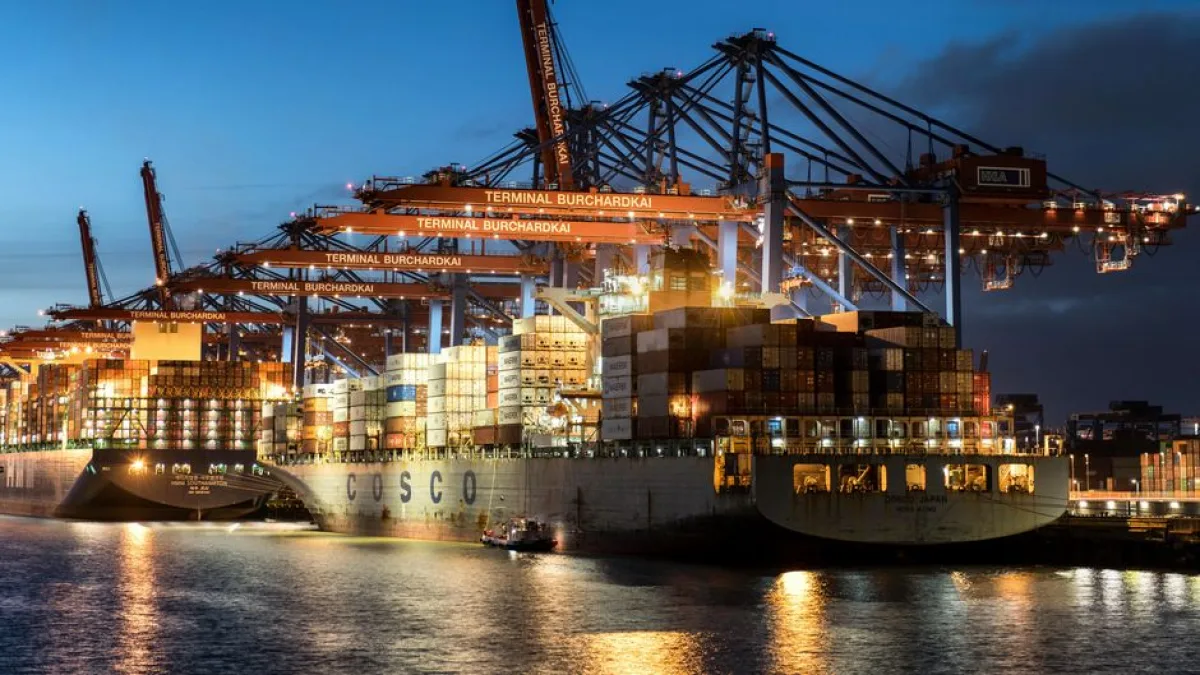
In the current logistics climate, clients expect instant updates regarding their shipment status. Providing transparent visibility throughout the entire ocean transit process is no longer a luxury but a fundamental service requirement that builds long-term trust and reliability.
- Integrated tracking APIs: Connecting your management platform directly to carrier systems provides instantaneous status updates which eliminates the need for manual status checks and constant email updates.
- Automated milestone notifications: Configure custom alerts to notify stakeholders automatically when cargo reaches key transit points such as terminal gate-in or vessel departure to ensure everyone stays informed.
- Exception management dashboards: High-level dashboards highlight delayed shipments early so that teams can take corrective actions before small issues escalate into major delivery problems for the client.
- Digital document access: Providing clients with a secure portal to download bills of lading and customs documents saves time and reduces the reliance on traditional paper processes.
Visibility serves as the backbone of modern customer service. By providing your clients with an intuitive digital dashboard, you differentiate your firm from competitors still relying on manual spreadsheets. Transparency reduces anxiety for your customers and minimizes the time your team spends answering routine status inquiries. Investing in visibility tools creates a seamless communication loop that keeps all parties aligned during transit.
Streamlining Documentation and Compliance

Handling customs paperwork and maritime documentation can be a major bottleneck in ocean freight operations. Digital documentation platforms streamline the flow of information between shippers, carriers, and customs authorities, ensuring compliance and preventing costly delays at busy international ports.
- Cloud based filing systems: Centralizing all documents in a secure cloud environment ensures that your entire team can access the latest versions of files from anywhere at any time.
- Customs automation tools: Integrated software solutions help forwarders prepare error-free customs declarations by pulling data directly from existing booking information to avoid penalties or cargo seizures.
- Digital signature integration: Adopting electronic signatures speeds up the approval process for critical shipping documents and eliminates the need for physical couriers or slow mail services.
- Automated audit trails: Keeping an accurate digital record of every document version provides peace of mind during compliance audits and helps resolve disputes regarding cargo shipments quickly.
Efficient documentation management is the hidden key to operational excellence. By moving away from paper-heavy workflows, you significantly lower the risk of miscommunication and data entry errors that often lead to port fines. A streamlined digital process empowers your team to handle higher volumes with greater accuracy. This scalable approach allows your business to grow without being held back by cumbersome administrative burdens.
Managing Supply Chain Disruptions
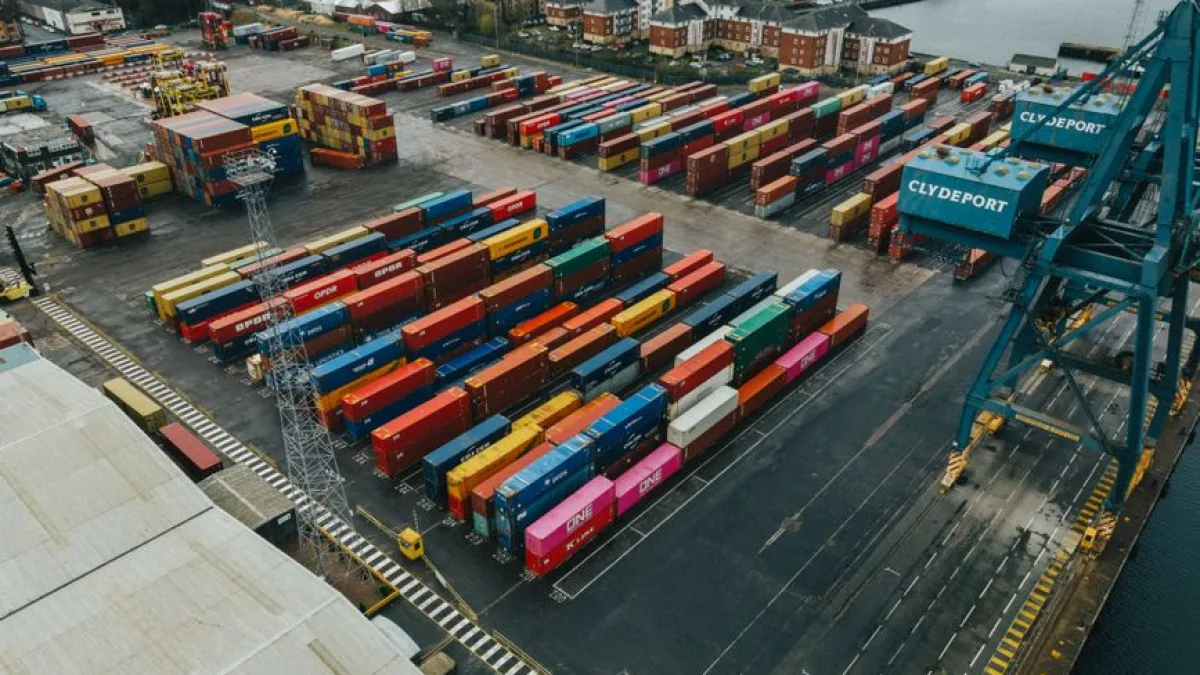
Ocean freight remains highly susceptible to unexpected weather events, port congestion, and geopolitical shifts. Developing a proactive strategy to handle these disruptions is vital for maintaining service continuity and protecting your professional reputation during periods of global instability.
- Diversified carrier partnerships: Maintaining relationships with multiple shipping lines allows for greater flexibility when specific routes face congestion or vessel cancellations impact your existing booking schedules.
- Predictive risk analysis: Using historical data to identify high-risk shipping lanes helps forwarders advise clients on safer alternatives before disruptions actually occur during the peak shipping season.
- Communication contingency plans: Establishing clear protocols for informing clients about delays ensures that your firm handles bad news professionally and maintains strong customer loyalty despite external setbacks.
- Dynamic route optimization: Leveraging software to monitor port performance allows teams to pivot cargo flow to alternate gateways when major hubs face significant bottlenecks or strikes.
Proactive disruption management is what separates top-tier forwarders from the rest of the pack. Even when external forces cause delays, your ability to provide timely solutions keeps you in control of the narrative. By using data-driven insights to navigate around roadblocks, you prove your value as a strategic partner. This commitment to resilience ensures that your clients keep returning to your services.
Conclusion
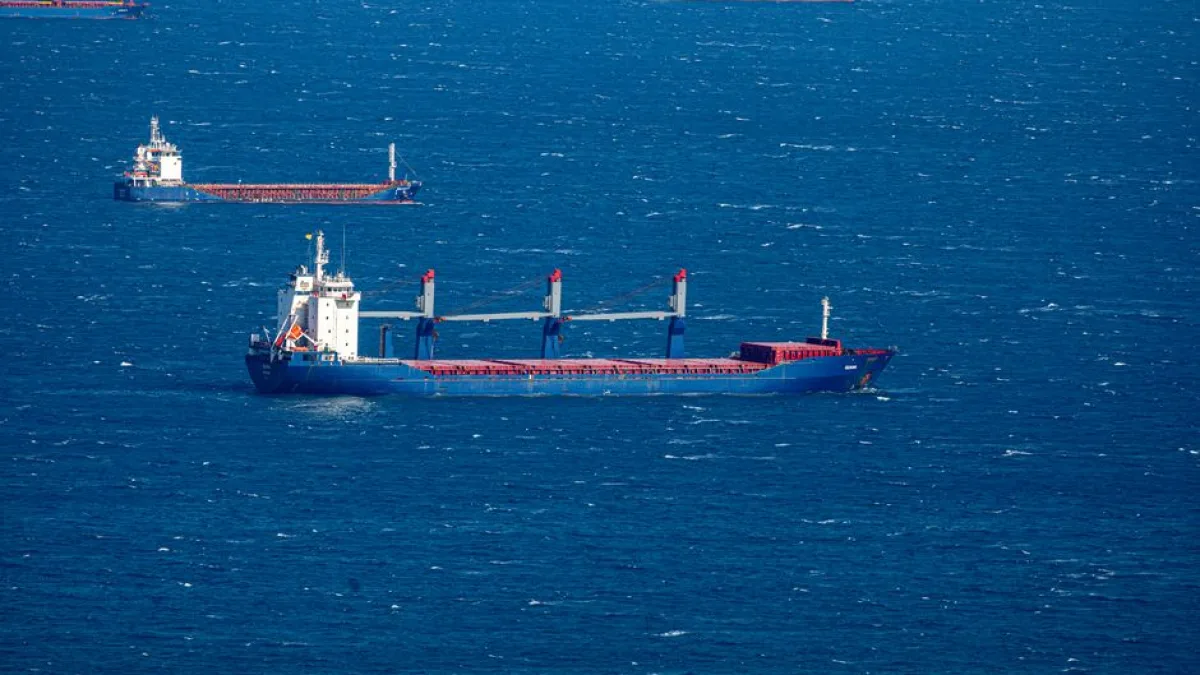
Success in ocean freight depends on your willingness to adopt modern digital tools that improve transparency, speed, and accuracy. By optimizing your container loading, enhancing visibility, digitizing your documents, and preparing for inevitable disruptions, you position your logistics firm for sustainable success. Start integrating these advanced practices into your daily operations today to build a stronger, more resilient supply chain for all your global customers.