Mastering Ocean Freight Operations in a Digital Era
Friday, July 24 2026
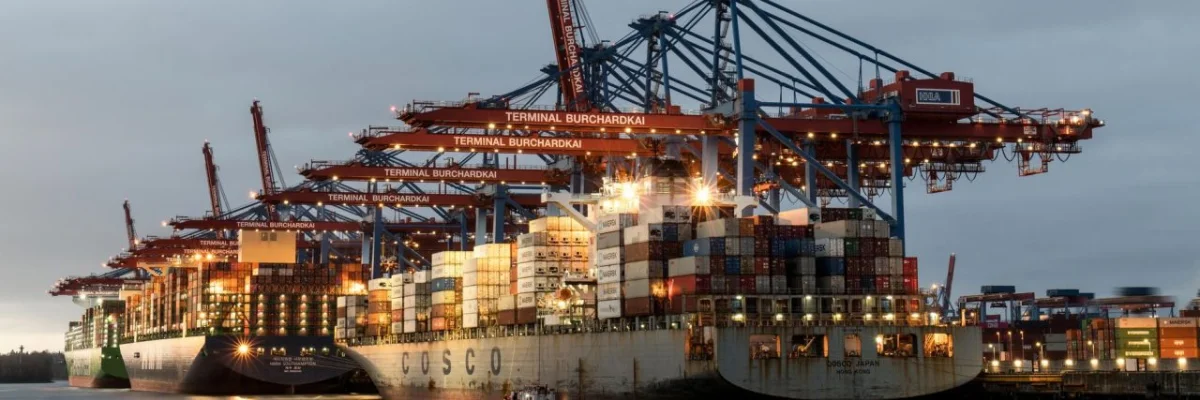
Modern ocean freight requires precision, speed, and seamless communication between stakeholders across the global supply chain. As market volatility continues to challenge traditional logistics providers, adopting cloud based technology becomes essential for maintaining a competitive edge. Forwarders must navigate complex routing, fluctuating fuel costs, and increasing regulatory demands while ensuring that cargo arrives on schedule. By integrating automated workflows and real time visibility tools, freight professionals can transform their daily operations from reactive fire fighting to proactive planning. This guide explores how software solutions enable efficiency, reduce costly manual errors, and empower forwarders to deliver exceptional service quality to their shipping clients every single day.
Optimizing Container Load Management
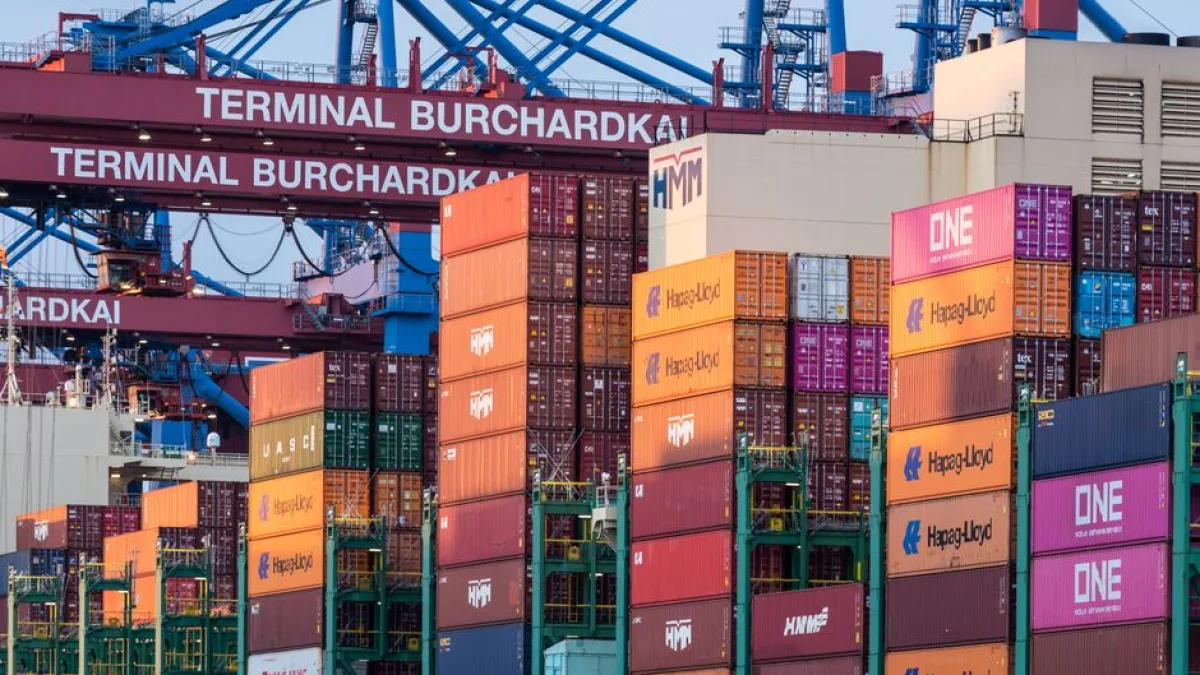
Efficient container management serves as the backbone of successful ocean freight logistics. By utilizing advanced software to organize cargo placement and weight distribution, forwarders can significantly reduce shipping costs and prevent unnecessary delays during the critical loading phase at major ports.
- Automated space planning: Advanced digital tools calculate the most efficient stacking patterns to maximize container utilization while ensuring that the cargo remains safe and compliant with weight restrictions.
- Real time tracking: Visibility systems provide instant updates on container status and location, allowing teams to react quickly to any deviations from the planned shipping schedule.
- Document digitalization: Eliminating physical paperwork reduces human errors and speeds up the customs clearance process by ensuring all required documentation is accurate and instantly accessible.
- Optimized routing paths: Algorithmic analysis of shipping routes helps teams choose the fastest and most cost effective paths while avoiding areas prone to congestion or delays.
Optimizing how containers are loaded and tracked is not merely about convenience but represents a fundamental shift toward operational excellence. When forwarders leverage intelligent systems to manage their logistics flow, they minimize the risk of overpaying for unused space or encountering unexpected port fees. This level of technical maturity builds trust with customers who demand transparency and reliability in their global supply chains.
Navigating Global Regulatory Compliance

Navigating the complex web of international shipping regulations is a daunting task for many freight forwarders. Software integration simplifies the compliance process by ensuring all regulatory filings are completed correctly and submitted through secure channels to the appropriate authorities.
- Automated tariff updates: Systems automatically incorporate the latest tariff changes and trade agreements, preventing costly mistakes during the invoicing and customs declaration stages for international shipments.
- Compliance validation checks: Built in logic tests all shipping documentation against current international laws to ensure that every export and import meets strict regulatory standards consistently.
- Secure document archiving: Centralized digital vaults store all compliance records securely, making audits and retrieval processes fast and simple for your team and government inspectors.
- Standardized reporting formats: Automatic generation of compliant report templates ensures that all submissions follow the specific formatting requirements demanded by port and border control agencies.
Staying ahead of international trade regulations requires constant vigilance and the right digital infrastructure to manage complexity. By automating compliance tasks, your agency reduces the burden of manual data entry while significantly lowering the risk of fines or shipment seizures. Embracing these technological solutions allows your team to focus on strategic growth rather than getting stuck in administrative hurdles and paperwork.
Enhancing Carrier Communication Flows

Communication breakdowns often lead to shipment delays and frustrated clients within the ocean freight industry. Implementing centralized messaging platforms connects forwarders, shippers, and carriers to ensure everyone has access to the same information and works from a unified source.
- Unified communication portal: A central hub facilitates seamless dialogue between all parties involved, reducing the reliance on scattered emails and phone calls that often cause confusion.
- Automated status notifications: Proactive alerts are sent to clients automatically as milestones are achieved, which builds confidence and reduces the frequency of manual status inquiries.
- Document sharing tools: Collaborative workspaces allow carriers to upload bills of lading and other vital documents directly, which speeds up the billing and verification process significantly.
- Conflict resolution workflows: Structured communication paths help teams resolve disputes or clarify routing issues quickly by keeping a permanent record of all discussions and agreements.
Effective communication is the cornerstone of a successful forwarding business, especially when managing long distance ocean routes. When stakeholders remain informed through automated and transparent processes, the entire supply chain becomes more resilient and responsive. Investing in tools that bridge the gap between carriers and shippers creates a sustainable competitive advantage that translates into higher client retention and long term profitability.
Harnessing Data for Strategic Growth

Data driven decision making transforms how forwarders view their business performance and market opportunities. By analyzing historical shipping data and current market trends, firms can identify high growth sectors and optimize their service offerings for better financial returns each month.
- Performance analytics dashboard: Interactive visuals provide a clear view of operational performance, helping managers pinpoint exactly where bottlenecks occur and which routes offer the best margins.
- Predictive market modeling: Analytical tools forecast future demand and capacity constraints, allowing your firm to prepare for seasonal surges and negotiate better rates with ocean carriers.
- Profitability tracking per lane: Detailed insights into the cost and revenue of specific shipping lanes enable forwarders to adjust their pricing strategies for maximum financial performance.
- Vendor performance metrics: Monitoring carrier reliability allows you to select partners based on facts rather than intuition, ensuring your clients always receive the most consistent service possible.
Harnessing the power of your own data turns every shipment into an opportunity for organizational learning and improvement. When leadership teams base their strategies on concrete evidence, they can make bold moves to expand their business or refine their service quality. Ultimately, the ability to interpret market intelligence through software platforms differentiates high performing forwarders from those who struggle to compete in today's landscape.
Conclusion
Modernizing ocean freight operations with robust software is the definitive way to thrive in a global market. By embracing digital tools for cargo management, regulatory compliance, communication, and data analysis, your forwarding business can achieve new levels of efficiency and client satisfaction. Start upgrading your infrastructure today to secure a more profitable and resilient future for your shipping operations throughout the coming years.