Mastering Ocean Freight Operations in a Digital Era
Sunday, July 26 2026

The global shipping landscape continues to evolve as freight forwarders navigate the complex intersection of fluctuating port capacity and shifting regulatory requirements. Achieving operational excellence requires more than just traditional logistics knowledge because modern supply chains demand real time visibility and robust digital integration. As ocean freight remains the backbone of international trade, the pressure to optimize container routing, manage carrier relationships, and reduce transit delays has never been higher. By leveraging cloud based platforms, forwarders can transform fragmented data into actionable intelligence, ensuring they remain competitive while delivering superior value to clients in a demanding and interconnected global marketplace.
Optimizing Carrier Capacity
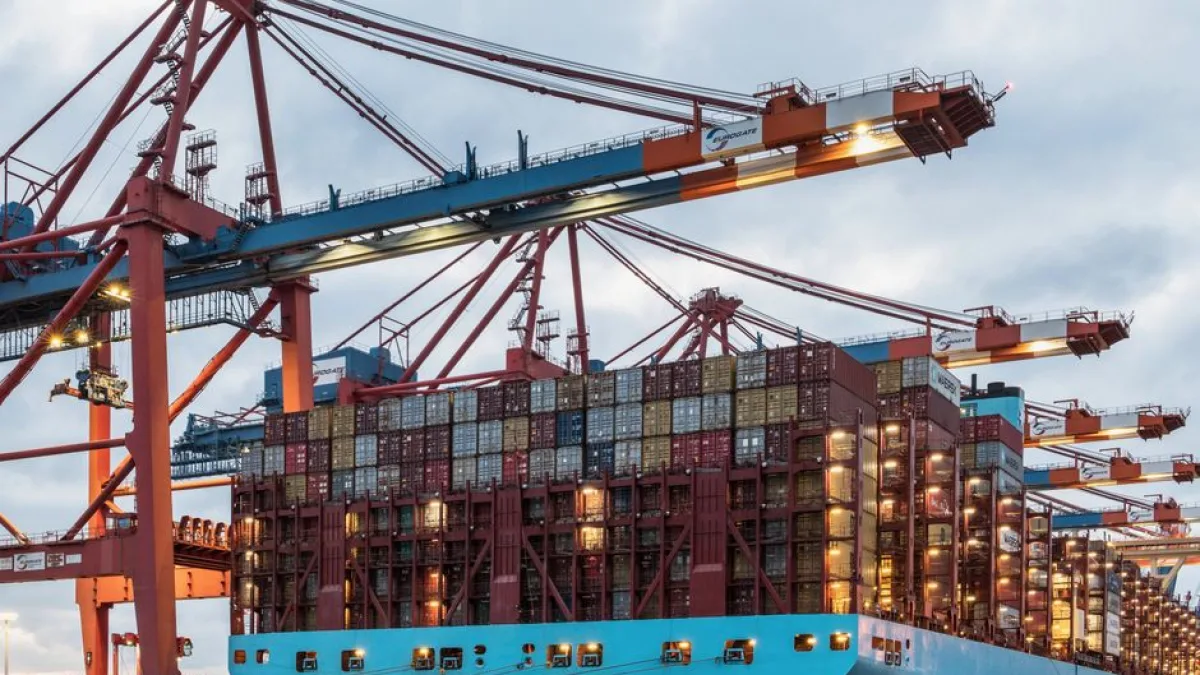
Efficient capacity management is essential for maintaining consistent schedules and managing costs effectively during peak periods. By analyzing historical data and current market trends, freight forwarders can make smarter booking decisions that directly influence their overall profitability and service reliability levels.
- Automated Booking Systems: Implementing automated platforms allows your team to secure space instantly while avoiding manual errors that typically delay cargo processing times during extremely busy shipping seasons.
- Carrier Performance Tracking: Monitoring specific carrier reliability through integrated digital tools enables forwarders to choose partners that consistently meet transit deadlines and reduce the risk of delays.
- Dynamic Route Planning: Utilize software to identify alternative routes when major ports face congestion, ensuring that customer shipments arrive on time without incurring unnecessary daily surcharges.
- Volume Forecasting Tools: Advanced analytics help predict future space needs based on client history, allowing you to negotiate better rates and secure priority allocation with major carriers.
Focusing on capacity management requires a proactive approach to carrier relationships and data utilization. When forwarders shift from manual coordination to automated visibility, they gain the ability to navigate supply chain disruptions with confidence. This transition not only stabilizes your operational workflows but also builds long term trust with clients who rely on your firm for consistent and predictable ocean freight logistics services.
Managing Documentation Complexity

Documentation accuracy remains a critical bottleneck in international shipping that can lead to costly port storage fees and shipment holds. Streamlining your paperwork through centralized digital workflows reduces human error and accelerates the clearance process for every cargo movement.
- Digital Bill Processing: Transitioning to electronic bills of lading ensures that documentation moves at the speed of freight, reducing the administrative burden on your import and export teams.
- Compliance Monitoring Tools: Integrated systems automatically check for regulatory updates, preventing potential fines by ensuring that all customs declarations meet the specific requirements of international trade authorities.
- Centralized Document Storage: Keeping all shipment files in a secure cloud environment makes it easy for stakeholders to access documents, improving transparency throughout the entire global supply chain.
- Automated Invoice Matching: Reducing manual accounting tasks through automated invoice matching ensures that financial records stay accurate and that payment cycles remain efficient for all shipping partners.
The complexity of maritime documentation is a significant challenge for modern freight forwarders who want to scale their business operations. By digitizing your filing systems, you remove the reliance on paper based processes that slow down the entire supply chain. Embracing these technical upgrades allows your staff to focus on higher value tasks, effectively boosting your company productivity and customer satisfaction scores.
Improving Visibility Standards
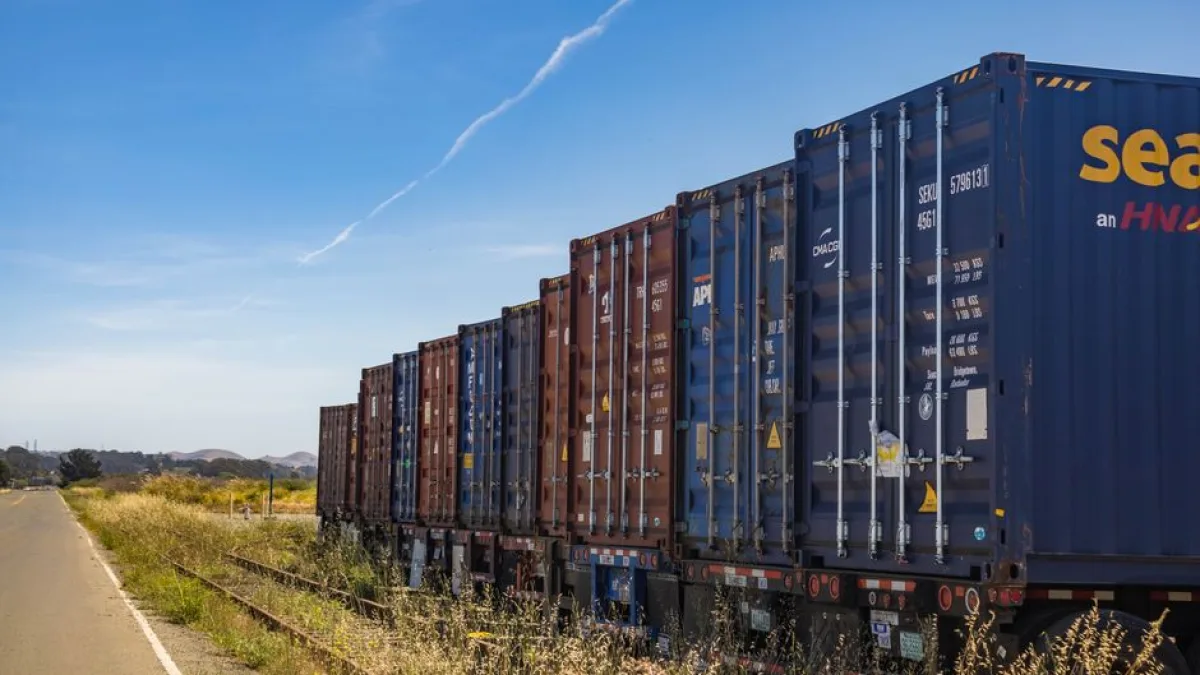
Real time shipment visibility has transitioned from a competitive advantage to a basic client expectation in today's market. Providing clients with accurate tracking information eliminates the uncertainty that often plagues long ocean journeys while strengthening your professional reputation globally.
- Live Status Updates: Connecting directly to carrier APIs ensures that your tracking portal provides the most accurate location data for every container currently moving across the ocean.
- Automated Client Alerts: Proactive notifications sent to customers regarding status changes or unexpected delays help manage expectations and build transparency in the professional shipper client relationship.
- Exception Management Dashboards: Centralized visibility tools highlight potential issues before they become major problems, giving your logistics team more time to find solutions for the impacted shipments.
- Intermodal Tracking Integration: Connecting ocean transit data with inland trucking milestones provides a comprehensive view of the entire logistics journey from the origin factory to destination.
Visibility is the foundation of modern freight forwarding, acting as a bridge between operational tasks and client communication. When you prioritize transparency, you reduce the volume of status inquiries handled by your support staff. This efficiency gain allows your team to dedicate more time to complex logistics problem solving, which ultimately drives better results for your clients and your firm.
Cost Control Strategies

Managing rising ocean freight costs requires a granular understanding of every expense item associated with container movement. By implementing cost tracking software, freight forwarders can identify inefficiencies, optimize spending patterns, and maintain healthy margins even during periods of extreme global volatility.
- Freight Rate Benchmarking: Access to current market rate indices helps you identify when to book spot shipments versus fixed contracts to ensure the most cost effective pricing.
- Port Fee Monitoring: Tracking various surcharges and local port fees in a centralized platform allows you to identify hidden costs that often eat into your operational budget.
- Vendor Performance Analysis: Regularly evaluating vendor costs against service quality ensures that you are receiving the best value for every dollar spent on international shipping services.
- Cost Allocation Automation: Automated financial systems accurately distribute expenses to specific shipments, allowing for precise profit reporting and better informed decision making for future logistics project bids.
Success in ocean freight depends on your ability to monitor financial health with precision and speed. By adopting automated cost control measures, your firm becomes more resilient against market fluctuations and pricing pressures. These financial insights provide a clear roadmap for scaling your business profitably, ensuring that you remain a top tier partner for your international clients in a highly competitive industry.
Conclusion

Advancing your ocean freight operations involves a commitment to digital transformation and process refinement. By focusing on capacity management, documentation accuracy, enhanced visibility, and strict cost controls, you position your firm for sustainable growth. Start leveraging modern cloud based platforms today to streamline your workflows, satisfy your clients, and secure your place as a leader in the global shipping and logistics sector.