Mastering Ocean Freight Operations for Modern Forwarding
Tuesday, August 11 2026

Global supply chains depend heavily on efficient ocean freight management to keep goods moving across international borders. As a freight forwarder, your ability to navigate complex shipping lanes, manage carrier relationships, and leverage cloud technology defines your market competitiveness. Today, the industry faces unprecedented volatility, ranging from port congestion to shifting geopolitical landscapes. By adopting smarter software solutions, logistics professionals can transform these challenges into opportunities for growth. This article explores essential strategies to optimize your ocean freight workflows, reduce manual documentation errors, and provide superior visibility to your customers in an increasingly fast-paced and demanding global maritime trade environment.
Optimizing Carrier Selection
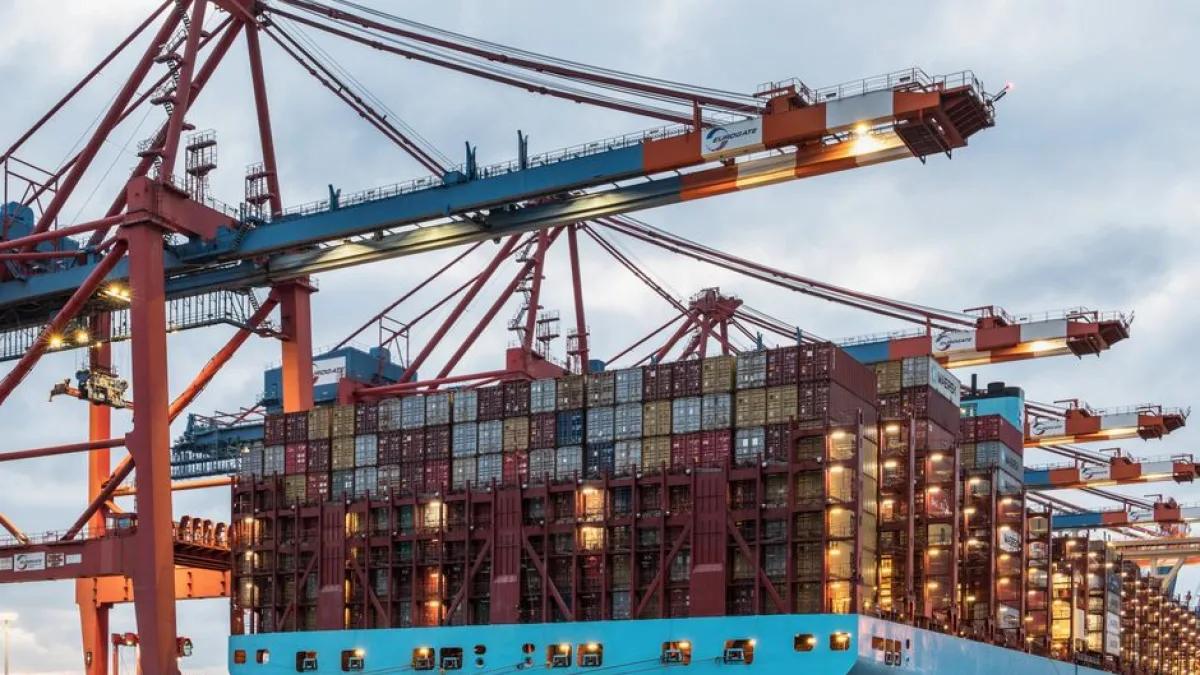
Strategic carrier selection serves as the foundation for reliable ocean freight services. By evaluating performance metrics and capacity availability through digital platforms, you can ensure that your cargo is placed with the most efficient partners for every specific trade route.
- Performance Monitoring Tools: Utilizing cloud platforms allows your team to track historical carrier reliability and transit times, ensuring that you select partners who consistently meet your clients required delivery deadlines.
- Capacity Management Strategies: Proactive planning involves booking space well in advance of peak seasons, which helps avoid last-minute surcharges and protects your business from sudden spikes in ocean freight costs.
- Route Analysis Software: Advanced digital tools provide deep insights into alternative shipping lanes, helping you identify cost-effective routes that minimize transit times while maximizing overall schedule reliability for your shippers.
- Carrier Relationship Management: Maintaining strong communication lines with steamship lines allows for better negotiations during contract renewals, ultimately securing better service agreements for your high-volume clients throughout the year.
Consistently evaluating your carrier network ensures that you remain flexible during times of market turbulence. Integrating your booking systems with real-time carrier data creates a transparent environment where decision-making is driven by facts rather than assumptions. This approach reduces dependency on underperforming partners, allowing your company to focus on high-quality service delivery. Ultimately, your professional reputation hinges on reliable partnerships that withstand external pressures.
Digitalizing Documentation Workflows

The manual processing of bills of lading and commercial invoices represents a significant bottleneck in modern logistics. Transitioning to automated documentation workflows helps eliminate human error, significantly accelerating the release of cargo and ensuring compliance with international maritime trade standards.
- Automated Data Entry: Implement software that automatically extracts critical information from shipping documents, which drastically reduces manual typing errors and speeds up the entire customs filing and processing cycle.
- Cloud Based Storage: Maintaining a centralized digital repository for all shipping documents ensures that your team can access vital records from anywhere in the world during critical operations.
- Electronic Filing Systems: Moving toward paperless operations streamlines your interactions with customs authorities, leading to faster clearance times and fewer delays for your clients at busy destination ports.
- Version Control Software: Automated systems track every change made to shipping documentation, providing a clear audit trail that prevents confusion and ensures accuracy during every stage of transit.
Digital transformation is no longer optional for firms aiming to scale their ocean freight operations effectively. By automating repetitive administrative tasks, your team gains valuable time to focus on strategic client support and business development efforts. This shift not only improves operational efficiency but also enhances the overall customer experience by providing rapid, error-free documentation that keeps their cargo moving forward without unnecessary delays.
Enhancing Shipment Visibility

Real-time visibility empowers both forwarders and end-customers to make informed decisions throughout the cargo journey. Modern tracking integrations allow you to monitor ocean vessels, port movements, and final deliveries, turning complex data into actionable insights for your clients.
- Real Time Tracking: Integrate live vessel tracking feeds into your customer portal, allowing clients to see exactly where their containers are located at any point in the voyage.
- Proactive Exception Alerts: Automated notification systems alert your operations team immediately if a vessel is delayed, enabling you to notify clients early and offer proactive solutions for cargo.
- Dashboard Analytics Tools: Visualizing your entire shipment portfolio through customizable dashboards helps identify bottlenecks in your logistics chain before they become major problems for your import partners.
- Customer Transparency Portals: Providing your clients with a dedicated login area for tracking their own shipments increases trust and reduces the number of status inquiries your team handles.
Visibility serves as a powerful competitive advantage in the saturated freight forwarding market. When you provide clients with accurate, live updates, you reduce their anxiety and build lasting loyalty. Moving beyond simple status updates toward predictive analytics allows you to guide your clients through unforeseen complications effectively. This high level of service differentiates your brand, turning one-time customers into long-term partners who trust your expertise.
Managing Port Congestion
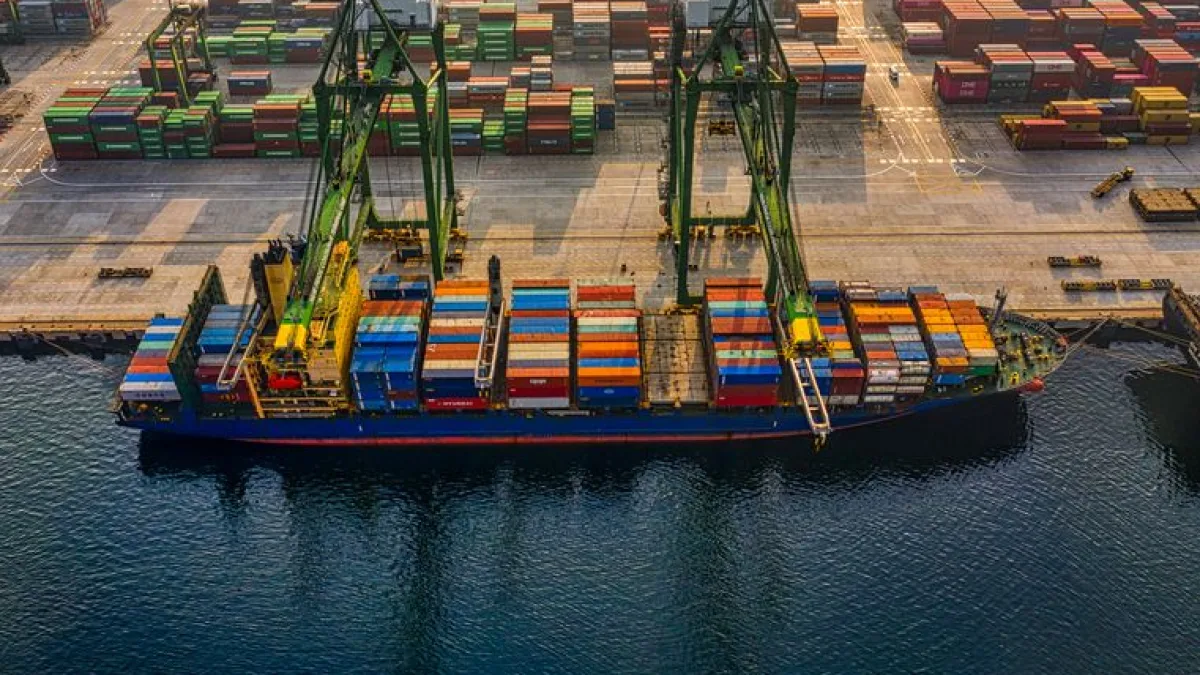
Port congestion remains one of the most unpredictable variables in the ocean freight industry. Developing contingency plans and leveraging real-time data allows you to navigate these delays smoothly, minimizing the impact on your customers and their supply chain timelines.
- Predictive Delay Forecasting: Use historical port data to anticipate potential congestion periods, allowing you to suggest alternative routing options to your clients before their cargo becomes trapped in queues.
- Inland Logistics Coordination: Strengthening relationships with local drayage providers ensures that once containers are cleared, they move quickly to their final destination without waiting for available equipment.
- Strategic Cargo Rerouting: Maintain a list of secondary ports that offer similar services, giving you the flexibility to pivot your routing strategy if primary ports face significant operational failures.
- Clear Communication Protocols: Establish a structured process for updating clients during congestion events, which ensures they feel supported and informed throughout the entire recovery and delivery process.
Effective management of port congestion requires a blend of technological insight and proactive human communication. By identifying early warning signs, your team can adjust strategies quickly to maintain flow. While external factors often remain beyond your control, how you react to these situations defines your professional value. Consistent, transparent updates ensure that your clients remain confident in your ability to manage complex global logistics.
Conclusion

Success in the ocean freight sector requires a commitment to digital innovation and operational agility. By optimizing carrier selection, automating documentation, improving visibility, and preparing for port disruptions, you position your firm as a leader in the global logistics market. Explore how MakeCargo can help you streamline these essential workflows today. Start your journey toward a more efficient and profitable freight forwarding business now.
"}