Mastering Ocean Freight Operations for Modern Freight Forwarders
Thursday, August 13 2026

The global maritime supply chain remains the backbone of international trade, yet freight forwarders face increasing complexity due to shifting market demands and digital transformation. Navigating this landscape requires more than just logistical expertise; it demands a strategic approach to capacity management, rate fluctuations, and partner collaboration. As cargo volumes grow and client expectations for real-time visibility intensify, forwarders must leverage robust cloud-based software to maintain a competitive edge. This article explores essential strategies for optimizing ocean freight operations, ensuring your agency remains agile, profitable, and capable of delivering seamless shipping experiences in an unpredictable and rapidly evolving global economy.
Optimizing Container Capacity Planning
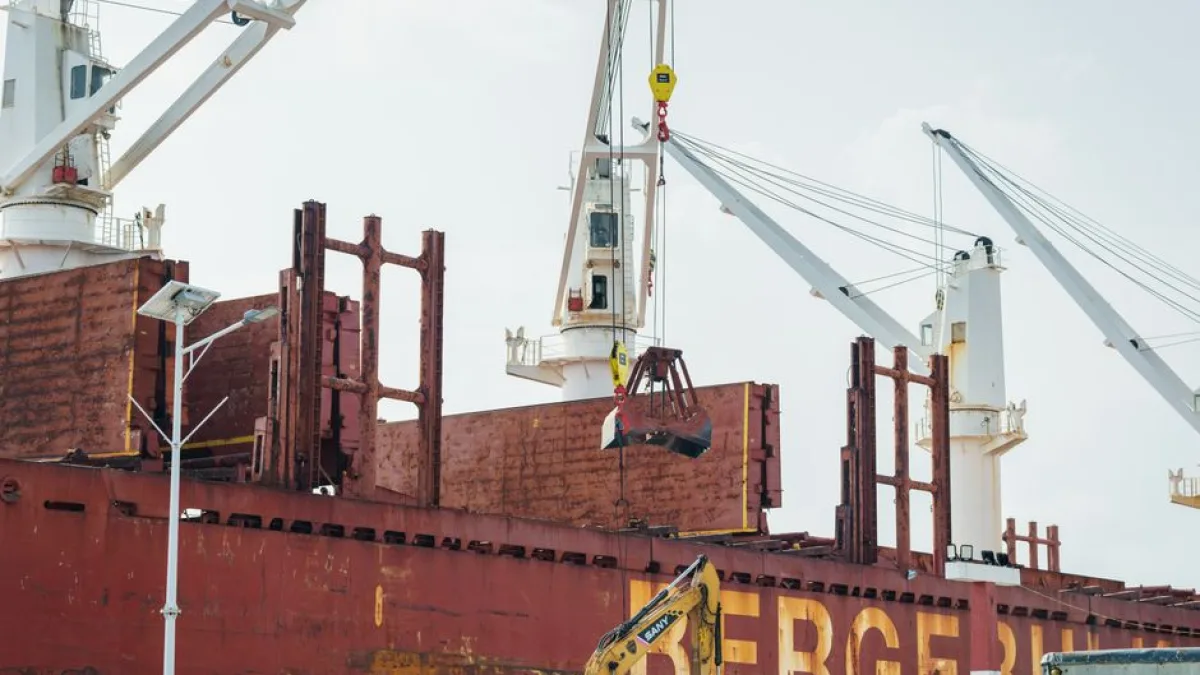
Efficient capacity management is the foundation of successful ocean freight logistics. By carefully aligning container availability with fluctuating demand, forwarders can minimize empty legs and maximize profitability. This requires precise data analysis and a proactive approach to booking space with carriers.
- Automated space forecasting: Use cloud-based software to predict future cargo volumes and secure necessary container capacity ahead of peak season surges to avoid costly last minute market premium rates.
- Effective route planning: Evaluate various shipping lanes and service loops to identify the most cost-effective transit times while ensuring that your client shipments meet their specific delivery deadlines consistently.
- Carrier partnership management: Strengthen relationships with major shipping lines to gain priority access during space shortages and negotiate better terms for your recurring high-volume shipping routes across the globe.
- Real time monitoring: Implement digital tools that provide instant visibility into container status to prevent bottlenecks and address potential loading delays before they escalate into major supply chain disruptions.
Optimizing how you handle container capacity directly impacts your bottom line. When forwarders shift from manual spreadsheets to intelligent, automated systems, they reduce errors and reclaim valuable hours each day. This transition empowers your team to focus on strategic client growth rather than administrative data entry. Staying ahead of capacity shifts ensures that your agency provides reliable service even when global market conditions turn challenging.
Navigating Volatile Freight Rates

Fluctuating freight rates are a constant reality that forwarders must manage to protect margins. Successful agencies use historical data and market intelligence to offer competitive quotes while mitigating the risks associated with sudden tariff changes or emergency fuel surcharges.
- Market trend analysis: Track historical rate fluctuations and current indices to provide your clients with accurate budget forecasts that help them plan their inventory and shipping schedules effectively throughout.
- Dynamic pricing strategies: Utilize software that allows for rapid quote generation based on real time market rates, ensuring your pricing remains competitive without sacrificing the necessary margin for sustainability.
- Surcharge transparency models: Clearly communicate all potential surcharges and fees to clients upfront to build trust and prevent disputes during the final invoicing stage after the cargo arrives safely.
- Strategic contract negotiation: Secure long term service agreements with key carriers to lock in stable rates, providing your customers with price certainty during periods of extreme market volatility.
Mastering rate management requires a blend of technological precision and market intuition. By providing clients with transparent and data-driven quotes, you establish your firm as a trusted advisor rather than just a service provider. This approach not only wins more long-term contracts but also shields your operations from the inherent unpredictability of the maritime industry. Consistency in pricing builds long-lasting customer loyalty.
Enhancing Supply Chain Visibility

In the digital age, clients expect instant access to their shipment status. Providing superior visibility through centralized platforms transforms the customer experience and differentiates your forwarding business from competitors who still rely on manual status updates via emails or phone calls.
- End to end tracking: Integrate your freight platform with carrier APIs to provide clients with live updates on vessel locations, departure times, and arrival estimates directly within their dashboard.
- Centralized documentation portal: Store all essential shipping documents like bills of lading and customs forms in a single location to ensure instant access for all relevant stakeholders involved.
- Proactive exception management: Set up automated alerts for any delays or route changes so your team can notify clients and provide alternative solutions immediately without losing valuable time.
- Customized client dashboards: Build branded portals where your customers can view their own shipping history, track ongoing orders, and generate reports without needing to contact your operations team.
Visibility is no longer an optional luxury but a core service requirement for modern shippers. By investing in technology that offers transparency, you significantly reduce the volume of status-check inquiries your team handles. This efficiency gain allows staff to focus on solving complex logistical issues that add real value to the customer relationship. Providing clarity builds strong, enduring partnerships in a complex global market.
Streamlining Documentation and Compliance

Managing complex international documentation is often the most time-consuming aspect of ocean freight. Streamlining these workflows through automation reduces manual errors, ensures strict compliance with customs regulations, and speeds up the entire cargo release process for your import and export clients.
- Automated form generation: Utilize software to pull data from your shipment files to populate essential documents, significantly reducing the risk of clerical errors that cause major customs delays.
- Compliance verification tools: Use built-in regulatory checklists to ensure every shipment meets international safety and trade standards, avoiding potential fines or cargo seizures by customs authorities globally.
- Digital signature integration: Enable electronic signing for all transport documents to accelerate the approval process and eliminate the delays associated with physical paper copies and courier deliveries.
- Archival data security: Keep all historical shipping records in a secure cloud environment that is easily searchable for future audits or client inquiries regarding past shipments or invoices.
Digital documentation management is the key to achieving operational excellence. When your team spends less time shuffling papers, they can dedicate more energy to optimizing routing and improving customer service. By standardizing these processes, your freight forwarding business becomes more scalable and resilient against the changing demands of international trade regulations. Efficient documentation is the engine that keeps your global cargo moving smoothly every day.
Conclusion

Successfully managing ocean freight in a modern global market requires a commitment to digital integration and operational agility. By focusing on capacity planning, intelligent pricing, full visibility, and document automation, freight forwarders can effectively scale their operations. Embrace these strategies to provide superior value to your clients while ensuring sustainable growth for your business. Start modernizing your workflow with MakeCargo solutions today for better results.