Mastering Ocean Freight Operations in a Digital Era
Wednesday, September 9 2026
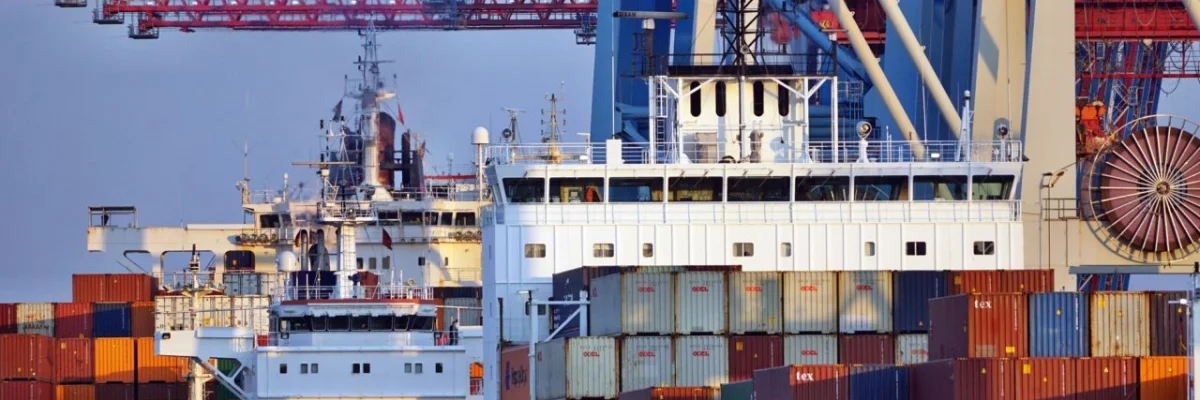
Navigating the complex landscape of global ocean freight requires more than just traditional logistics expertise. As supply chains grow increasingly volatile and market demands shift rapidly, freight forwarders must adapt by leveraging sophisticated digital solutions. Modern challenges like capacity constraints, fluctuating fuel costs, and stringent regulatory updates demand a proactive approach to operational management. By integrating cloud based platforms like MakeCargo, forwarders can enhance visibility, streamline complex documentation processes, and provide superior service to their global clients. This article explores essential strategies to optimize your ocean shipping workflows, improve team collaboration, and ultimately secure a competitive edge in today's high pressure maritime industry environment.
Optimizing Container Port Logistics
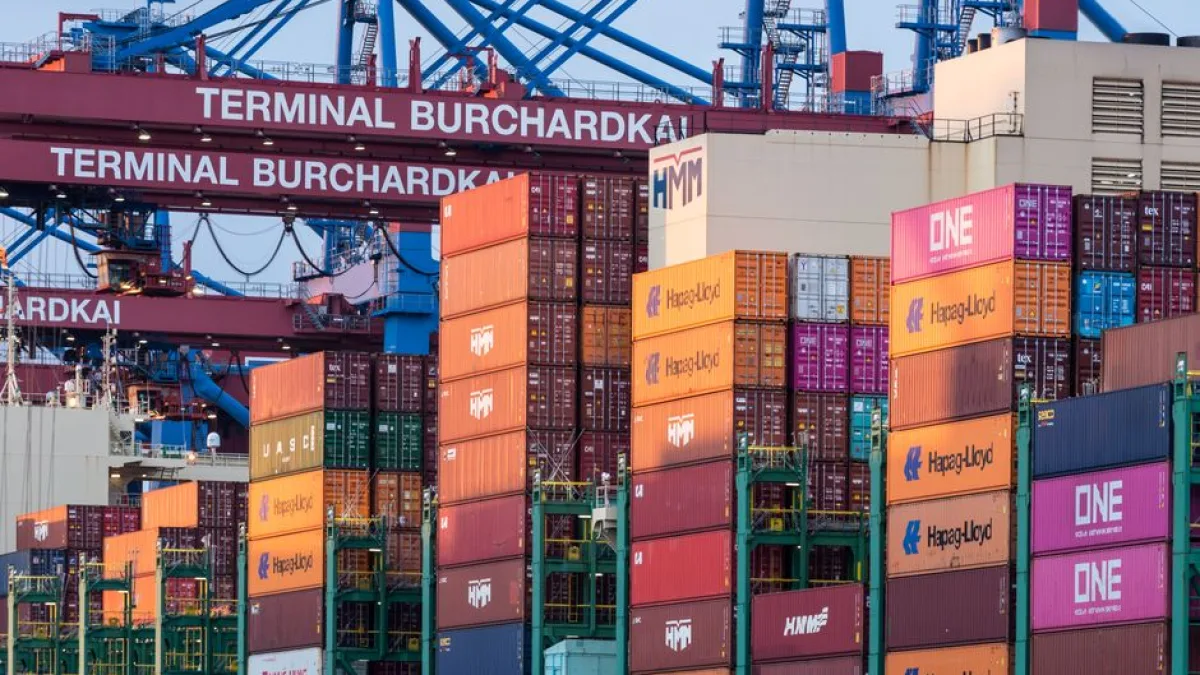
Port congestion remains a significant hurdle for forwarders, often leading to costly delays and broken supply chain links. Efficiently managing movement within these hubs requires precise coordination and real time data access to ensure containers keep moving toward their destination.
- Prioritize Real-time Tracking: Implementing advanced tracking tools allows your team to monitor container status constantly and anticipate potential delays before they impact your clients supply chain and bottom line.
- Improve Slot Booking: Using automated systems for terminal slot management minimizes human error and significantly reduces the waiting time for trucks picking up or delivering containers at busy ports.
- Streamline Gate Operations: Digitizing document exchanges at the gate prevents bottlenecks and ensures that drivers spend less time idling while waiting for manual verification of critical shipping paperwork.
- Enhance Port Communication: Establishing direct digital communication channels with port authorities ensures that you receive immediate notifications about schedule changes or operational disruptions affecting your current ocean freight shipments.
By shifting away from manual processes, you transform how your team interacts with port operators. This digital shift reduces the risk of missed deadlines and allows for better resource allocation across your operations. When information flows seamlessly, your agents can focus on solving high level problems rather than chasing status updates, which leads to improved operational efficiency and higher client satisfaction scores throughout the year.
Managing Complex Documentation Workflows

Global shipping relies on a mountain of paperwork, including bills of lading, packing lists, and commercial invoices. Automating these document workflows is essential to reducing administrative burdens and avoiding the costly penalties associated with incorrect or missing regulatory filings.
- Automate Document Generation: Using cloud software to auto populate shipping documents from existing booking data saves valuable time and ensures consistent accuracy across all your international freight shipments.
- Centralize Document Storage: Keeping all client files in a secure, cloud based repository allows your team to access information from anywhere, fostering better internal collaboration and data security.
- Validate Compliance Data: Integrated systems can automatically flag missing or incorrect data points in customs declarations, helping your team avoid severe financial penalties or shipment seizures at borders.
- Enable Client Self-service: Providing a portal where clients can download their own documents reduces the volume of repetitive requests handled by your support staff, freeing up their schedule.
Document management often consumes the majority of a forwarder's workday, but it does not have to be a manual task. By deploying intelligent software that handles data entry and validation, you significantly lower the error rate. This strategic move empowers your team to handle larger volumes of cargo without increasing headcount, creating a scalable model that supports long term business growth and professional success.
Strategic Capacity Planning Strategies
Capacity management involves balancing available space with customer demand in a fluctuating market. Forwarders who excel at this craft build strong carrier relationships while using data analytics to predict volume spikes and prepare their resource levels accordingly.
- Forecast Volume Trends: Analyzing historical shipping data helps you predict seasonal peaks, allowing you to secure necessary vessel space well in advance of the busy cargo shipping season.
- Diversify Carrier Partnerships: Maintaining strong relationships with multiple ocean carriers provides you with flexible options when specific routes become overbooked or suffer from sudden equipment supply shortages.
- Analyze Freight Rates: Monitoring market indices allows you to offer competitive pricing to your clients while maintaining healthy profit margins, even when global shipping costs fluctuate quite dramatically.
- Allocate Resources Wisely: Assigning specialized teams to high volume lanes ensures that your cargo shipments receive the attention they need to navigate complex logistics hurdles effectively and consistently.
Successful capacity planning is rooted in the ability to anticipate change rather than reacting to it. By using data driven insights to negotiate better rates and space allocations, you stabilize your service offering for your customers. This proactive stance keeps your logistics network resilient, ensuring that you remain a reliable partner even during times of extreme market turbulence and global supply chain instability.
Enhancing Customer Transparency Solutions

In the age of instant gratification, customers demand complete visibility over their cargo. Providing a transparent view of the shipping journey builds immense trust and differentiates your firm from competitors who still rely on fragmented and slow status updates.
- Deploy Customer Portals: Allowing your clients to log in and view the live status of their shipments reduces inquiry volumes and positions your company as a modern leader.
- Automate Status Alerts: Sending proactive notifications whenever a container reaches a major milestone keeps your clients well informed without requiring them to contact your team for simple updates.
- Standardize Milestone Data: Ensuring that your tracking terminology is consistent across all carriers creates a professional experience that reassures customers that their valuable cargo is being managed.
- Visualize Supply Chains: Offering map based tracking views helps your clients understand the journey of their goods, which simplifies their own internal planning and inventory management processes immensely.
Transparency is no longer a luxury, but a basic requirement for freight forwarders. When you open your systems to your customers, you create a partnership based on clear communication and mutual reliance. This strategy minimizes frustration and enhances the value you provide, proving that your firm is not just a service provider but a critical extension of your client's logistics infrastructure.
Conclusion
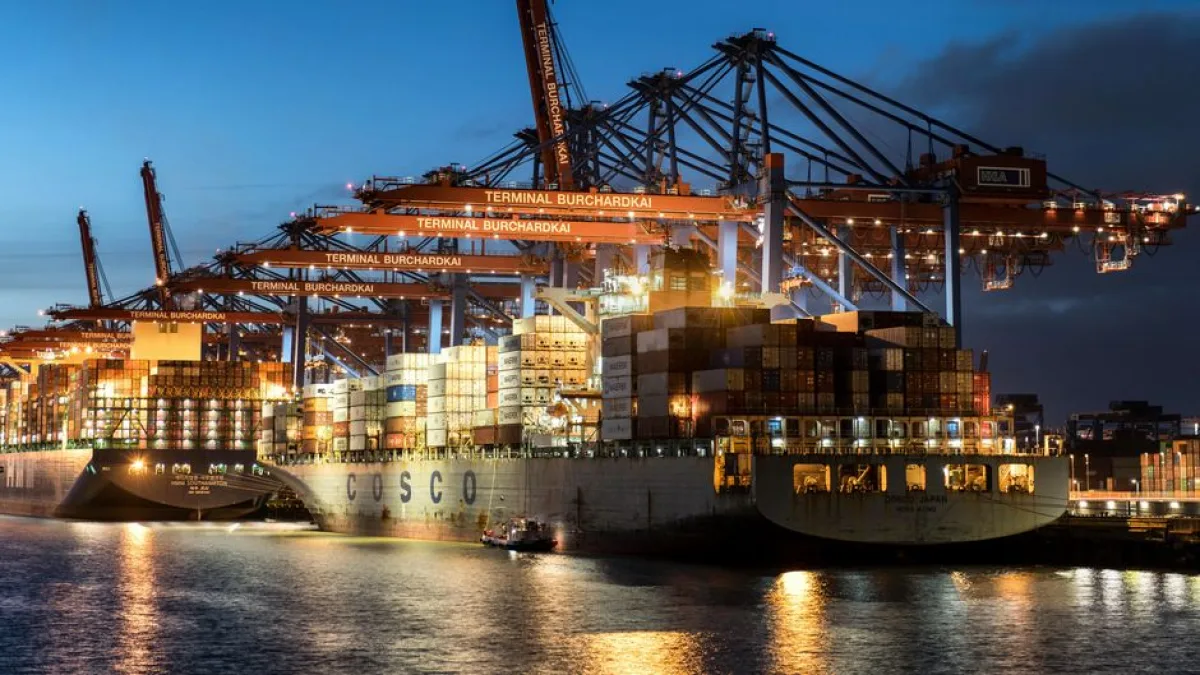
The evolution of ocean freight depends on your willingness to adopt technology and modernize internal workflows. By focusing on automation, data accuracy, and client transparency, you can overcome common industry challenges and scale your business effectively. Start evaluating your current software stack today to ensure you are positioned to meet the demands of tomorrow. Your journey toward a more efficient future begins with these simple steps.