Mastering Ocean Freight Operations in a Digital Era
Friday, October 16 2026

Modern ocean freight operations require more than just traditional logistics knowledge to stay competitive in an increasingly complex global market. As supply chains face unprecedented pressure from fluctuating fuel costs, port congestion, and evolving environmental regulations, freight forwarders must shift toward data driven decision making. By integrating cloud based platforms, companies can achieve real time visibility into cargo movements, reducing the manual errors that often plague maritime shipping. This transformation allows businesses to optimize routing and improve customer service standards, ultimately ensuring that goods reach their destinations efficiently while maintaining healthy profit margins during volatile economic periods.
Optimizing Vessel Routing Efficiency
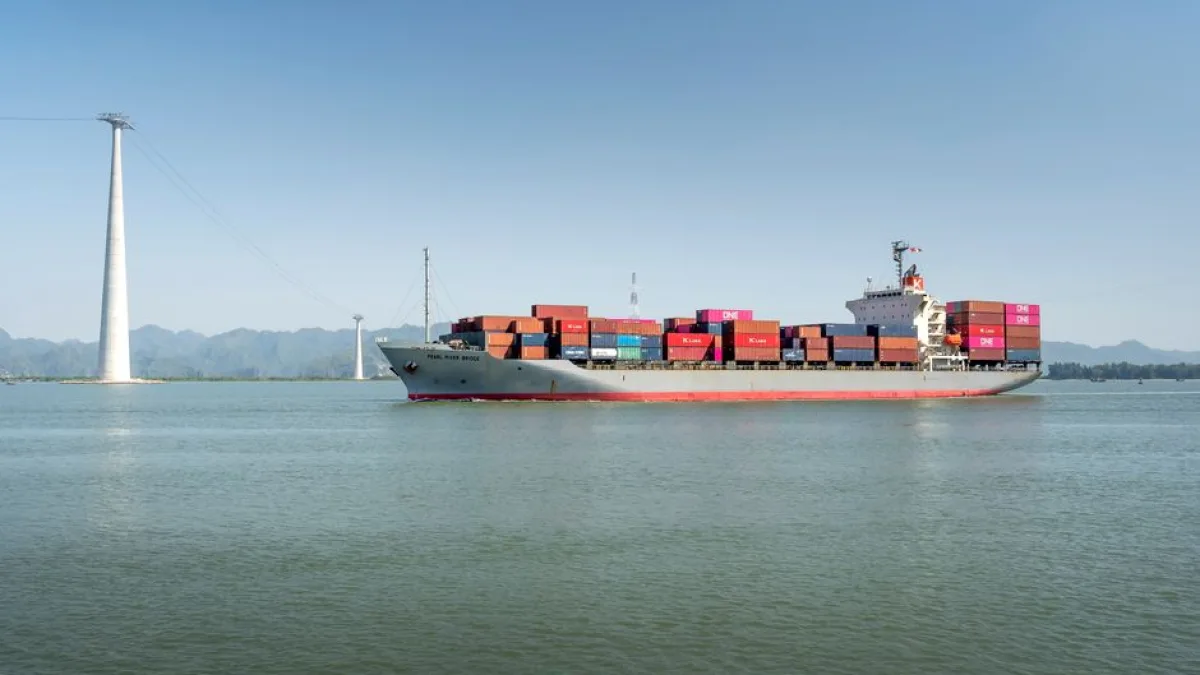
Strategic route planning remains the cornerstone of profitable maritime operations by minimizing fuel consumption and reducing transit times across busy lanes. Utilizing digital tools helps managers analyze historical weather patterns and current port congestion data to select the most reliable paths for cargo movement.
- Dynamic Route Adjustments: Intelligent software continuously monitors maritime conditions to suggest real time path changes, effectively avoiding bottlenecked corridors and helping vessels maintain consistent schedules throughout their international voyages.
- Fuel Consumption Management: Calculating optimal speeds based on precise delivery windows allows shipping lines to conserve significant amounts of bunker fuel while simultaneously reducing their total carbon emission output.
- Weather Impact Analysis: Advanced predictive models identify potential storm disruptions weeks in advance, enabling logistics teams to adjust schedules and safeguard cargo against damage during severe oceanic events.
- Port Congestion Mitigation: Integrating direct data feeds from major global hubs provides forwarders with early warnings about terminal delays, allowing them to reroute shipments before significant queues develop.
By prioritizing agility in route planning, freight forwarders create a distinct advantage for their clients. Proactive monitoring transforms unexpected delays into manageable adjustments rather than costly operational failures. This shift not only improves client satisfaction through reliable delivery dates but also reduces overall operational overhead. Investing in smart routing technology ensures your firm stays resilient while navigating the unpredictable nature of today's maritime logistics environment.
Automating Essential Documentation Tasks

Paperwork remains a significant bottleneck in global logistics, often leading to costly administrative delays and human errors during the crucial filing phase. Transitioning to automated digital workflows ensures that bills of lading and customs documents are processed with perfect precision every time.
- Automated Data Entry: Cloud based systems automatically extract information from digital manifests, eliminating time consuming manual typing and reducing the risk of clerical errors that cause customs holds.
- Unified Document Storage: Centralizing all shipping records into a single accessible portal ensures that team members can retrieve vital information instantly without searching through endless physical files.
- Compliance Error Reduction: Intelligent validation engines scan paperwork for missing signatures or incorrect tariff codes against current trade laws, ensuring every file meets international maritime regulations before submission.
- Instant Client Sharing: Automated workflows provide secure document links to importers and exporters immediately, significantly speeding up the release process and facilitating faster cargo pickup at terminals.
Adopting digital document automation is no longer an optional luxury but a necessity for scaling modern freight businesses. By stripping away repetitive manual labor, teams can focus their valuable time on high level strategic planning and client relationships. This shift increases total document throughput while maintaining exceptional accuracy levels, providing your business with a scalable foundation for future growth in the international shipping sector.
Enhancing Real Time Cargo Visibility

Providing clients with live tracking capabilities builds immense trust and establishes your brand as a transparent partner in their supply chain management. Real time visibility into freight status helps forwarders quickly identify issues and provide proactive updates during the shipping journey.
- Live Vessel Tracking: Integration with global satellite networks allows you to visualize exact vessel positions on interactive maps, giving clients peace of mind regarding their expensive inventory.
- Predictive Arrival Alerts: Automated systems calculate arrival times based on live movement data, sending proactive notifications to stakeholders whenever estimated delivery windows change during the shipping process.
- Milestone Event Monitoring: Tracking granular milestones like gate in and vessel departure ensures that forwarders have complete records of every stage of the transit for reporting.
- Exception Management Alerts: Instant notifications flag shipments that stop moving for more than twenty four hours, allowing your operations team to investigate potential issues before customers complain.
Visibility serves as the bridge between simple transport services and high value logistics consulting. When you empower clients with accurate data, you reduce their anxiety and decrease the volume of routine status inquiries directed at your team. This transparency strengthens professional bonds, turning one time customers into loyal, long term partners who rely on your superior data capabilities for their logistics.
Leveraging Advanced Data Analytics
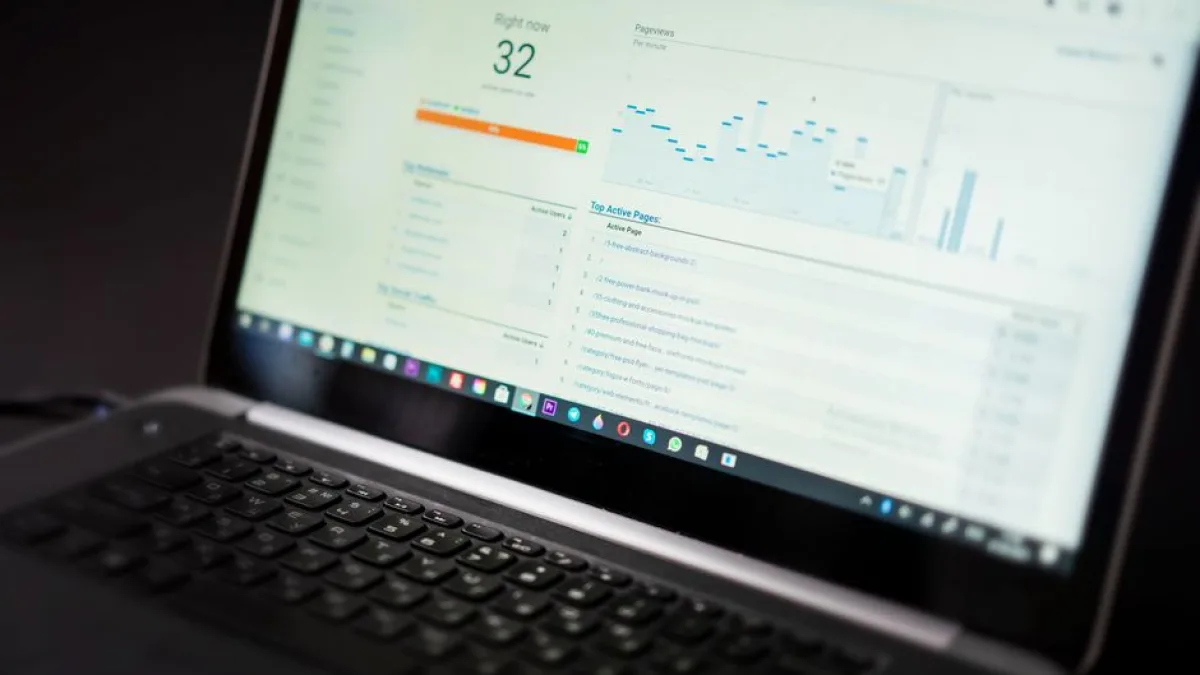
Data driven decision making transforms raw operational numbers into actionable insights that reveal hidden opportunities for cost savings and improved cargo throughput efficiency. Analyzing performance metrics across various shipping lanes helps forwarders negotiate better carrier contracts and identify which services provide the best value for their specific shipping needs.
- Carrier Performance Tracking: Analyzing historical data regarding carrier delays and damage rates helps you choose the most reliable partners, ensuring your clients receive consistent, high quality service levels.
- Market Trend Forecasting: Aggregated data allows your firm to predict upcoming shifts in shipping rates or capacity availability, helping clients secure better pricing before market spikes.
- Operational Cost Audits: Detailed reporting highlights areas where shipping expenses are exceeding benchmarks, allowing management to implement cost saving measures that protect the bottom line for forwarders.
- Customer Profitability Reports: Identifying which clients or trade routes provide the highest margins enables you to refine your business development strategy and focus on profitable growth.
Harnessing the power of analytics turns your historical freight data into a strategic asset that supports smarter long term planning. Instead of guessing about market trends or internal performance, you can rely on evidence based reporting to steer your company. Investing in robust analytical software positions your freight forwarding firm at the forefront of digital excellence, providing the insight needed to navigate complex challenges.
Conclusion

Embracing digital solutions allows freight forwarders to optimize their ocean shipping processes significantly. By automating documentation, enhancing visibility, and utilizing advanced data analytics, your firm will gain a powerful competitive edge in the global market. Start integrating these modern cloud based tools today to reduce operational costs, eliminate tedious manual errors, and provide superior service levels that drive long term business success for everyone.