Mastering Ocean Freight Operations in the Digital Age
Monday, October 26 2026

The global shipping landscape is undergoing a massive transformation driven by cloud technology and shifting trade dynamics. Freight forwarders are increasingly tasked with managing complex supply chains while maintaining profitability amidst fluctuating market rates and regulatory pressures. Adopting a digital first mindset is no longer optional for businesses aiming to scale their operations efficiently. By leveraging integrated software platforms, professionals can gain unprecedented visibility into their ocean shipments, reduce costly manual errors, and provide superior client service. This article explores essential strategies for optimizing your maritime logistics processes to remain competitive and resilient in this demanding global shipping environment.
Optimizing Container Port Logistics
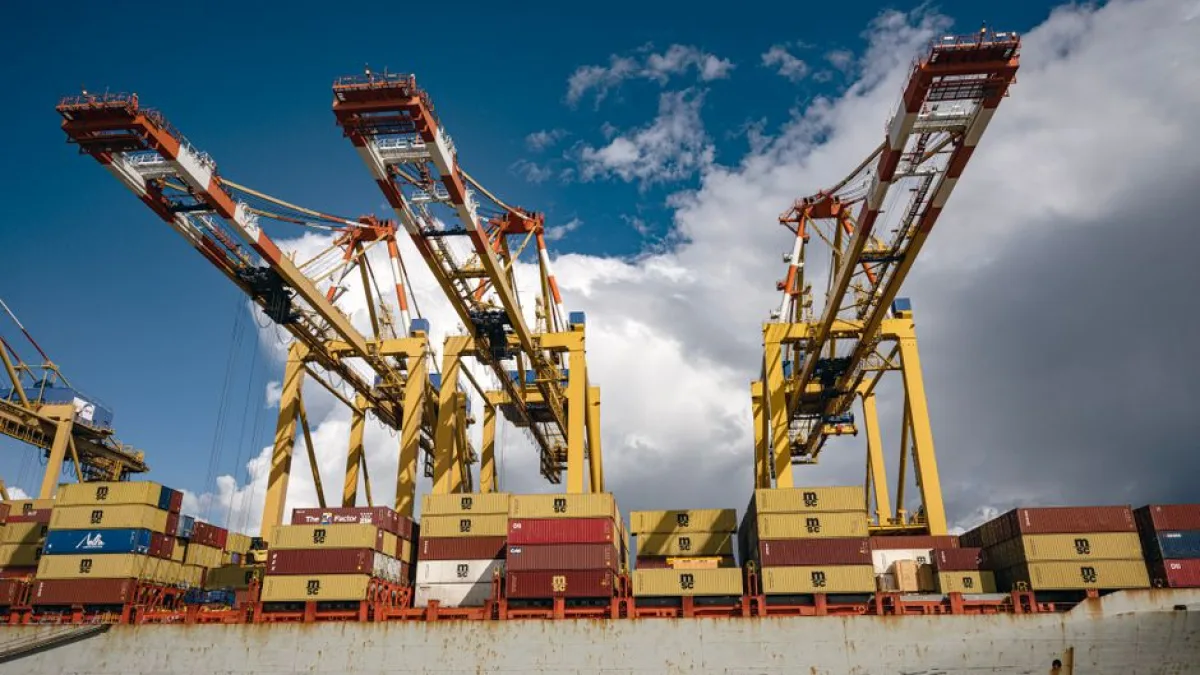
Port congestion remains a significant challenge for modern freight forwarders who need to keep goods moving smoothly across international borders. Efficient handling of containers requires careful coordination between terminal operators, trucking providers, and digital tracking tools to avoid costly delays.
- Automated scheduling tools: Implementing smart scheduling features allows your team to sync arrivals with drayage availability, effectively minimizing downtime and reducing storage fees for your important shipping clients.
- Real time tracking: Visibility into container status provides instant updates on location and port congestion levels, enabling proactive communication with customers when unexpected transit delays suddenly occur.
- Digital document flow: Moving from physical paperwork to cloud based documentation ensures that port authorities and customs agents receive accurate data, accelerating the overall clearance process significantly.
- Resource capacity planning: Advanced forecasting modules analyze historical trends to predict volume spikes, helping you allocate personnel and equipment resources before the heavy shipping season officially begins.
Successfully navigating port logistics depends on the ability to access and interpret accurate data in real time. When your team uses integrated software to manage container movements, you reduce the risk of human error and save valuable time. By digitizing the workflow, you empower your logistics experts to focus on solving complex routing issues rather than chasing down manual updates from various third parties.
Streamlining Carrier Rate Management

Managing multiple carrier contracts and fluctuating spot rates is a constant struggle for many logistics companies. Centralizing your rate procurement process helps ensure that you can offer competitive pricing to customers while maintaining healthy margins on every shipment.
- Dynamic rate databases: Consolidating all carrier quotes into a single searchable platform enables your staff to compare costs instantly and choose the best route for clients.
- Automated quote generation: Software solutions allow for rapid quote creation by pulling current carrier tariffs, significantly reducing the administrative burden on your sales and operations team.
- Carrier performance analysis: Tracking transit times and reliability metrics across different carriers helps you build a vendor network that delivers consistent value and service to customers.
- Smart margin control: Setting automated markups ensures that your profit goals are met on every booking without the need for manual calculations or complex spreadsheet management.
Effective rate management is the backbone of a profitable ocean freight business. By moving away from decentralized email communication and static pricing tables, you gain control over your financial outcomes. Advanced tools allow you to react quickly to market volatility, ensuring that you maintain competitive pricing while protecting your bottom line from the frequent and often unpredictable fluctuations in global shipping costs.
Improving Global Visibility Standards

Providing customers with clear and accurate information is the defining factor in modern freight forwarding. Achieving end to end visibility requires seamless integration between your software platform and the various carriers handling your ocean freight movements every day.
- Seamless API integration: Connecting your dashboard directly to carrier systems provides continuous data streams, ensuring that your clients have accurate ETAs at every stage of transit.
- Interactive client portals: Giving your customers secure access to their shipment data improves transparency and builds trust while simultaneously reducing the volume of manual status inquiries.
- Exception alert systems: Automated notifications warn your team immediately when a shipment falls behind schedule, allowing for rapid intervention before the client is negatively affected at all.
- Custom reporting tools: Generating detailed performance reports helps your clients understand their own shipping patterns, providing extra value that strengthens your long term professional business relationships.
Visibility is more than just knowing where a container is located. It is about providing actionable insights that help your customers optimize their own operations. When you provide a professional dashboard experience, you position your brand as a technology leader in the market. This transparency differentiates your service from competitors and builds the kind of brand loyalty that keeps clients returning for years.
Enhancing Compliance and Documentation
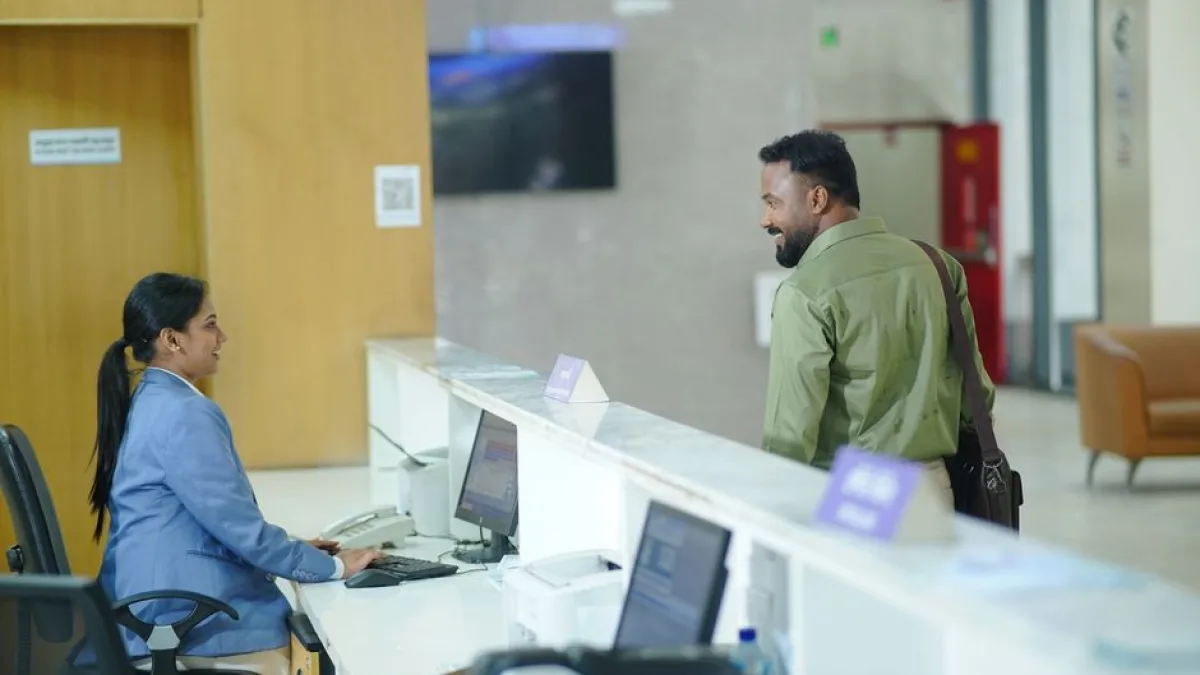
Navigating the complex maze of international trade regulations requires extreme attention to detail and a robust system for managing documentation. Ensuring that every shipment meets legal standards is vital to avoid penalties, fines, or cargo seizures during international transit.
- Digital filing systems: Secure cloud storage keeps all bill of lading and customs documents organized, accessible, and searchable, which simplifies the audit process for your internal team.
- Automated compliance checks: Integrated software can flag missing or incorrect data fields in real time, ensuring that all paperwork meets destination requirements before departure from origin.
- Secure document exchange: Sharing sensitive customs information through encrypted portals protects your clients from data breaches while maintaining a clear and verifiable audit trail of interactions.
- Global regulation updates: Staying informed about changing international trade laws is easier when your software platform provides alerts about new requirements in specific ports or countries.
Documentation is the engine that keeps international trade moving, but it can quickly become a bottleneck without the right management tools. By standardizing your compliance workflow, you minimize the risk of human error and legal complications. A secure digital approach saves your team time and gives your customers peace of mind, knowing that their freight is being handled by a professional, compliant organization.
Conclusion
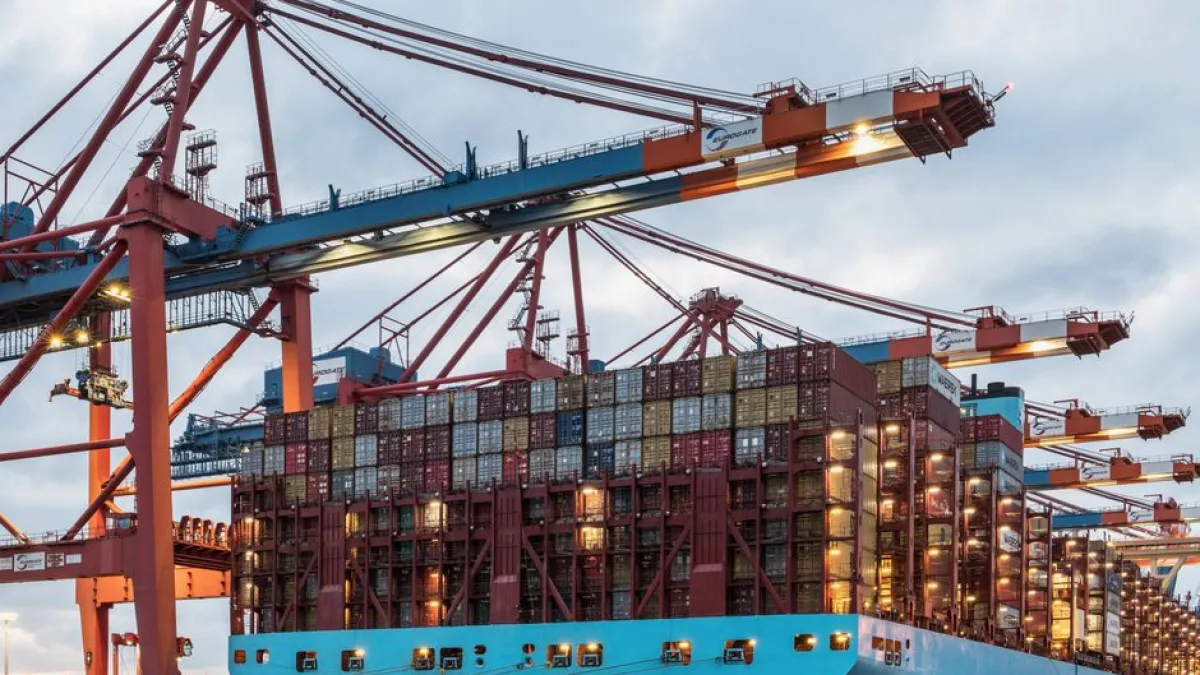
Optimizing your ocean freight operations is essential for staying relevant in a fast changing global market. By embracing digital tools, you can automate routine tasks, increase visibility, and provide superior service to your clients. Focus on integrating your systems to reduce manual workloads and boost overall efficiency. Start your digital transformation today to unlock new growth opportunities for your logistics company.