Mastering Ocean Freight Operations in a Digital Era
Friday, October 9 2026
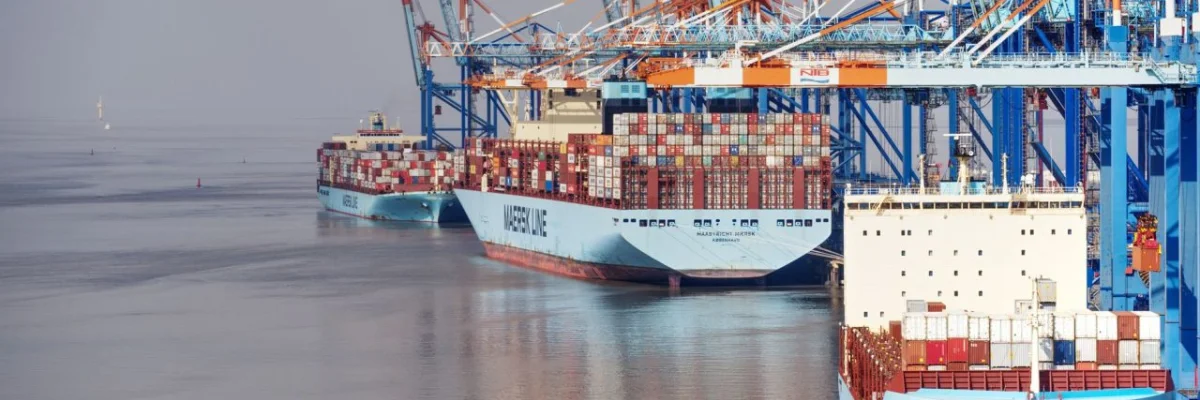
Ocean freight remains the backbone of global commerce, yet navigating its complexities requires more than just logistical experience. As markets become increasingly volatile, freight forwarders must transition from manual processes to agile, cloud-based workflows to maintain their competitive edge. The modern supply chain demands real-time visibility, automated documentation, and seamless communication between stakeholders across the globe. By leveraging advanced software solutions, companies can reduce operational friction and ensure that cargo moves efficiently from origin to destination. This guide explores the essential pillars of modernizing your ocean freight strategy while ensuring that your business scales effectively in this demanding economic landscape.
Optimizing Container Port Logistics
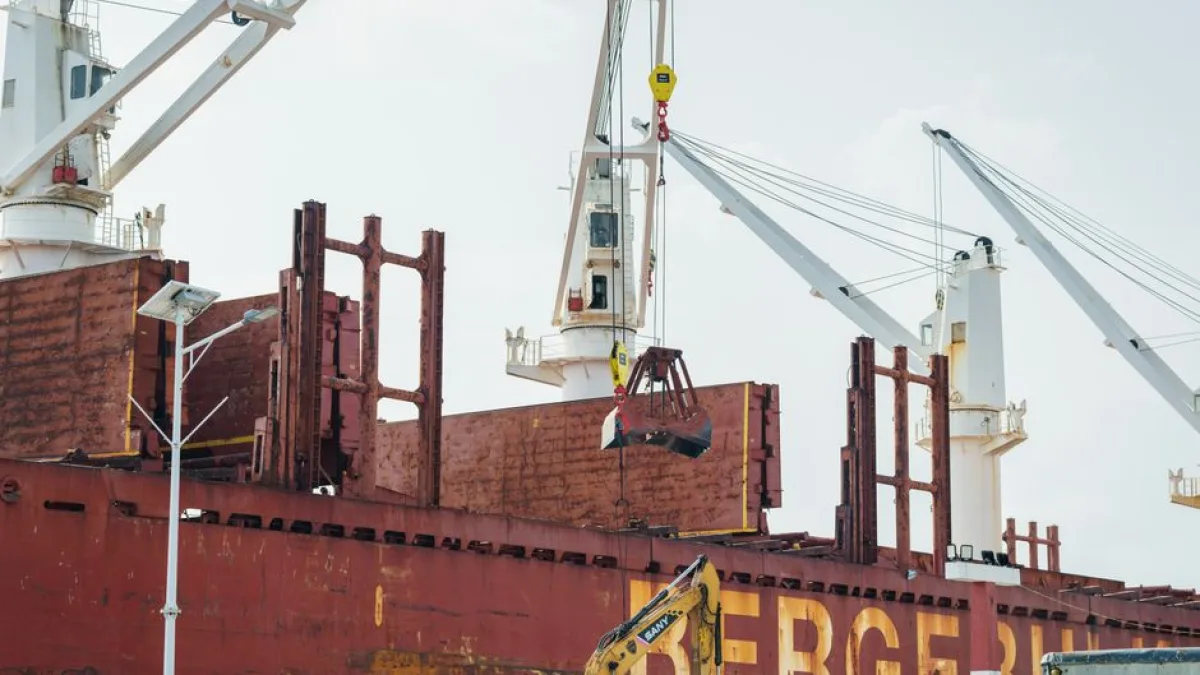
Port congestion and complex loading schedules create significant bottlenecks for forwarders who rely on outdated manual tracking. Implementing digital tools allows for precise planning, which helps teams proactively manage vessel departures and minimize expensive delays at busy international maritime terminals.
- Real-time vessel tracking: Integration with AIS data provides live updates on vessel locations, allowing forwarders to anticipate arrival times and manage stakeholder expectations regarding cargo availability and inland transit.
- Automated terminal updates: Digital platforms sync directly with port authorities to receive instant alerts about gate status, ensuring that drayage partners are dispatched only when containers are ready.
- Optimized load planning: Intelligent software algorithms assist in calculating the most efficient container configurations, reducing wasted space and lowering the overall cost per unit for your high-volume clients.
- Reduced manual data: Transitioning from manual spreadsheets to automated data entry eliminates human error, saving hours of administrative time while improving the accuracy of critical bill of lading documents.
By digitizing your port logistics, you gain a transparent view of every shipment in your pipeline. This level of oversight empowers your team to make data-driven decisions that save time and money. When you eliminate the guesswork associated with terminal operations, you improve service levels for your customers and strengthen your reputation as a reliable partner in the fast-paced global logistics industry.
Streamlining Documentation and Compliance

Paperwork remains a daunting challenge in the maritime industry, where a single incorrect form can halt shipments for weeks. Automating compliance workflows is essential for forwarders who want to avoid heavy fines and maintain a smooth customs clearance process worldwide.
- Automated document generation: Cloud software generates standardized bills of lading and commercial invoices instantly, ensuring consistency across every shipment while reducing the risk of clerical errors or rejections.
- Integrated compliance checks: Built-in systems scan documents against international trade regulations, flagging potential issues before they reach customs officials to ensure your cargo moves through borders seamlessly.
- Secure digital storage: Centralized cloud repositories ensure that all historical documents are easily searchable, compliant with record-keeping laws, and accessible to authorized personnel from any remote location.
- Electronic signatures enabled: Integrating e-signature capabilities into your workflow accelerates approval processes by removing the need for physical mailing, printing, or scanning documents during critical shipment phases.
Adopting digital documentation standards transforms how your agency handles the administrative burden of international trade. By shifting toward an electronic-first environment, your team reduces the risk of non-compliance and speeds up the entire billing cycle. Embracing these technological upgrades allows you to focus on high-value client relationships rather than getting buried under stacks of traditional paper files throughout the busy shipping season.
Enhancing Global Shipment Visibility

Customers today expect the same level of tracking in freight as they do with personal packages. Providing end-to-end visibility is no longer a luxury but a requirement for forwarders aiming to maintain client loyalty and reduce constant inquiry phone calls.
- Customer tracking portals: Offer your clients a self-service dashboard where they can view the current status of their ocean shipments, download invoices, and track milestone updates 24/7.
- Instant status notifications: Automated email or SMS alerts inform your clients of any significant changes, such as vessel delays or completed customs clearance, without requiring manual status updates.
- Multi-carrier data integration: Consolidate tracking data from various shipping lines into one single view, allowing you to manage diverse carrier relationships without switching between multiple external web portals.
- Enhanced exception management: Advanced analytics detect potential disruptions early, giving your team the power to offer alternative routing solutions before a minor delay escalates into a major crisis.
Transparency builds trust, and trust is the currency of the freight forwarding industry. When your clients have access to the information they need, the demand for support diminishes significantly. By providing a modern, digital interface for tracking, you position your firm as a forward-thinking leader in the logistics space, making it easier for customers to choose your services over traditional, opaque competitors.
Strategic Carrier Relationship Management
Building strong partnerships with ocean carriers is vital for securing competitive rates and reliable space allocation. A digital platform helps you analyze performance metrics to ensure you are always working with the best partners for your specific freight requirements.
- Carrier performance analytics: Use historical data to evaluate carrier reliability, transit times, and pricing trends, which allows you to negotiate better rates based on accurate performance reports and insights.
- Centralized rate management: Store and compare carrier rate cards within your platform to quickly identify the most cost-effective options for every unique route, shipment volume, and service level.
- Simplified booking workflows: Standardize your booking requests through a unified system that connects with carrier APIs, ensuring that your requests are processed faster than traditional email-based booking methods.
- Profitability per lane: Identify which trade routes provide the best margins for your business, enabling management to focus growth efforts on high-yield lanes while optimizing less profitable service areas.
Strategic management of your carrier network ensures that your business remains resilient even during periods of extreme market instability. By utilizing software to analyze data and simplify bookings, you maximize your operational efficiency and strengthen your bottom line. Investing in these digital relationships provides you with the leverage needed to negotiate successfully and deliver consistent value to your customers in the competitive ocean freight market.
Conclusion
Modernizing your ocean freight operations is essential for long-term growth in a digital-first global economy. By embracing automation, improving visibility, and optimizing carrier management, you set your agency apart from the competition. Our software platform helps you implement these changes quickly and effectively. Start your transformation today by streamlining your workflows and providing superior service to your loyal customers and partners.