Mastering Real-Time Freight Tracking for Modern Logistics
Sunday, July 26 2026
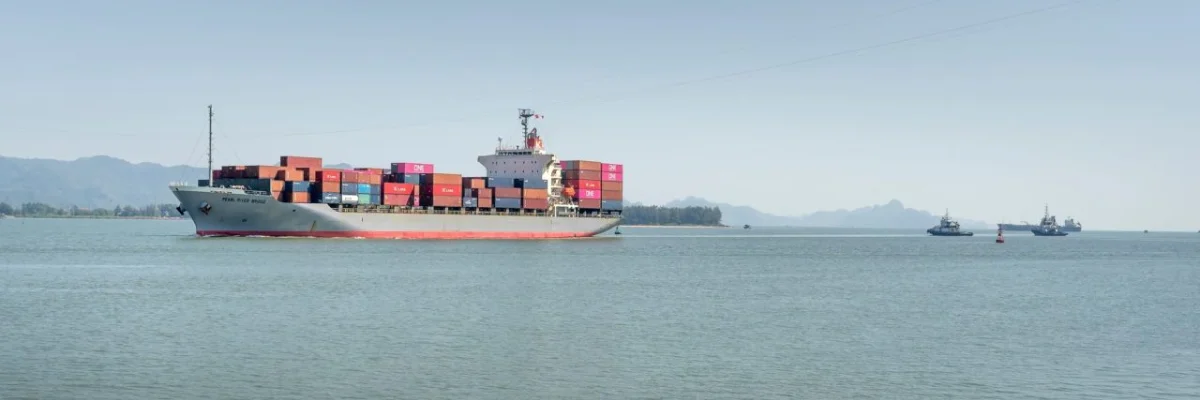
Modern logistics operations demand absolute transparency in the global supply chain, turning freight tracking from a luxury into a critical business necessity. As freight forwarders manage increasingly complex international routes, the ability to provide instant, accurate shipment visibility becomes the primary differentiator for client retention and operational efficiency. By leveraging advanced software platforms, forwarders can move beyond manual updates and spreadsheets to provide customers with the high-speed data they expect. Embracing digital transformation in tracking protocols ensures that bottlenecks are identified early, allowing for proactive problem-solving rather than reactive communication. Staying ahead in this competitive landscape requires adopting technology that turns shipment status into a strategic asset.
The Evolution of Visibility
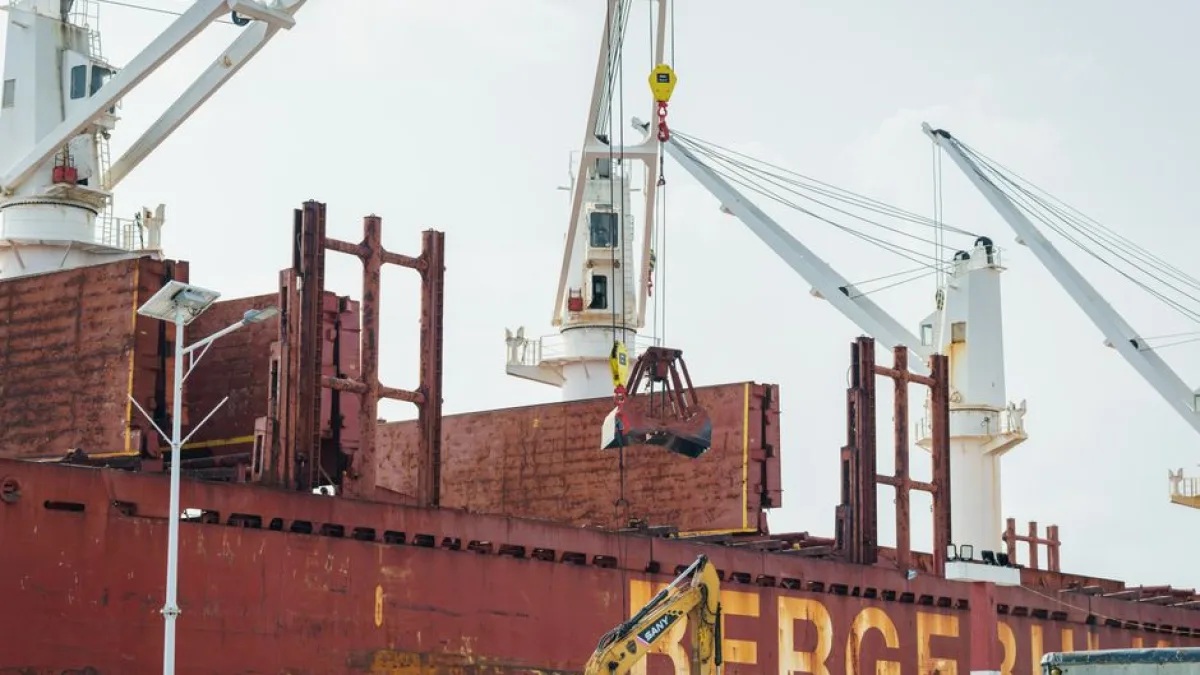
Visibility has moved from periodic email updates to instantaneous digital feeds. Freight forwarders must now integrate sophisticated tracking software to handle the vast amount of data generated by global shipping lanes while keeping their clients informed every step of the way.
- Automated status updates: Digital platforms trigger automatic notifications when cargo hits specific milestones, reducing the burden on your team to manually check carrier websites for the latest container location information.
- Centralized data dashboards: Consolidating shipment details into one single view allows staff to monitor multiple routes, ensuring that potential delays are spotted early and managed with precision and speed.
- Customer self-service portals: Providing your clients with direct access to tracking information empowers them to view their shipment status independently, which builds trust and improves overall communication efficiency today.
- API carrier integration: Connecting your logistics software directly to global shipping lines via API ensures that your data remains perfectly synchronized with the actual movement of physical freight assets.
Adopting these advanced tools allows forwarders to transition from manual oversight to automated management. By reducing the time spent on routine inquiries, your team can focus on complex logistics challenges that require human expertise. This shift increases capacity without the need for additional headcount, helping you scale your operations effectively while maintaining the high standards of service your customers rightfully expect from you.
Minimizing Disruption Risks
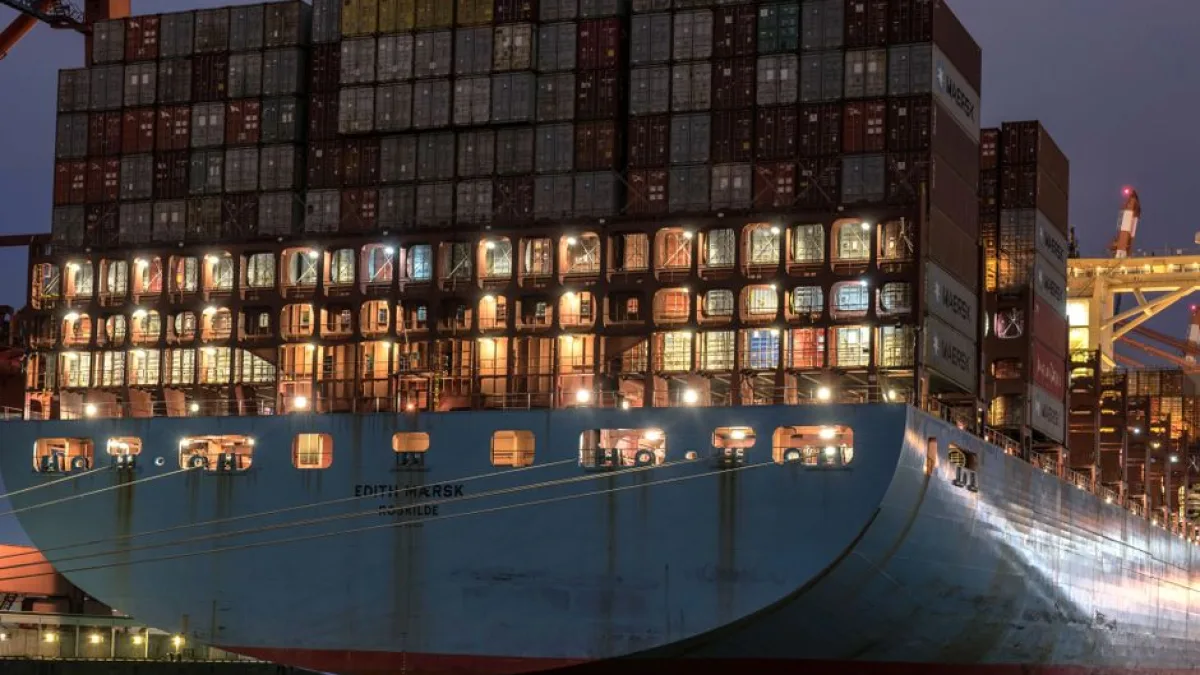
Proactive monitoring is the best defense against unexpected shipping disruptions. By tracking environmental factors and port congestion data, freight forwarders can reroute shipments or warn customers of delays, effectively minimizing the impact of unforeseen global logistics problems or interruptions.
- Predictive delay analytics: Modern software algorithms analyze historical patterns and current port activity to forecast potential delivery issues before they occur, allowing for better planning and risk mitigation strategies.
- Route optimization tools: Utilizing data-driven insights enables forwarders to select the most reliable paths for cargo, avoiding zones prone to congestion or weather-related interruptions in the global maritime supply.
- Real-time weather monitoring: Integrating meteorological data helps you anticipate disturbances that could affect transit times, giving you the lead time necessary to communicate transparently with every affected logistics client.
- Custom alert triggers: Configuring personalized notifications ensures that your operations team receives immediate warnings regarding specific shipments that require urgent attention, preventing small problems from escalating into major operational failures.
Managing risk is a fundamental responsibility of any successful freight forwarder in the current market. When you utilize data to anticipate potential hurdles, you demonstrate professional competence and deep industry knowledge to your clients. This proactive approach turns potential crises into manageable events, protecting your reputation while ensuring that goods continue to move efficiently through your complex international supply chain networks.
Enhancing Client Relationships
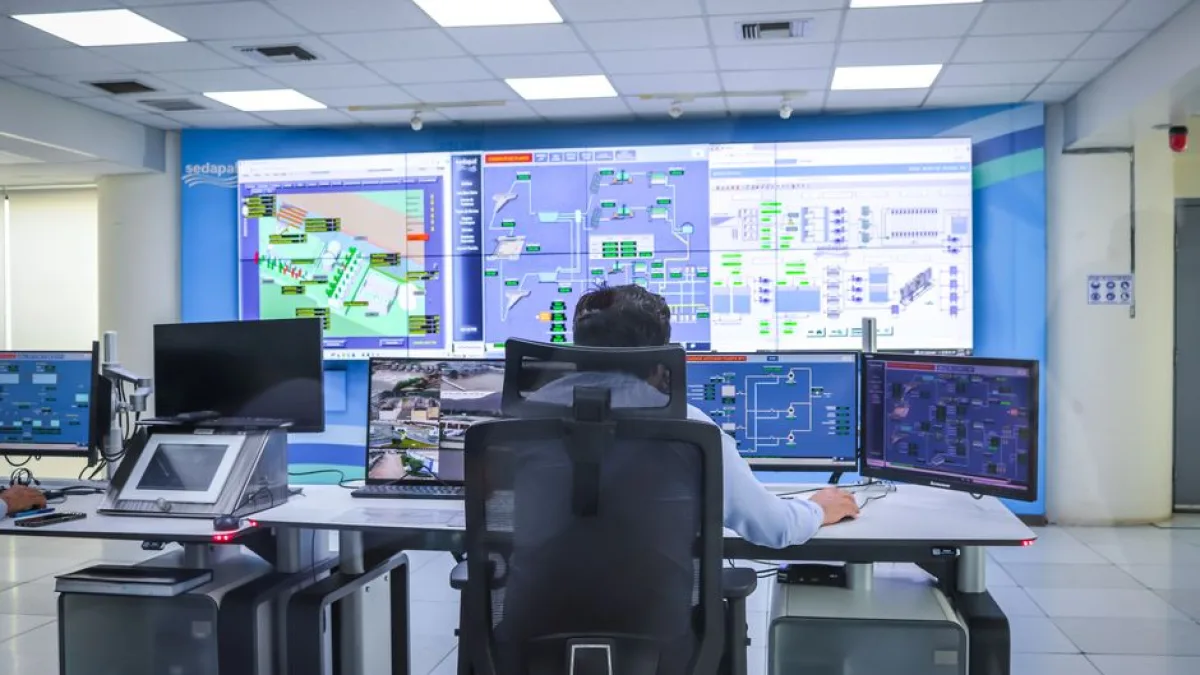
Transparency serves as the cornerstone of strong client relationships. When forwarders share precise, real-time tracking data, they reduce the anxiety associated with international trade and foster a sense of security that is essential for long-term business partnerships and growth.
- Transparent communication channels: Providing clear and consistent updates through a cloud-based platform eliminates ambiguity, fostering stronger professional trust between your forwarding company and your various international cargo shippers.
- Reduced inquiry volume: When clients can view their shipment status instantly, the volume of status-related phone calls and emails drops significantly, saving your team valuable time for high-value tasks.
- Improved service level: Consistent access to tracking information enhances the quality of service provided to clients, helping you stand out as a reliable partner in the crowded logistics industry.
- Data-backed reporting tools: Generating detailed performance reports for your clients shows them how your services improve their supply chain speed, justifying your value and securing long-term service contracts.
Superior client engagement relies on delivering consistent value through reliable information systems. By integrating tracking tools that keep your customers informed, you solidify your role as an indispensable logistics partner rather than a simple service provider. This deep integration into their daily workflow ensures that you remain their first choice for future freight needs, securing steady revenue streams and building brand loyalty.
Scaling Through Technology

Scalability requires a robust technological infrastructure. Cloud-based freight platforms allow forwarders to process more shipments with higher accuracy, as automated systems handle the repetitive tracking tasks that otherwise consume too much time and energy during periods of high growth.
- Automated documentation workflows: Linking your tracking data to digital documentation ensures that all necessary paperwork is processed and ready for customs, speeding up the entire cargo clearance process significantly.
- Scalable cloud infrastructure: Cloud platforms grow with your business, allowing you to add more users, branches, or shipment volumes without the need for complex internal server upgrades or maintenance.
- Team productivity gains: Automation takes the heavy lifting out of status updates, enabling your staff to manage a higher volume of shipments while focusing on growth and customer retention.
- Consistent data standards: Centralized digital platforms ensure that every team member uses the same information, eliminating errors caused by manual entry and creating a uniform experience for clients.
Investing in the right technology is the most effective way to prepare your freight forwarding business for future expansion. By streamlining tracking processes, you create the bandwidth required to acquire new customers and enter new markets. This operational agility is critical for surviving the fluctuations of global trade while maintaining profitability and high levels of performance across your entire organization today.
Conclusion
Optimizing your shipping and tracking protocols is essential for staying competitive in the logistics industry. By adopting cloud-based software solutions, you improve visibility, minimize risks, and strengthen key client relationships. These improvements pave the way for sustainable growth and operational excellence. Start your digital transformation journey today to ensure your freight forwarding business remains agile, efficient, and ready to meet global demand.